AI's Cloud Price Hike

Cloud AI costs are skyrocketing in 2026, driving a migration to local models, but beware of new forms of vendor lock-in.

4 min read
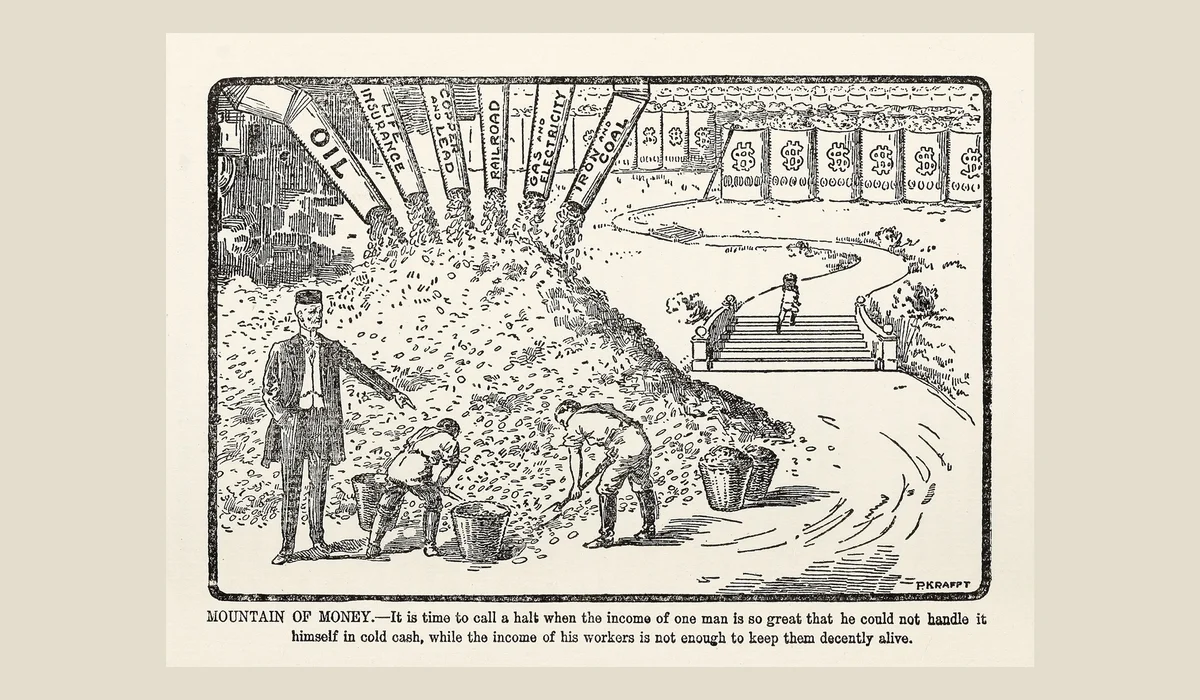
Illustration of a stack of money with a cloud symbol on top, representing high cloud AI costs.
The increasing expense of cloud AI services is forcing a rethink of deployment strategies.· Mozilla Blog
Visual TL;DR
Cloud AI Price HikeDriver
aggressive token-based billing and steep multipliers for premium models
Cost SurgeDriver
From the article 2 mentionsThe sudden surge in costs, with multipliers for models like Claude Opus jumping from 3x to 27x and Sonnet from 1x to 9x, turns routine AI tasks into major budget considerations.
Local AI GambitEffect
From the article 5 mentionsIn response, developers are increasingly turning to local AI models.
Ollama & LM StudioCore
tools facilitating local AI deployment on user hardware
From the article 3 mentionsTools like Ollama and LM Studio, while facilitating local AI deployment, carry their own compromises.
Privacy DriverDriver
initial primary driver for local AI adoption
From the articleThe primary driver was initially privacy, but escalating cloud AI pricing 2026 now makes it a critical budget necessity.
Illusion of ControlOutcome
local deployment carries its own compromises and vendor lock-in
From the articleThe choice between convenience and control is stark.
Seeking True SovereigntyContext
need for genuine control over AI infrastructure and data
Contents(3)

The era of cheap cloud AI has abruptly ended. As major providers prepare for IPOs, aggressive token-based billing and steep multipliers for premium models are becoming the norm in 2026. This shift is pushing development teams to reconsider their reliance on cloud-based solutions.

The sudden surge in costs, with multipliers for models like Claude Opus jumping from 3x to 27x and Sonnet from 1x to 9x, turns routine AI tasks into major budget considerations. Previously free tiers are also disappearing, making even casual use financially taxing.

The Local AI Gambit

In response, developers are increasingly turning to local AI models. The primary driver was initially privacy, but escalating cloud AI pricing 2026 now makes it a critical budget necessity. This move, however, isn't a simple escape.

The Illusion of Local Control

Tools like Ollama and LM Studio, while facilitating local AI deployment, carry their own compromises. LM Studio, though polished and efficient on Apple hardware, is closed-source, trading one vendor for another.

Ollama, despite its open-source core, operates as a system daemon pulling from a centralized registry. Its use of proprietary formats for model weights creates a form of lock-in, mirroring the cloud services many sought to escape.

These solutions often function as managed services disguised as user-friendly tools, potentially recreating vendor dependency.

Seeking True Sovereignty

The ideal for local AI, as championed by projects like Mozilla.ai's llamafile, is simplicity and absolute portability. A model should be a single, self-contained file, downloadable, transferable, and runnable without background services or complex installations.

This approach offers zero-install, zero-dependency AI, where the model file itself contains the weights, inference engine, and runtime. While potentially larger and less performant on specific hardware than optimized local stacks, it provides genuine ownership and vendor-free operation.

The choice between convenience and control is stark.

As Anushri Gupta notes, the dramatic increases in cloud AI costs are a wake-up call.

For teams prioritizing resilience and cost-effectiveness, the focus must be on building local AI pipelines that offer true portability and ownership, ensuring AI is as fundamental and controllable as a text document.

© 2026 StartupHub.ai. All rights reserved. Do not enter, scrape, copy, reproduce, or republish this article in whole or in part. Use as input to AI training, fine-tuning, retrieval-augmented generation, or any machine-learning system is prohibited without written license. Substantially-similar derivative works will be pursued to the fullest extent of applicable copyright, database, and computer-misuse laws. See our terms.

