
Investors News

AI Brings Back the Worm Era, Lackey Warns

Zane Lackey says AI offense revived 1990s zero days and worms, forcing faster patching and new hardened controls.

StartupHub.ai Staff

By StartupHub.ai Staff, reviewed by Daniel Singer, Editor

3 min read

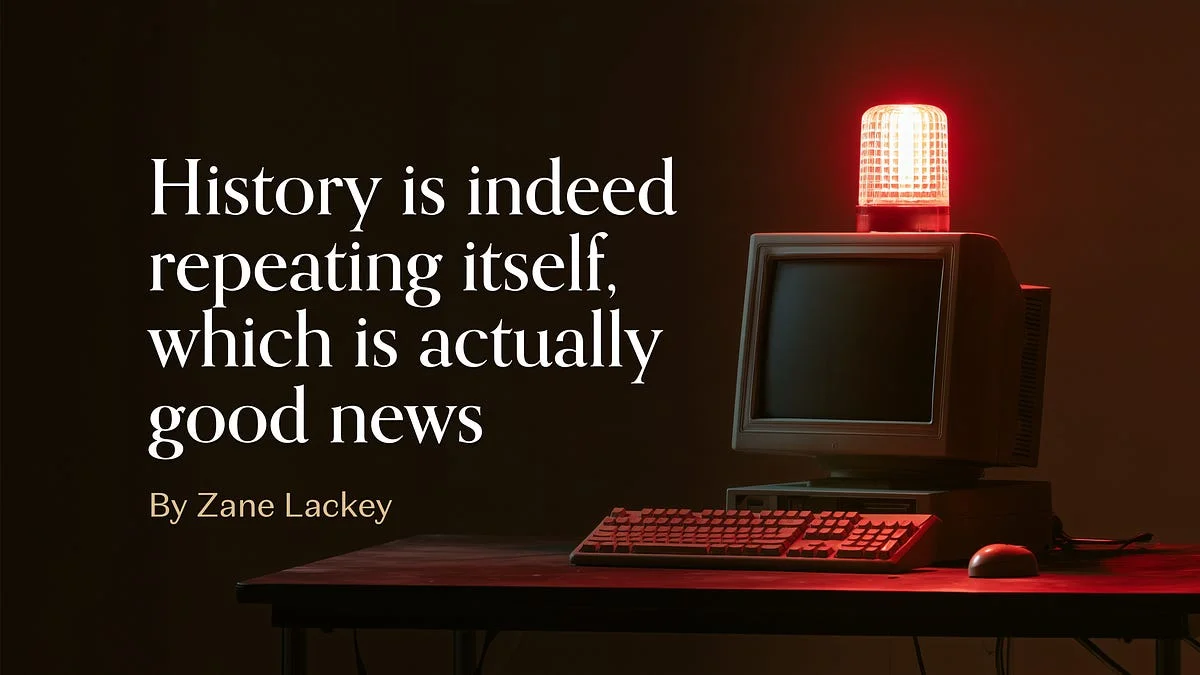
Server racks under red alert light suggesting worm spread
Credit: a16z Blog
Visual TL;DR
AI Offense AcceleratesDriver
opus 4.5 and 4.6 reset economics of offense to machine speed
From the article 3 mentionsZane Lackey, writing for a16z, argued that Opus 4.5 and 4.6 reset the economics of offense and revived the late 1990s pattern of emergency zero days.
Patching Lags BehindDriver
offense runs at machine speed while patch windows lag behind
Worm Era ReturnsOutcome
self propagating internet worms predicted to return at scale soon
From the articleLackey predicted self-propagating Internet worms will return because AI collapses discovery and exploit time while patch windows lag.
API Keys TargetedEffect
From the articleHe said the new worms will steal API keys for inference, which he described as displacing crypto mining, plus ransomware.
Overlapping Controls NeededOutcome
fully working controls still bypassed requiring overlapping hardened tuning daily
From the articleHe added that fully working controls will still get bypassed by zero days and speed, so teams must tune overlapping detection for response at AI speed.
Opus CatalystCore
a16z author zane lackey cites opus models as offense catalyst
From the articleZane Lackey, writing for a16z, argued that Opus 4.5 and 4.6 reset the economics of offense and revived the late 1990s pattern of emergency zero days.
AI Offense AcceleratesDriver
opus 4.5 and 4.6 reset economics of offense to machine speed
From the article 3 mentionsZane Lackey, writing for a16z, argued that Opus 4.5 and 4.6 reset the economics of offense and revived the late 1990s pattern of emergency zero days.
Patching Lags BehindDriver
offense runs at machine speed while patch windows lag behind
1990s Zero DaysContext
seven l0pht hackers warned senate in may 1998 plus 2002 apache flaws
From the article 2 mentionsZane Lackey, writing for a16z, argued that Opus 4.5 and 4.6 reset the economics of offense and revived the late 1990s pattern of emergency zero days.
Slammer Sasser HistoryContext
sqlslammer and sasser spread via remote flaws knocking networks offline
Worm Era ReturnsOutcome
self propagating internet worms predicted to return at scale soon
From the articleLackey predicted self-propagating Internet worms will return because AI collapses discovery and exploit time while patch windows lag.
API Keys TargetedEffect
From the articleHe said the new worms will steal API keys for inference, which he described as displacing crypto mining, plus ransomware.
Overlapping Controls NeededOutcome
fully working controls still bypassed requiring overlapping hardened tuning daily
From the articleHe added that fully working controls will still get bypassed by zero days and speed, so teams must tune overlapping detection for response at AI speed.


Zane Lackey, writing for a16z, argued that Opus 4.5 and 4.6 reset the economics of offense and revived the late 1990s pattern of emergency zero days. He pointed to May 1998, when seven L0pht hackers told the Senate they could take down the Internet in 30 minutes, and to 2002, when remote flaws hit Apache, OpenSSH, OpenSSL and BIND. He said security teams now spend most of 2026 clearing calendars the way they did then.

His thesis is simple: offense now runs at machine speed and patching does not.

Lackey predicted self-propagating Internet worms will return because AI collapses discovery and exploit time while patch windows lag. He recalled SQLSlammer and Sasser, which spread through remote flaws and at times knocked networks offline with scan traffic. He said the new worms will steal API keys for inference, which he described as displacing crypto mining, plus ransomware. He added that fully working controls will still get bypassed by zero days and speed, so teams must tune overlapping detection for response at AI speed.

Joel de la Garza, credited as collaborator on the essay, helped frame the prescription for defenders. Lackey urged continuous no-scope red teaming with current attacker tooling, including specialized post-trained models sold by Hinoki Security, plus aggressive internal testing for initial footholds. He pointed to startups building hardened replacements, naming Neo for endpoint, Keycard for agent identity and Socket for open source supply chain, and he recalled OpenBSD as the earlier model. He conceded that prior hardened components struggled commercially.

That bet on new identity sits uneasily beside what incumbents claim they already ship. Okta says its MCP Server lets agents including Claude, GitHub Copilot and Cursor query and automate an Okta org with natural language. Okta for AI Agents is described as working with CrowdStrike Falcon to find untrusted agents on endpoints and tie them to workforce identities for governance. Lackey described Keycard as the new Okta for agents, while Okta described extending its own platform to govern those agents. Both cannot be the default control.

Lackey also revived the Windows XP problem, citing the SANS guide Surviving the First Day, when a fresh machine was compromised before updates finished. He said enterprises resisted auto updates over breakage risk and unmaintained software, but AI offense will force patching orders of magnitude faster. How short must that window get before auto updates break less than the worms do?

Mentioned in this story

Sources

Get the free daily brief every morning

Every morning the day's AI news, new AI startups and new funding rounds. Free and takes a few minutes to read, unsubscribe at any time.

Join 64,000 other subscribers.

TopicsZane LackeyJoel de la GarzaOpus 4.6L0phtHinoki SecurityNeoKeycardSocket

StartupHub.ai StaffDaniel SingerWritten by StartupHub.ai Staff, Editorial teamReviewed by Daniel Singer, EditorAbout

StartupHub.ai Staff, Editorial team

The staff writers of StartupHub.ai, ranging from investment analysts to avid AI tool users, early adopters and critical enthusiasts. Backgrounds span engineering, business and the arts. We hold every piece to rigorous standards of research and review.

Daniel Singer, Editor

Daniel Singer is an AI expert who has been writing about, covering and building AI technology since 2018.

More from Daniel Singer

Test your Agent Readiness now

Paste your website. How well ChatGPT, Claude and the other agents can read and use a site, in about a minute.

Watch

The videos behind the news, one flip at a time

The feed mixes the videos from our articles with startup demos and you flip through them like TV channels for free with no signup.

