The problem with social media for SaaS teams isn't the posting itself. It's the stop-start cycle that kills consistency: a founder or marketer cranks out five posts, feels the spike of engagement, gets pulled back into product, and falls silent for three weeks. The audience notices. The algorithm certainly does.
What actually works is systems thinking applied to content. Not scheduling tools in the calendar-manager sense, but the full pipeline from ideation through creation, scheduling, engagement monitoring, and iteration. The tools that survive budget reviews at SaaS companies are those that reduce the activation energy for each step, not the ones with the most features or the longest enterprise pitch decks.
This list covers that full stack. Established platforms that handle multi-channel scheduling at scale sit alongside newer tools built specifically for video-first social, influencer discovery, comment intelligence, and content repurposing. Some belong in the hands of a solo founder publishing three times a week; others are built for teams coordinating campaigns across eight markets. All of them address the same core problem: making quality output repeatable when shipping and support are competing for the same calendar hours. The selection spans scheduling and automation, analytics and listening, creation and repurposing. Together, they represent what serious SaaS social stacks look like in 2026.



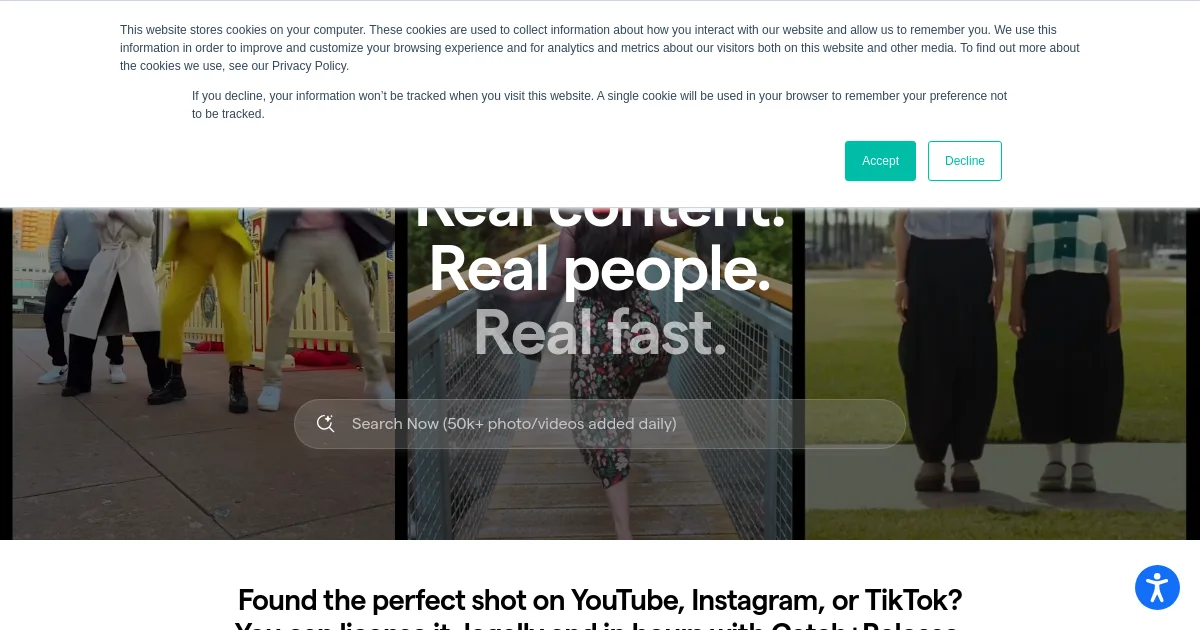

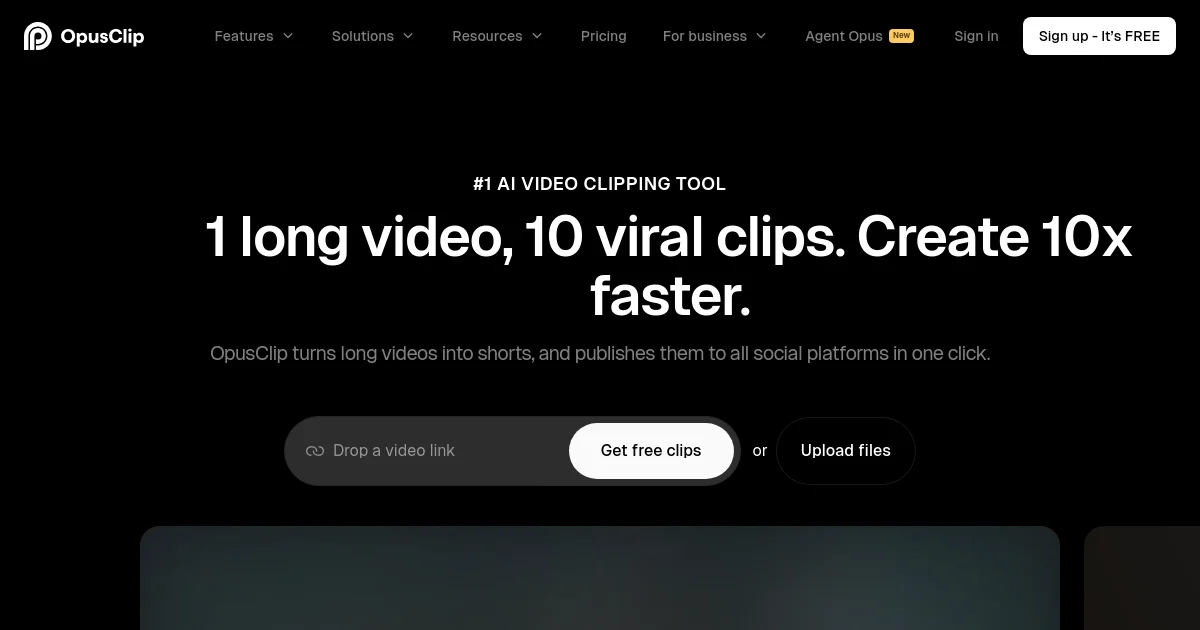

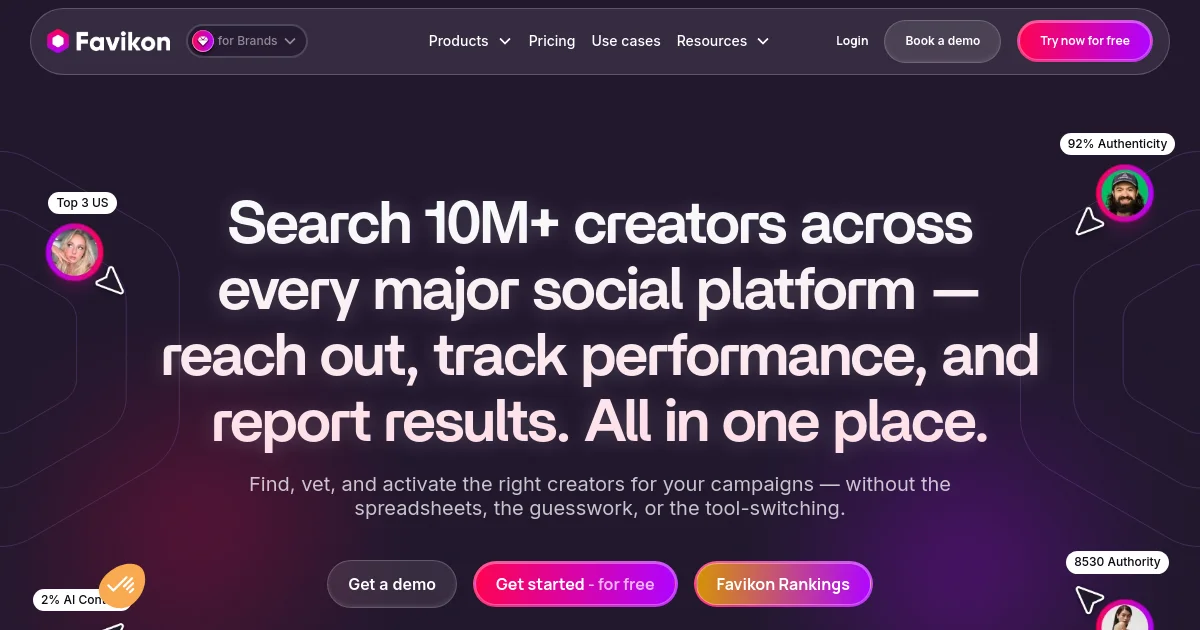














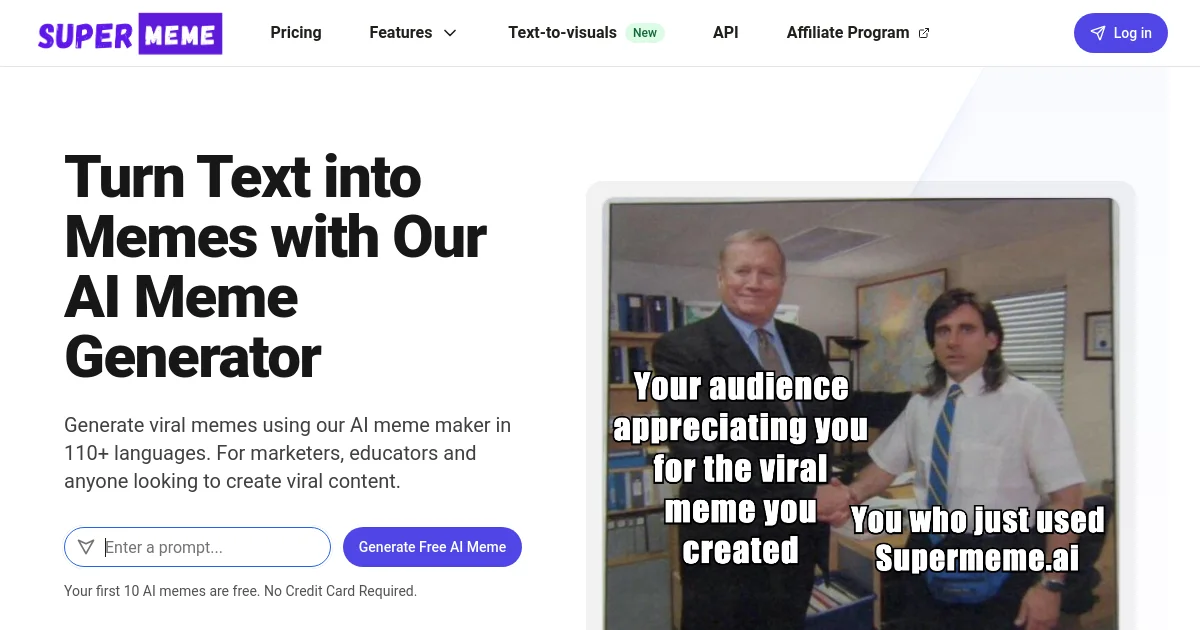



Looking at this list as a whole, the social media tool market for SaaS teams is not converging on a single dominant platform. It's fragmenting into distinct layers: scheduling, intelligence, content creation, and engagement automation. The established multi-channel schedulers have widened their moats through analytics and team workflows, while a generation of newer tools is attacking the content creation bottleneck from multiple angles. Video repurposing, meme generation, and automated caption writing are now separate product categories, each with meaningful depth behind it.
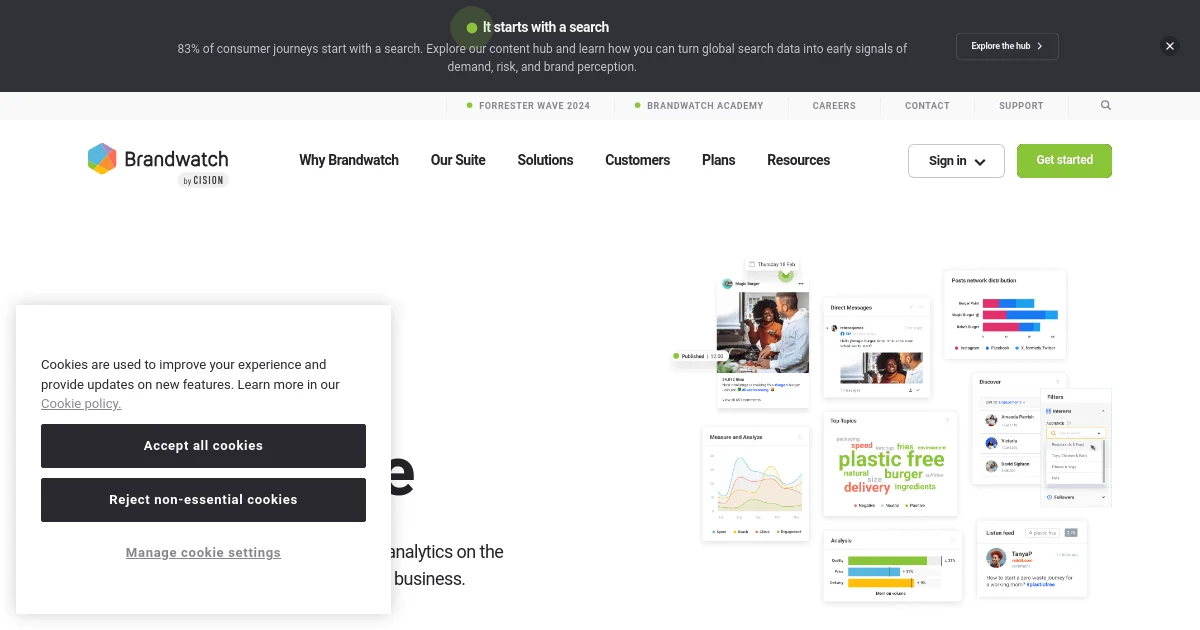
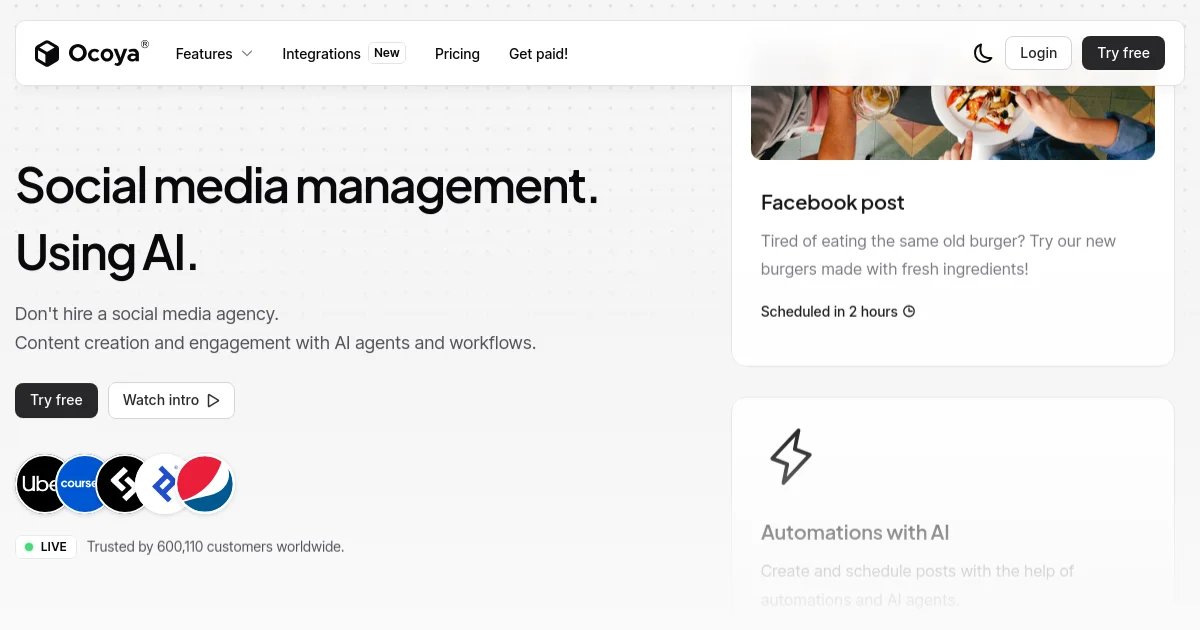
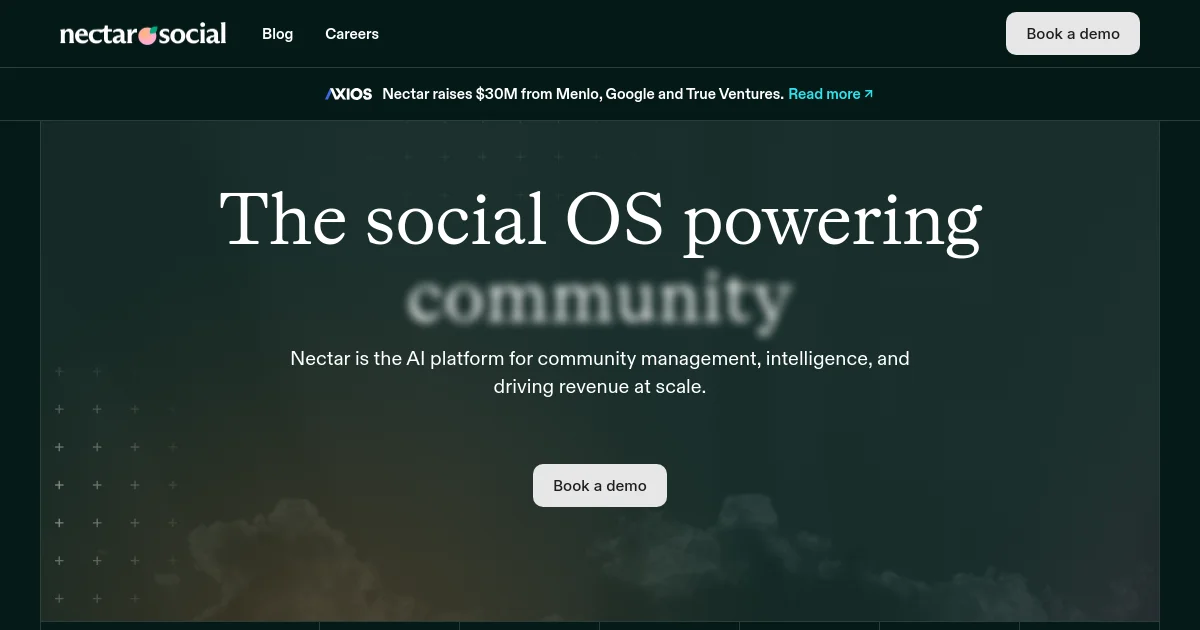
The underserved segment is mid-market SaaS: companies big enough to need team workflows but too small to justify enterprise contracts. Tools in the 15 to 50 employee range often still stitch together four or five products to cover what Sprout Social or Hootsuite charges enterprise rates for. Several platforms on this list, including Ocoya, Sendible, and Nectar Social, are specifically targeting that gap. The next version of the stack collapses the distance between the listening layer and the publishing layer. Right now, teams learn from Brandwatch or Mention what content is resonating, then manually adjust their scheduling queue. The pressure is toward an autonomous cycle where performance data feeds back into scheduling decisions without a human in the middle, which would make consistency less of a discipline problem and more of an infrastructure problem.
Frequently Asked Questions
What is the best social media tool for a small SaaS team in 2026?
For teams under 10 people, Buffer and Ocoya offer the best combination of scheduling and content creation at a price point that makes sense before product-market fit is established. Both support multiple channels and include analytics without the complexity or cost of enterprise platforms like Sprout Social or Hootsuite. Ocoya edges ahead for teams that want AI caption and image generation built in rather than bolted on from a separate tool.
How often should a SaaS startup post on social media?
Three to five times per week on one primary channel consistently outperforms daily posting spread across five channels. Most SaaS teams lack the content infrastructure to sustain high-frequency multi-channel output, so concentration wins. LinkedIn works best for B2B SaaS; X (Twitter) still drives developer and technical founder audiences; short-form video on TikTok or Reels reaches buyers who never read product blogs. Pick the channel where your buyers already spend time and build a sustainable cadence there before expanding.
What should a SaaS company track to measure social media ROI?
Engagement rate per post, follower growth rate, and inbound link traffic from social are the three metrics most directly connected to awareness outcomes. For SaaS specifically, tracking free trial signups attributed to social (via UTM parameters) and monitoring brand mention volume relative to competitors gives a clearer picture than vanity metrics like total impressions. Tools like Mention, Brandwatch, and ShieldAnalytics make this kind of measurement manageable without a dedicated analytics team.