The 20 Best AI Agent Workflow Tools Worth Using in 2026

The shift from single-prompt AI to multi-step agent workflows is reshaping how teams delegate work. Here are the 20 tools actually worth using in 2026, ranked by platform maturity and agent readiness.

9 min read

The category of AI agent workflow tools covers a deceptively wide range. At one end sit developer frameworks that require Python or TypeScript and a working knowledge of token budgets. At the other sit no-code platforms where a sales manager can deploy an agent in an afternoon. Buyers shopping for either often end up confused, because every product in this space describes itself as an agentic platform and the vocabulary is still stabilizing.

The practical distinction that matters most is the handoff. Single-prompt tools return an answer. Agent workflows return a result: a completed task, a drafted contract, a triaged inbox, a deployed function. The difference is whether the system can chain decisions and tool calls without requiring a human to approve each step. That capability, more than any model improvement, is reshaping how operations teams, developers, and knowledge workers think about delegation in 2026.

This list spans the 20 tools that are actually moving the needle. The selection cuts across enterprise workflow intelligence (Celonis, Moveworks), developer frameworks (Mastra, Dify, CrewAI), visual builders (Make, n8n, FlowiseAI), and vertical specialists (Hebbia for knowledge work, Vapi for voice, Outlit for deal-making). The overall score reflects platform breadth and maturity. The agent readiness grade reflects specifically how well each tool handles agentic, multi-step execution rather than single-turn interactions.

Celonis website homepage screenshot
Celonis logo
85
DAR
#1

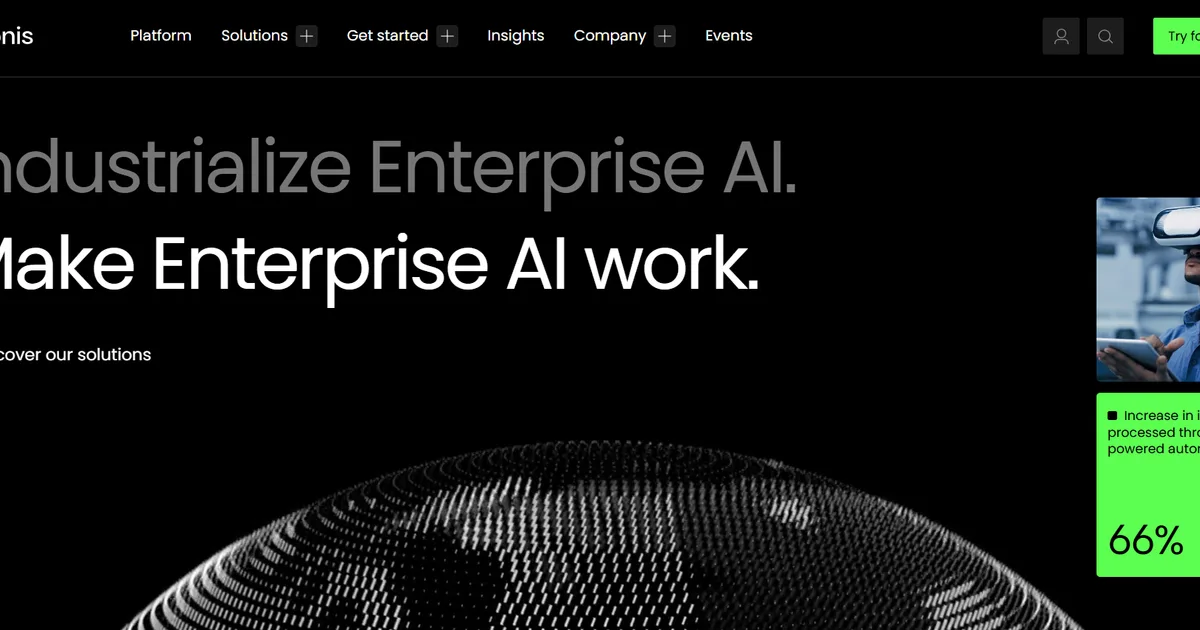
Celonis

Process mining meets agentic execution, turning operational data into workflows that fix themselves.

Celonis builds a digital twin of business operations using process mining, giving agents the operational context they need to execute reliably across enterprise systems rather than guessing at process state.

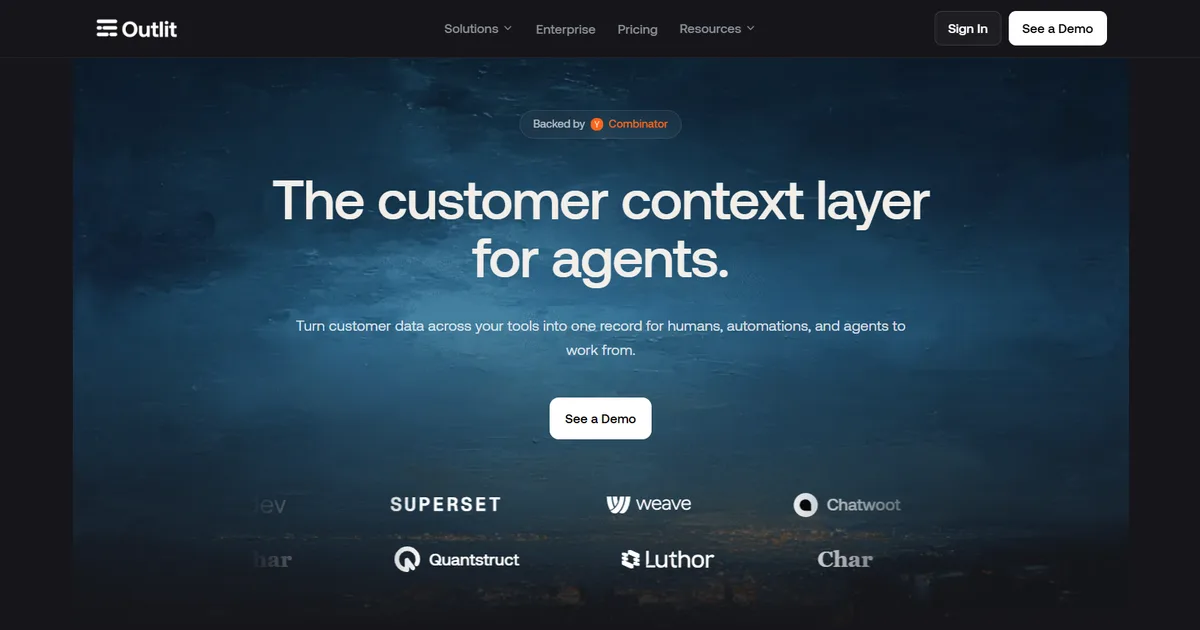
Outlit website homepage screenshot
Outlit logo
85
DAR
#2

Outlit

End-to-end deal workflows, from quote generation to signed contract, handled by agents trained on past deals.

Outlit captures every sales conversation, Slack message, and past deal, then deploys AI agents to generate quotes and deal terms, solving the gap between sales data capture and deal execution speed.

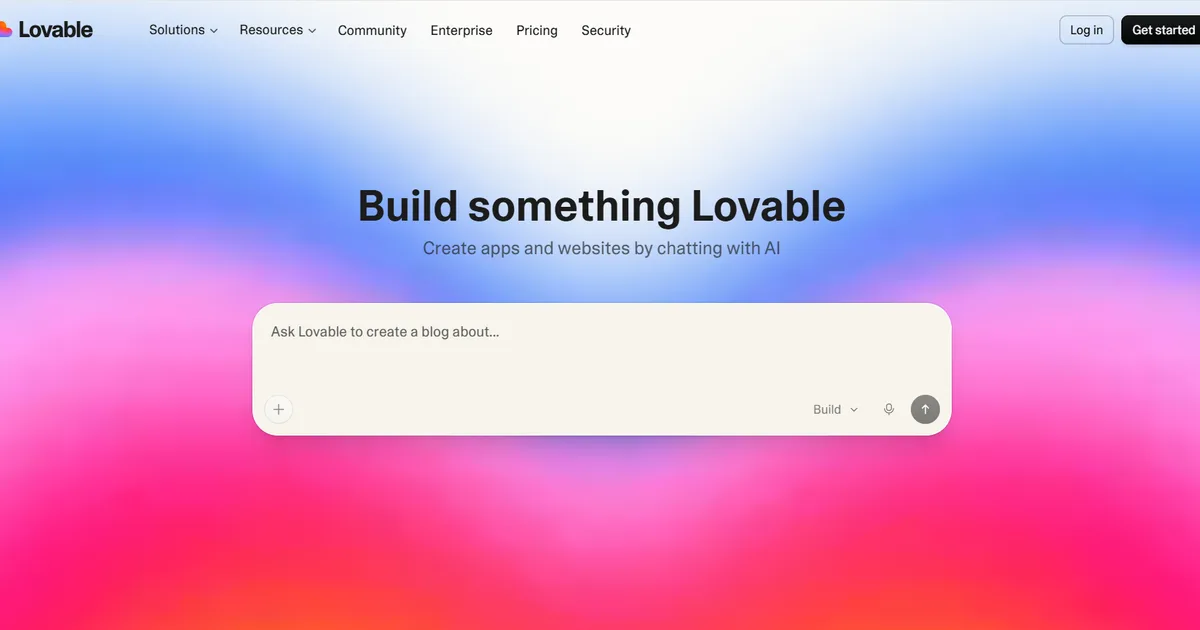
Lovable website homepage screenshot
Lovable logo
81
DAR
#3

Lovable

Full-stack app creation through natural-language conversation, with no code required to ship anything.

Lovable turns conversational inputs into working web apps, making it one of the fastest ways to prototype and deploy a tool-driven workflow without a developer on the critical path.

Airtable website homepage screenshot
Airtable logo
81
FAR

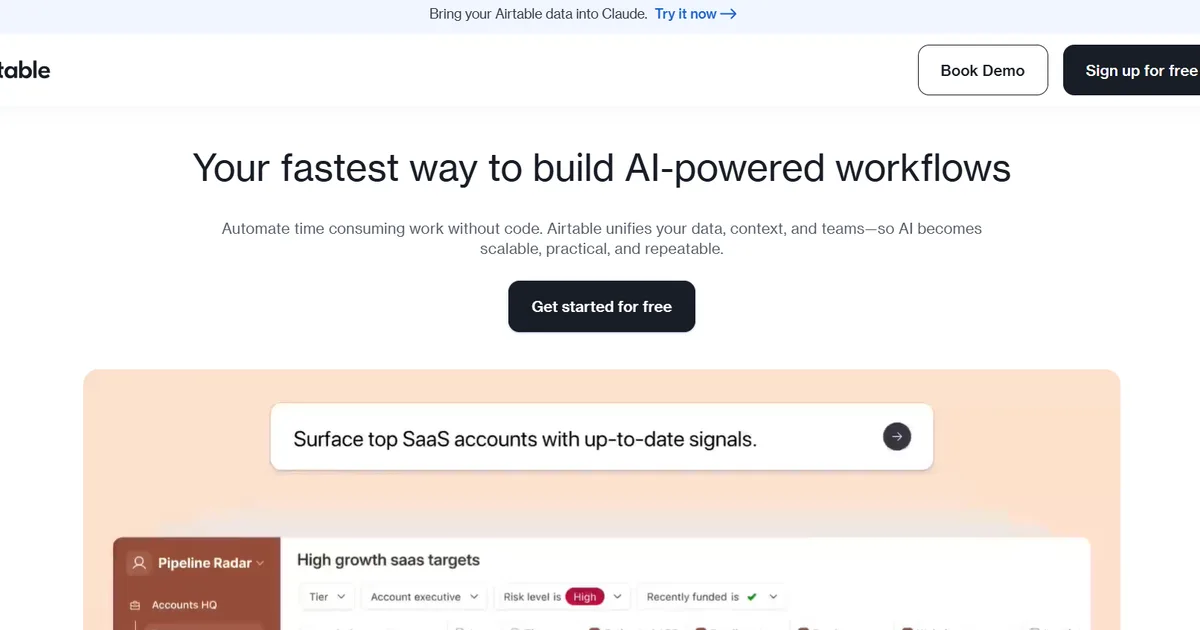
Enterprise-grade workflows and apps built without engineering resources, backed by a relational data model.

Airtable's app-building platform integrates relational databases, automations, and agent capabilities in one place, letting operations teams build production workflows without waiting on a developer's sprint cycle.

Manus AI website homepage screenshot
Manus AI logo
79
DAR

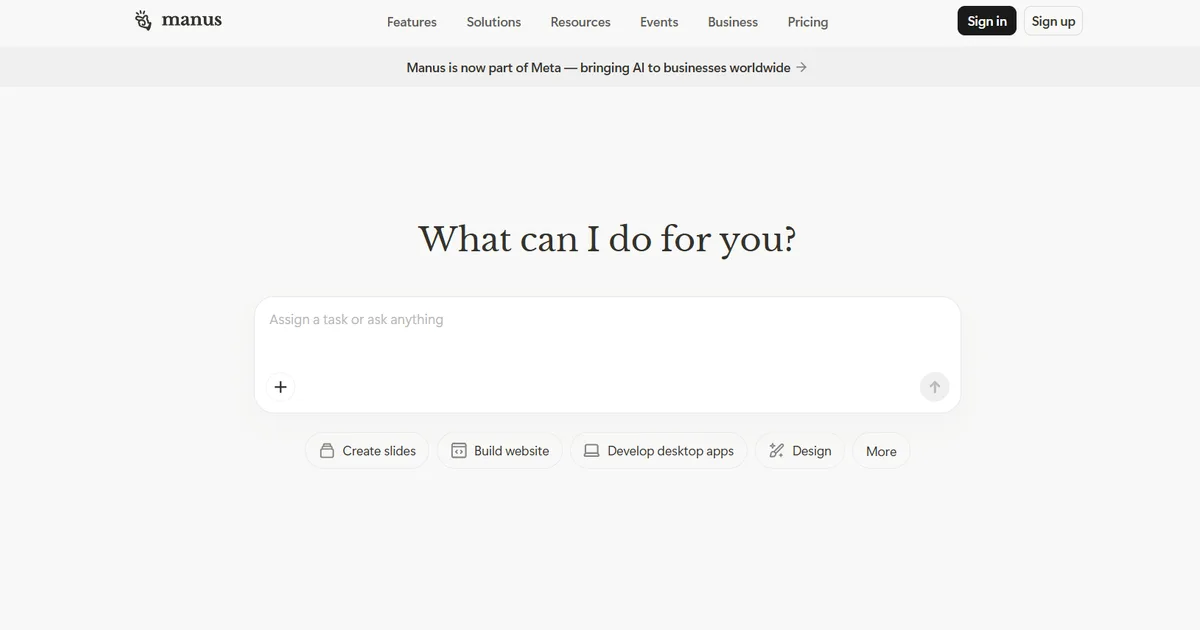
A general-purpose agent that turns your thoughts into actions across files, browsers, and external tools.

Manus automates end-to-end workflows across work and personal tasks, operating autonomously so users can delegate complex multi-step sequences rather than issuing single-prompt lookups and reassembling the outputs manually.

Moveworks website homepage screenshot
Moveworks logo
78
DAR

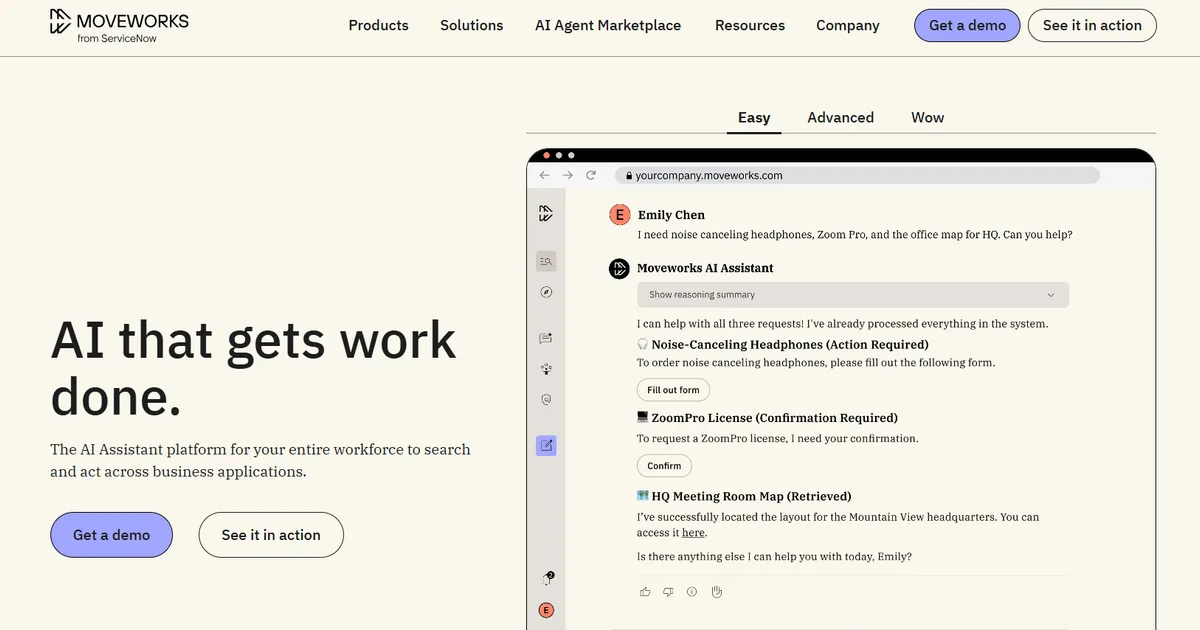
A single natural-language interface connecting every enterprise system your employees already use daily.

Related startups

Moveworks unifies fragmented enterprise tools with an agentic assistant, letting employees trigger workflows across IT, HR, and support systems through natural language without switching applications.

Hebbia website homepage screenshot
Hebbia logo
78
FAR
#7

Hebbia

Document analysis at machine scale, with agents built for the accuracy standards of finance and law.

Hebbia uses agents to break down complex analytical tasks across millions of documents, purpose-built for the audit trails and precision standards that professional services firms demand in production workflows.

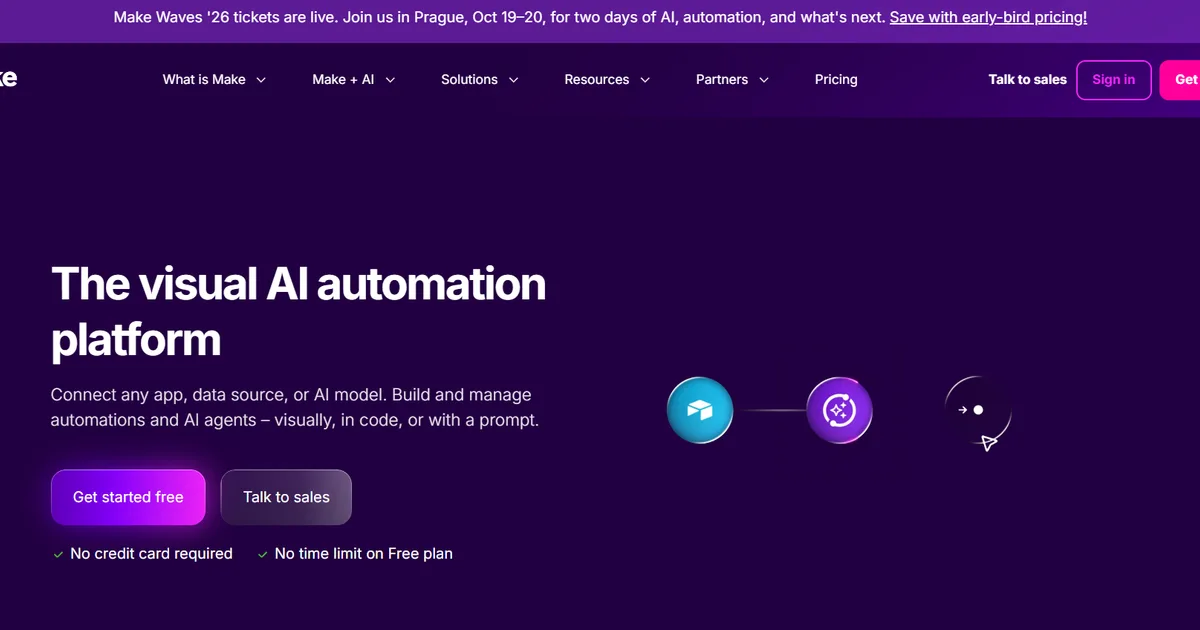
Make website homepage screenshot
Make logo
75
DAR
#8

Make

A visual workflow builder connecting 2,000-plus apps, with AI modules you can inject at any branch.

Make's scenario-based model lets teams wire together complex multi-step automations visually, with native support for AI modules that add reasoning to any point in the workflow without rewriting the surrounding logic.

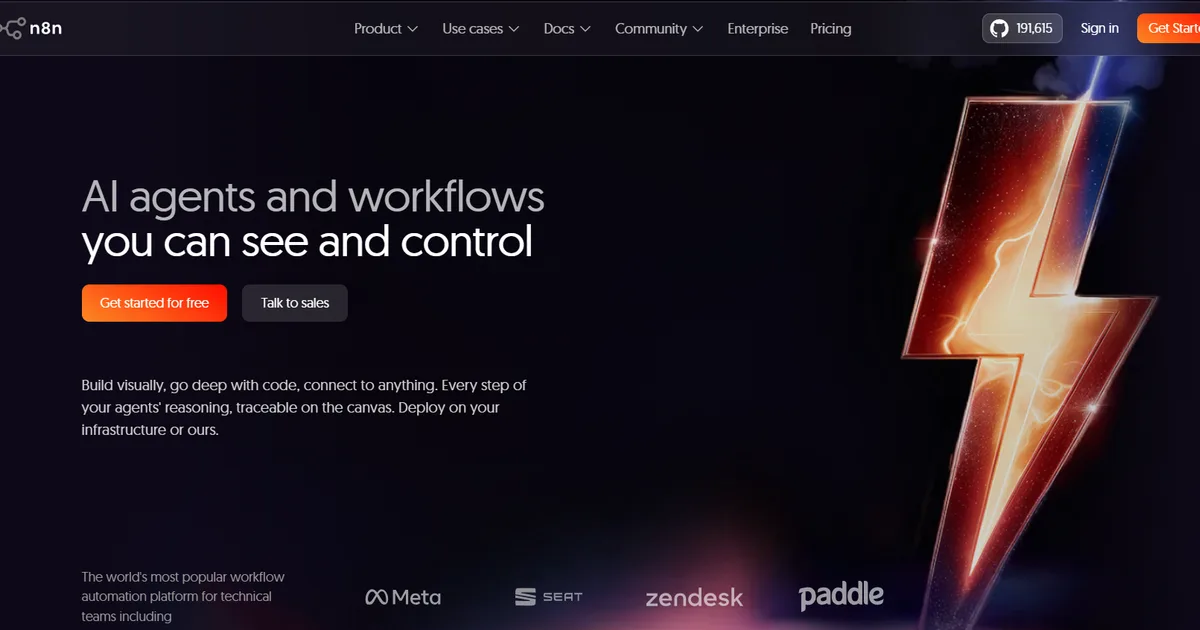
n8n.io website homepage screenshot
n8n.io logo
75
FAR
#9

n8n.io

Open-source workflow automation that engineers can self-host, extend with code, and run on their own data.

n8n's open architecture lets developers keep sensitive data in-house while building complex automations, with full source access for custom integrations that no managed SaaS tool would expose.

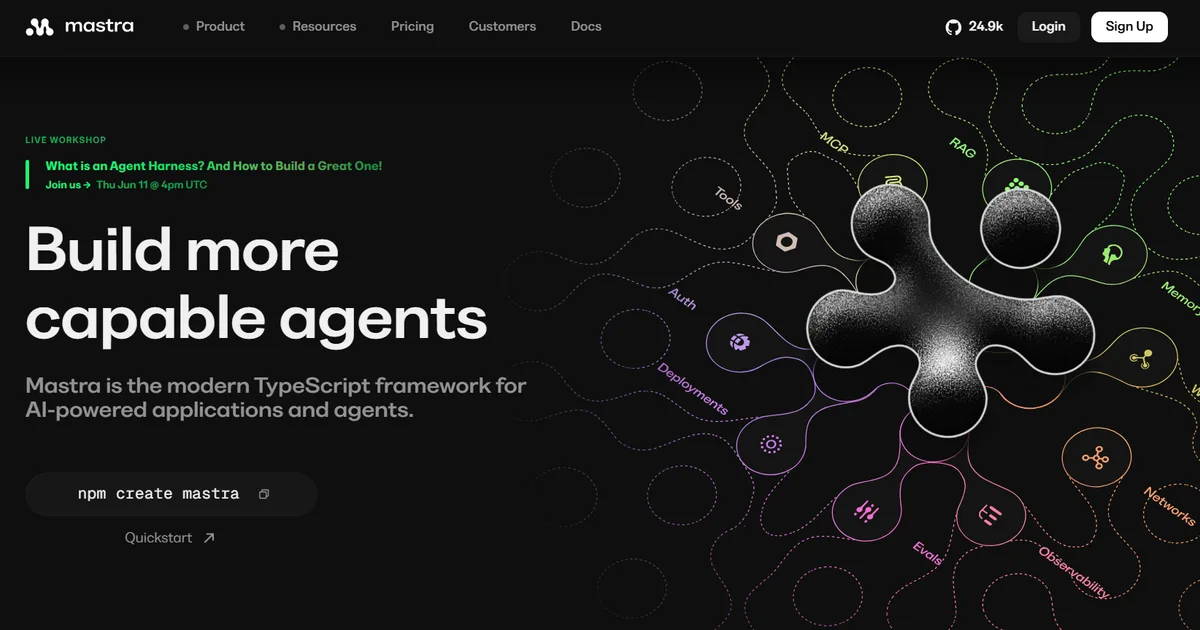
Mastra website homepage screenshot
Mastra logo
72
DAR
#10

Mastra

A TypeScript-native agent framework built by the Gatsby creators, with memory and orchestration included.

Mastra gives JavaScript developers a structured set of primitives for building agents, including memory, tool calling, and workflow orchestration, without leaving the TypeScript ecosystem or adopting a new mental model.

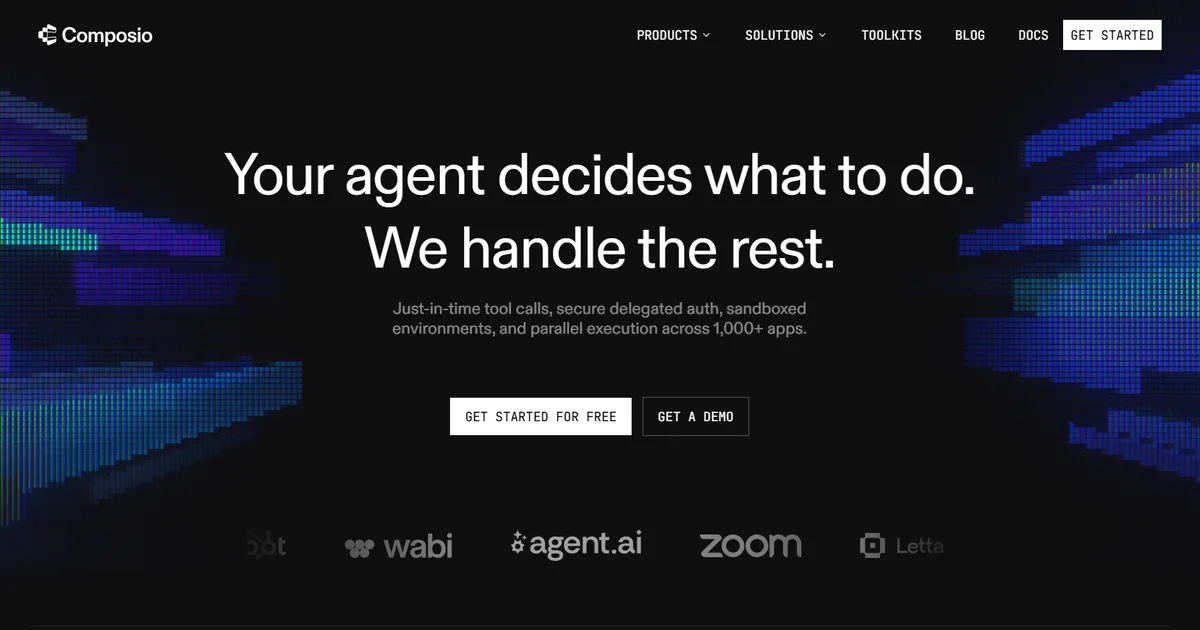
Composio website homepage screenshot
Composio logo
62
DAR
#11

Composio

The tool connectivity layer that makes agents actually complete tasks rather than stall on API failures.

Composio provides the reliability layer between AI agents and the 3,000-plus APIs they need to call, handling authentication, error recovery, and schema alignment so agents finish tasks rather than returning partial results.

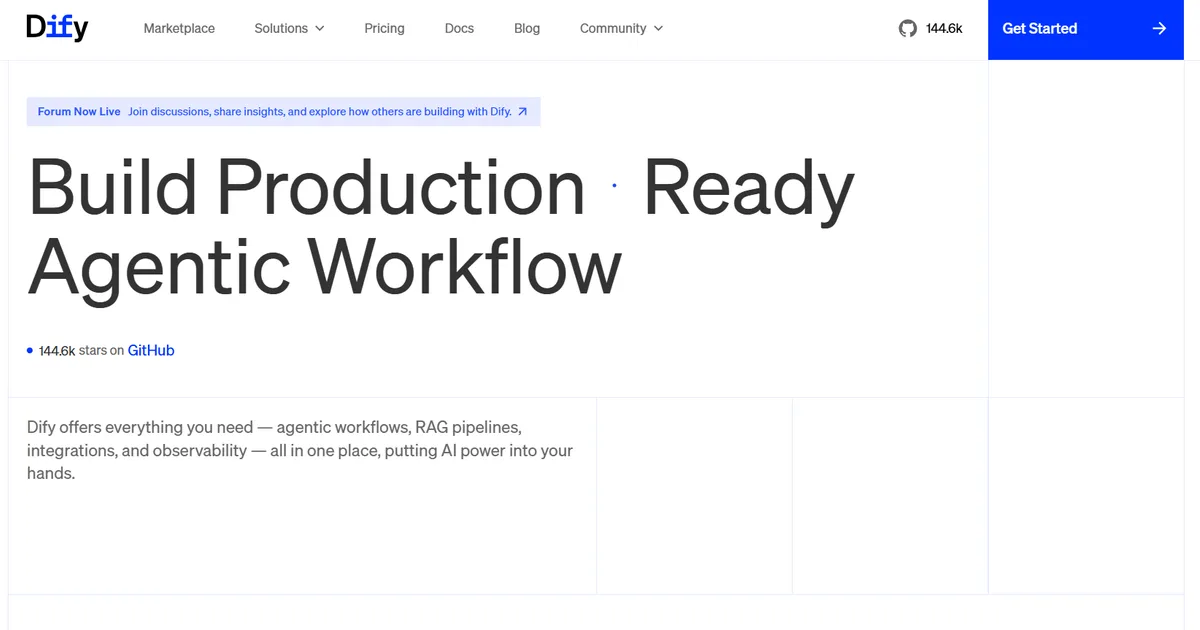
Dify website homepage screenshot
Dify logo
62
DAR
#12

Dify

From RAG pipeline to deployed agent in one platform, covering the full stack with a visual interface.

Dify combines model operations and backend-as-a-service concepts, letting teams ship production agents with knowledge retrieval built in, without managing separate infrastructure for orchestration, storage, and model routing.

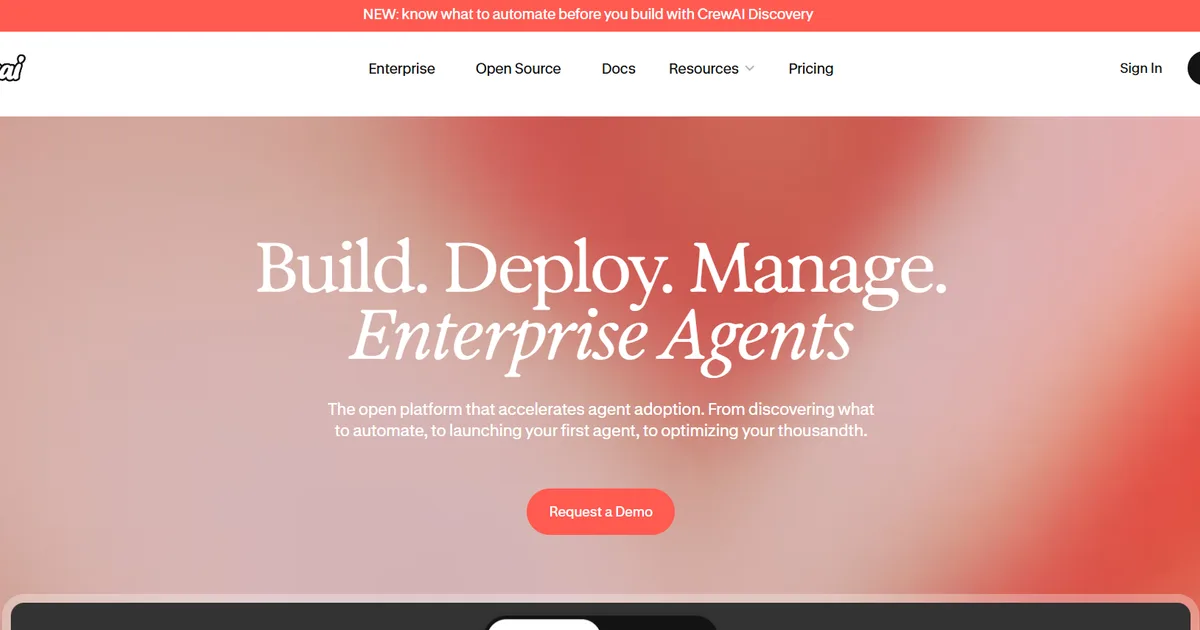
CrewAI website homepage screenshot
CrewAI logo
62
FAR
#13

CrewAI

Multi-agent orchestration where specialist agents coordinate through structured task sequences on complex problems.

CrewAI's role-based framework lets developers define agents with specific goals and tools, then coordinate them through task sequences, which is the architecture most production multi-agent systems converge on after early prototyping.

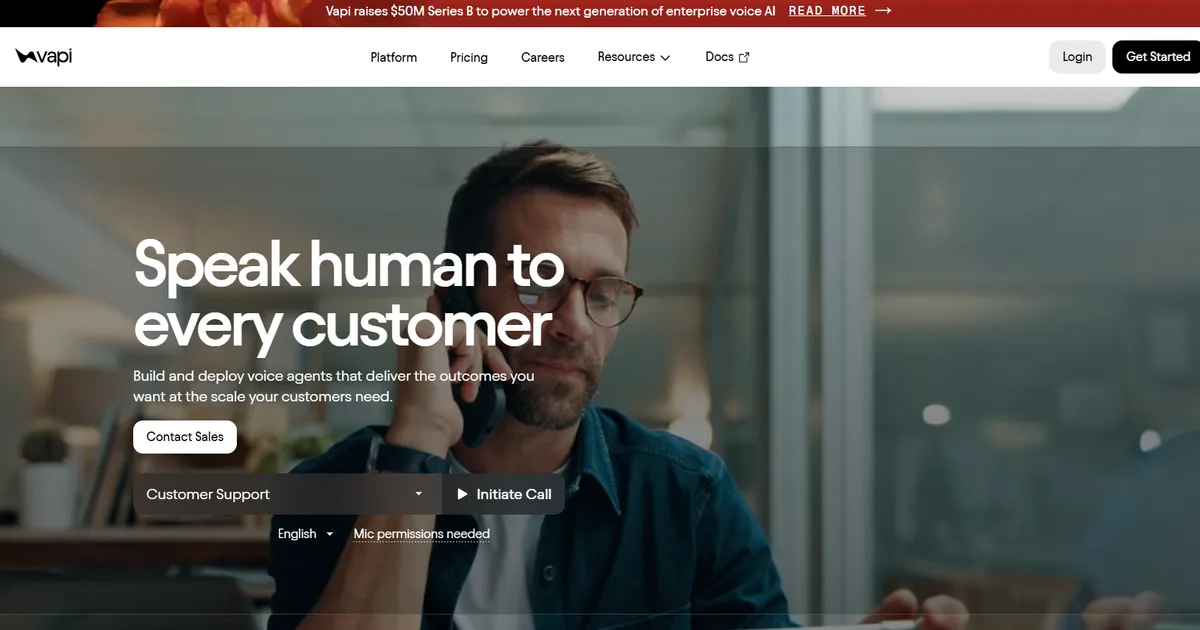
Vapi website homepage screenshot
Vapi logo
62
DAR
#14

Vapi

A configurable API platform for building and scaling voice agents that handle real calls at enterprise volume.

Vapi's API-native approach gives developers full control over conversation flow, multilingual support, and integration hooks, making it the infrastructure layer for teams building inbound or outbound voice automation.

Lindy website homepage screenshot
Lindy logo
62
FAR
#15

Lindy

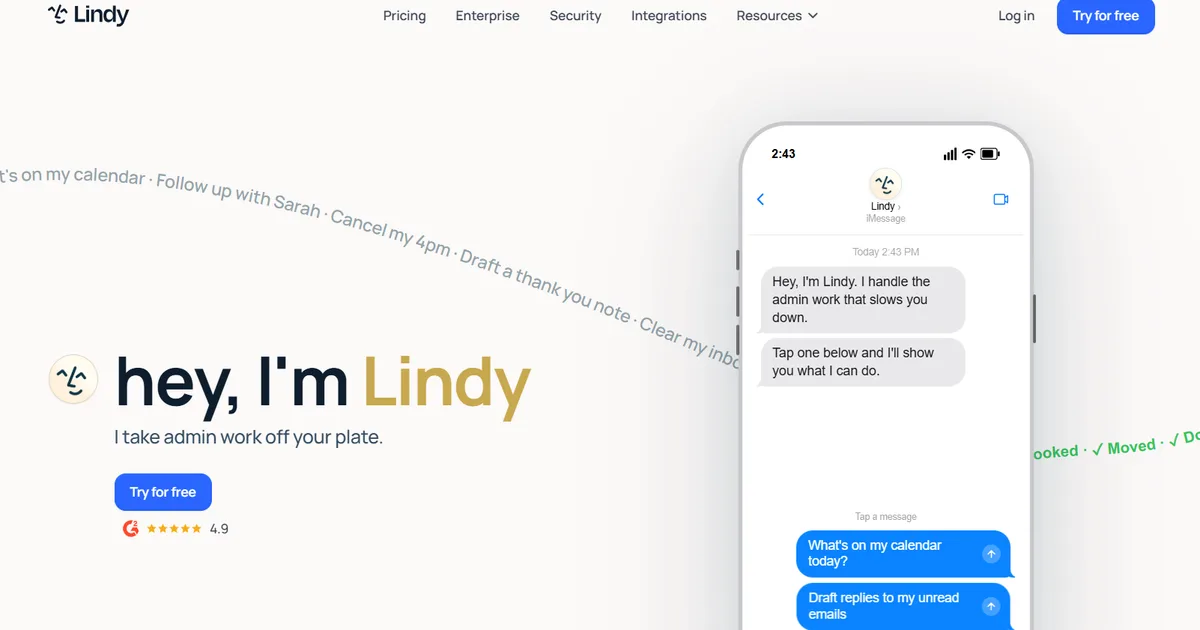
No-code agents that integrate with email, Slack, and CRMs to remove repetitive operational tasks from human queues.

Lindy targets operations teams rather than developers, enabling non-technical staff to build agents that route, respond, and escalate across the tools they already use, without writing a line of code.

Dust website homepage screenshot
Dust logo
62
FAR
#16

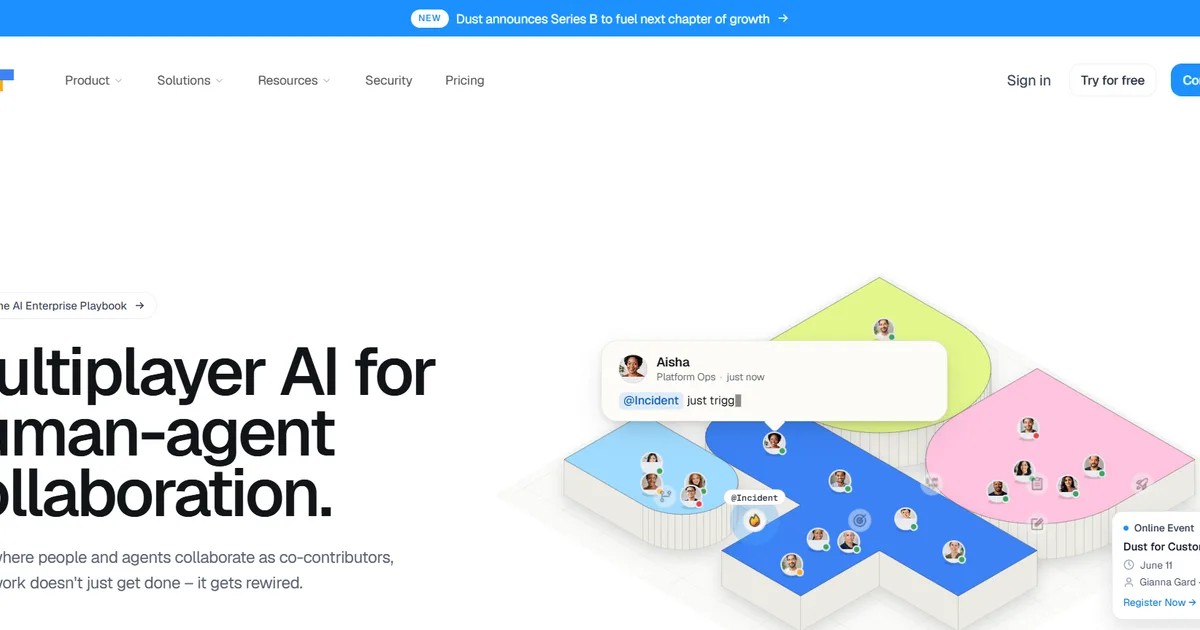
Dust

A shared AI workspace where agents and humans work from the same company knowledge base at the same time.

Dust's multiplayer model gives agents and team members access to the same knowledge layer simultaneously, solving the context fragmentation problem that makes single-agent setups brittle when tasks require shared organizational memory.

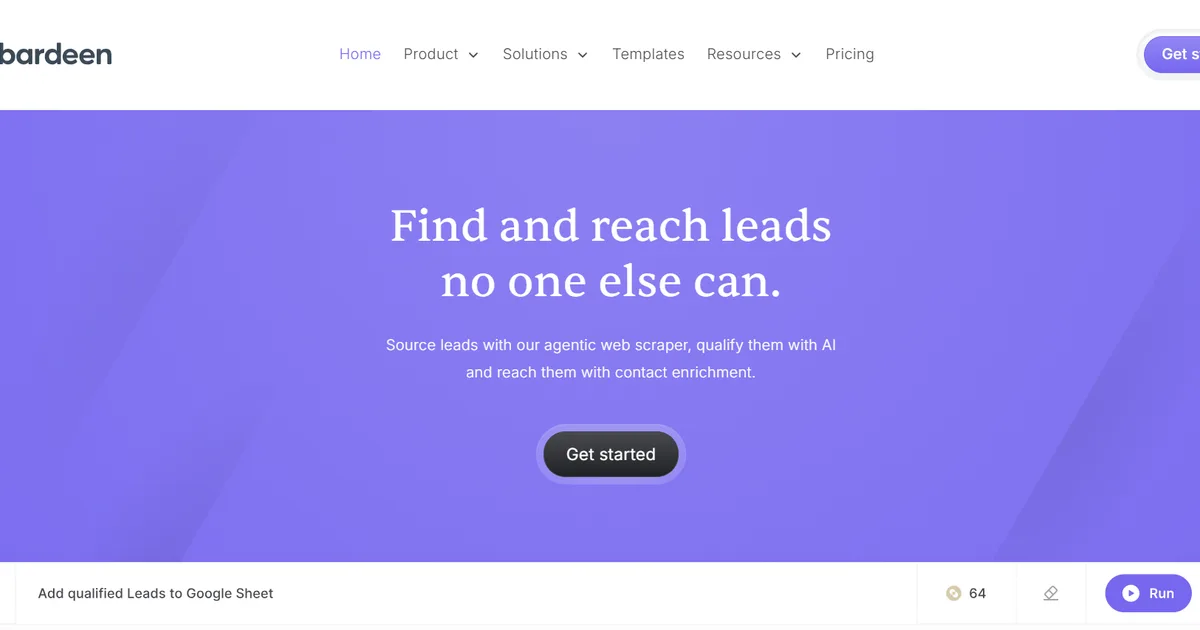
Bardeen AI website homepage screenshot
Bardeen AI logo
57
FAR

Browser-native automation for GTM teams, learning from existing workflows to remove manual data tasks.

Bardeen operates directly inside the browser, meaning sales and marketing teams can automate prospecting, data entry, and enrichment without API credentials or IT involvement, as it mirrors what they already do manually.

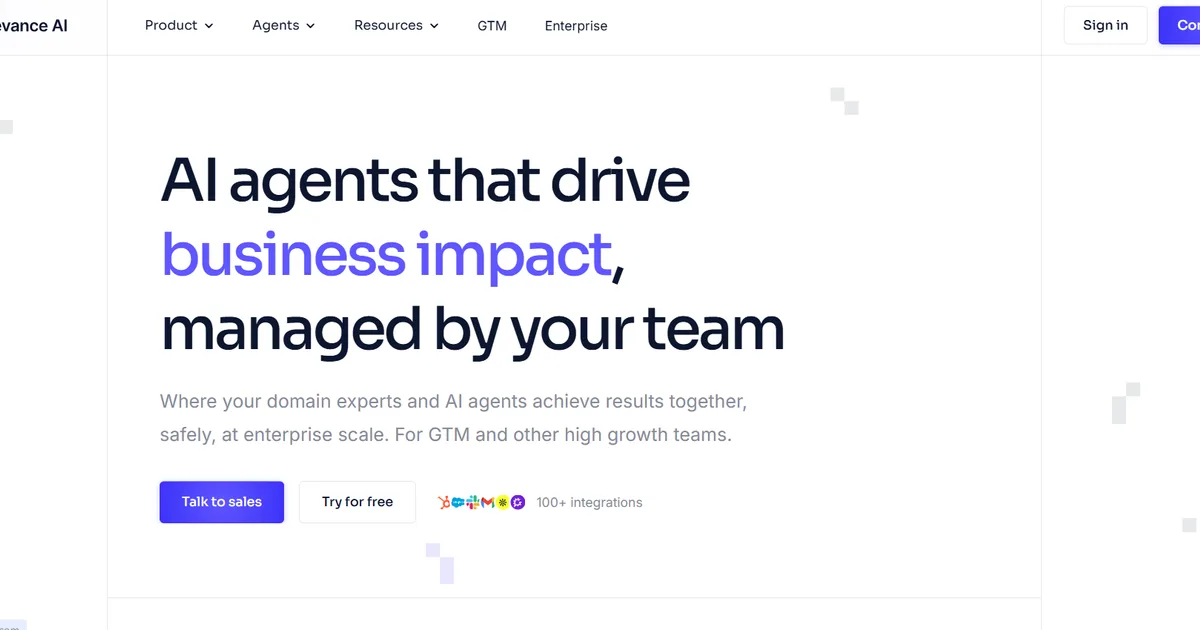
Relevance AI website homepage screenshot
Relevance AI logo
54
FAR

Build and manage a team of AI agents without code, designed for domain experts rather than developers.

Relevance AI frames agent deployment as workforce building, letting subject-matter experts define what agents should know and do, then publish them as scalable tools the broader team can use without technical handholding.

Superagent website homepage screenshot
Superagent logo
35
DAR

Open-source infrastructure for coding agents that plan, generate, and deploy software without manual intervention.

Superagent provides the orchestration and sandbox infrastructure that lets coding agents tackle multi-step software tasks autonomously, from architecture planning through deployment, with no human handoff between stages.

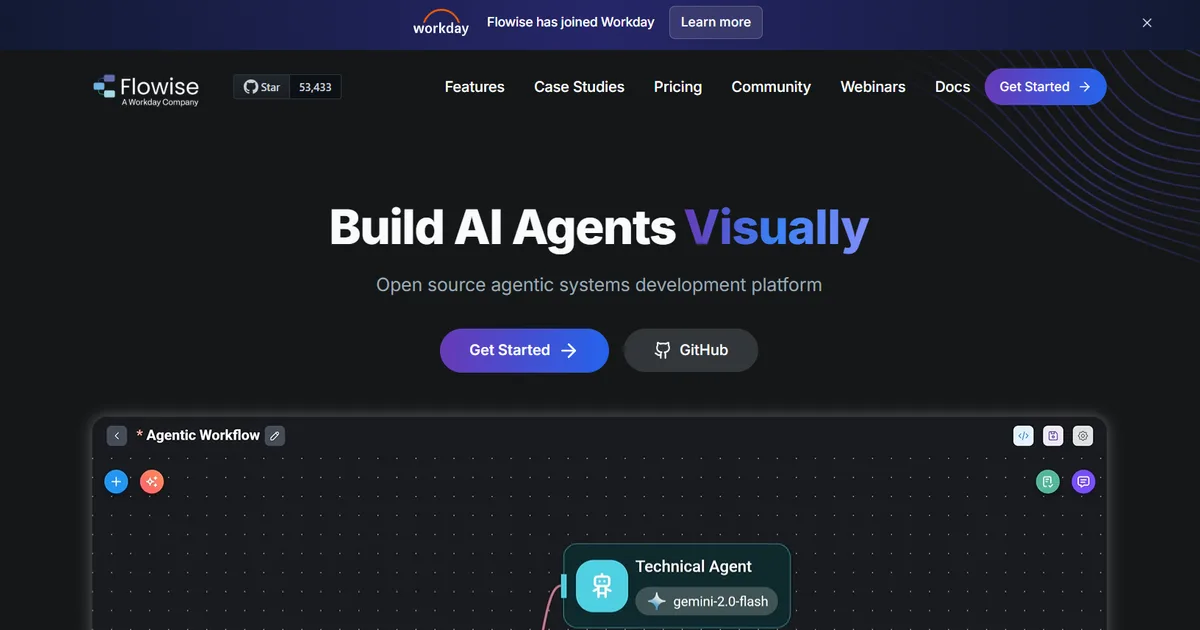
FlowiseAI website homepage screenshot
FlowiseAI logo
33
FAR
#20

FlowiseAI

Drag-and-drop agent building with full open-source access to every component and self-hosting included.

Flowise lets developers visually assemble agent applications from modular blocks, combining chains, retrieval, and custom tools in a self-hosted environment where every component is inspectable and every dependency is explicit.

What This List Reveals About the Market

The list splits cleanly into two buyer profiles. The high-scoring enterprise entrants, Celonis, Moveworks, and Hebbia, are sold to heads of operations or CTOs who need agents embedded in existing systems, with audit trails, enterprise SSO, and vendor support contracts. The builder tools, CrewAI, Dify, Mastra, FlowiseAI, score lower not because they are weaker products but because they are younger companies measured against a full range of criteria that includes go-to-market maturity and support infrastructure. For a technical team building from scratch, a lower overall score does not translate to a lower-quality choice for their specific stack.

The tension worth watching over the next 12 months is self-hosted versus managed. n8n and Mastra have built genuine adoption among teams that need data inside their own infrastructure. Lindy, Relevance AI, and Bardeen serve teams that want agents deployed fast with no ops overhead. That bifurcation is unlikely to collapse. Compliance requirements in healthcare, finance, and legal will keep enterprise buyers anchored to self-hosted control, while SMBs and consumer-facing teams consolidate around a few managed platforms. The companies in this list that can serve both sides with the same core architecture will hold the strongest negotiating position when the market consolidates in 2027.

Frequently Asked Questions

What are AI agent workflow tools?

AI agent workflow tools are platforms that enable software agents to execute multi-step tasks autonomously, chaining together API calls, decisions, and data operations without requiring a human to approve each step. Unlike single-turn chatbots, these tools allow agents to plan, use external tools, and complete end-to-end workflows, handling exceptions and conditional logic along the way.

What is the best AI agent workflow platform for non-technical teams?

For teams without engineering resources, Lindy and Relevance AI offer the most accessible entry points. Both use no-code interfaces to build agents that connect to email, Slack, and CRMs. Make and n8n add visual workflow builders that handle more complex logic, though n8n requires some technical comfort for self-hosting. Bardeen is worth considering for GTM teams specifically, since it operates directly inside the browser.

How do AI agent workflows differ from traditional automation tools?

Traditional automation tools execute fixed trigger-action rules with no decision-making between steps. Agent workflows add a reasoning layer, allowing agents to interpret ambiguous inputs, choose between multiple tools dynamically, and handle exceptions without predefined fallback logic. The practical difference shows up in tasks that involve unstructured data or variable conditions, where rule-based automation fails but a reasoning agent succeeds.

© 2026 StartupHub.ai. All rights reserved. Do not enter, scrape, copy, reproduce, or republish this article in whole or in part. Use as input to AI training, fine-tuning, retrieval-augmented generation, or any machine-learning system is prohibited without written license. Substantially-similar derivative works will be pursued to the fullest extent of applicable copyright, database, and computer-misuse laws. See our terms.