

Starbucks Builds In-House AI to Cut Software Costs

Starbucks is developing in-house AI tools to cut software costs, aiming to save $10 million annually and reduce reliance on vendors like Microsoft and IBM.

3 min read
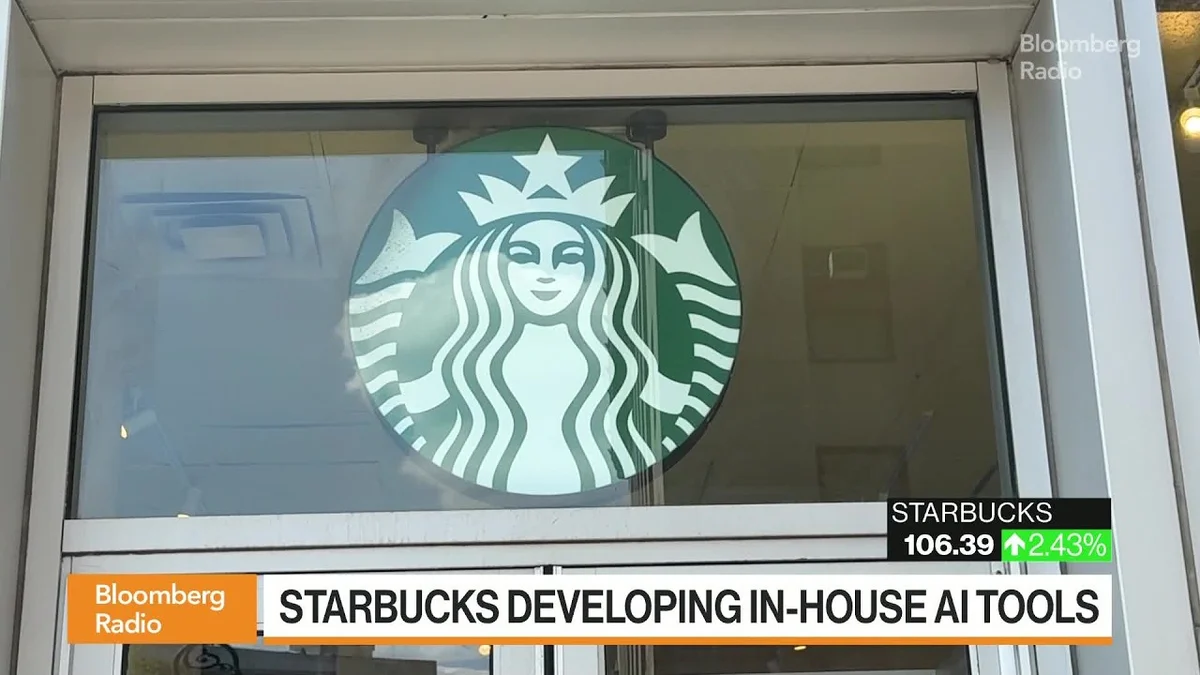
Exterior of a Starbucks coffee shop with the iconic green logo visible.
A Starbucks store exterior.· Bloomberg Podcast

Starbucks is embarking on a strategic shift to develop its own in-house artificial intelligence tools, a move aimed at reducing its dependence on major software vendors like Microsoft and IBM. The coffee giant is reportedly targeting significant cost savings through this initiative, signaling a growing trend among large corporations to bring AI development in-house.

Daniela Sirtori, a Restaurants Reporter for Bloomberg News, detailed Starbucks' strategy, explaining that the company is moving away from simply purchasing off-the-shelf software. Instead, Starbucks is looking to build AI applications that can be customized to its specific needs, particularly in areas like point-of-sale systems. This allows for a more personalized customer experience, where baristas can more effectively ring up orders tailored to individual preferences.

Strategic Shift to In-House AI Development

The core of Starbucks' new strategy involves a critical evaluation of its existing software contracts. Sirtori highlighted that Starbucks is exploring whether it makes more sense to build certain AI functionalities internally rather than continuing to rely on external providers. This approach is driven by the increasing sophistication and accessibility of AI development tools.

The full discussion can be found on Bloomberg Podcast's YouTube channel.
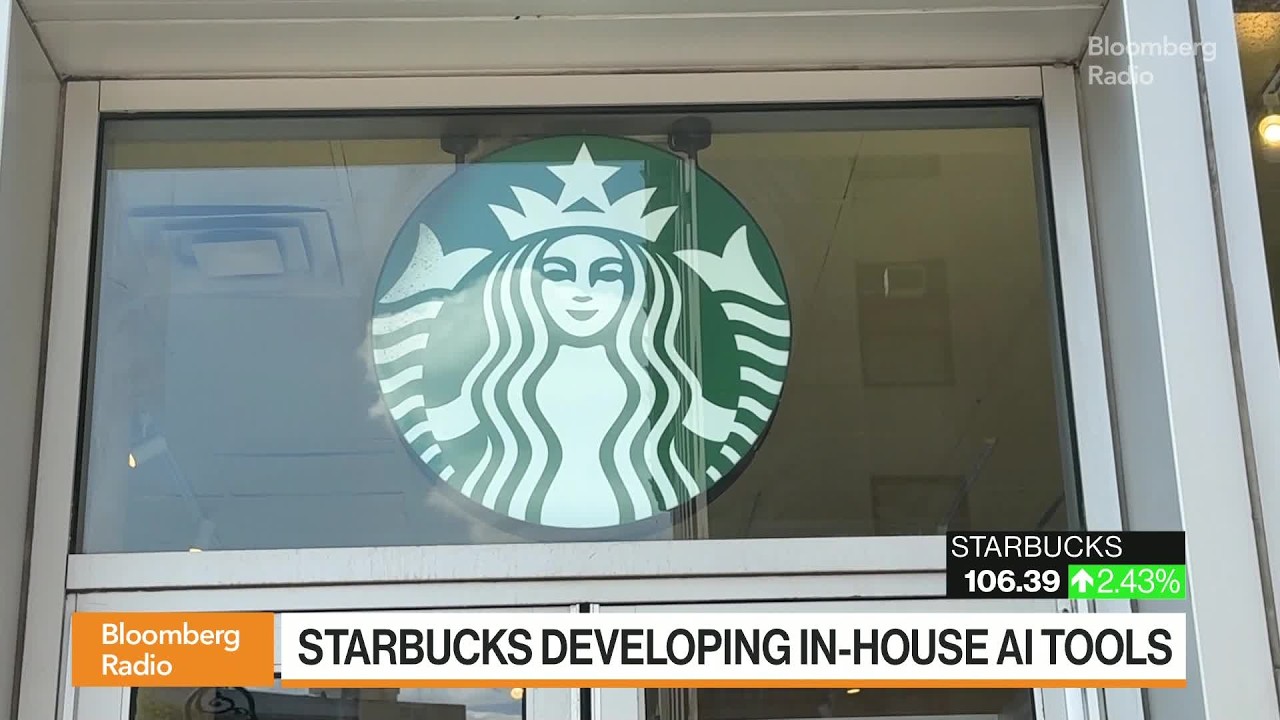
Starbucks Developing In-House AI Tools - Bloomberg Podcast
Starbucks Developing In-House AI Tools, from Bloomberg Podcast

This decision is not merely about cost reduction; it's also about gaining greater control over the technology that powers Starbucks' operations. By developing its own AI tools, the company can ensure that the software is perfectly aligned with its business processes and customer service goals. This level of customization is often difficult to achieve with generic, off-the-shelf solutions.

Significant Cost Savings on the Horizon

Starbucks' pursuit of in-house AI development is expected to yield substantial financial benefits. According to reports, the company is aiming to reduce its annual software expenditure by approximately $10 million. This target is set to be achieved by the end of the current fiscal year, which concludes in September.

This financial objective underscores the growing recognition that while third-party software can be beneficial, it also represents a significant ongoing cost. For a company of Starbucks' scale, even incremental savings in software spending can translate into millions of dollars. The move towards internal AI development is a clear indicator of this cost-consciousness.

Broader Industry Implications

Starbucks' initiative aligns with a broader trend in the enterprise technology space. Many large companies are increasingly investing in building their own AI capabilities. This allows them to tailor solutions to their unique operational requirements, gain a competitive edge, and potentially reduce long-term costs associated with licensing and vendor lock-in.

The trend also reflects the maturity of AI technologies, which are now robust enough for large organizations to develop and deploy them effectively. Companies are moving beyond simply consuming AI-powered services and are now actively building them, often by re-evaluating their existing vendor relationships. This shift is putting pressure on traditional software providers, as highlighted by the recent performance of companies like IBM and Salesforce, which have seen their stock prices decline amidst this changing market dynamic.

The Role of AI in Customer Experience

The application of AI at Starbucks extends beyond internal cost savings; it also plays a crucial role in enhancing the customer experience. The ability to personalize orders through AI-driven point-of-sale systems is a prime example. This allows for a more seamless and tailored interaction for each customer, potentially leading to increased satisfaction and loyalty.

As Starbucks continues to refine its in-house AI strategy, the focus remains on leveraging technology to improve both operational efficiency and customer engagement. This proactive approach positions the company to better adapt to the evolving technological landscape and maintain its competitive advantage in the global market.

© 2026 StartupHub.ai. All rights reserved. Do not enter, scrape, copy, reproduce, or republish this article in whole or in part. Use as input to AI training, fine-tuning, retrieval-augmented generation, or any machine-learning system is prohibited without written license. Substantially-similar derivative works will be pursued to the fullest extent of applicable copyright, database, and computer-misuse laws. See our terms.