
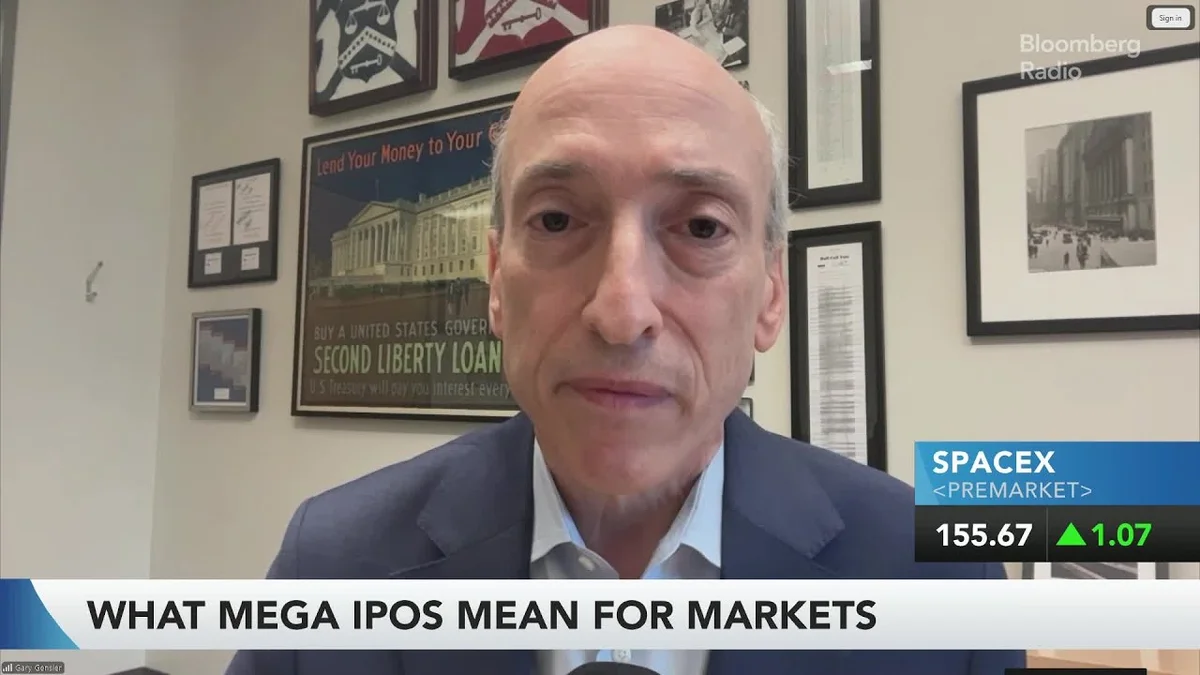
In a recent discussion, former SEC Chair Gary Gensler articulated a strong belief in the profound impact of artificial intelligence, labeling it the most transformative technology of our time. Gensler, who also holds a professorship at MIT's Sloan School of Management, drew parallels between the current AI landscape and the dot-com boom of the late 1990s, suggesting that while the potential is immense, the market is also navigating a period of significant speculation.
AI's Transformative Power and Market Parallels
Gensler highlighted that the current wave of AI development and adoption is comparable to the transformative shifts seen with previous technological revolutions. He pointed to companies like SpaceX, Anthropic, and OpenAI as examples of entities that could significantly alter the trajectory of market history, particularly through their potential future IPOs. The scale of investment and the rapid advancements in AI capabilities suggest a period of significant economic and societal change, akin to the internet's early days.
The Dual Nature of AI's Impact
The conversation touched upon the dual nature of AI's impact, noting its capacity to both drive productivity and potentially displace jobs. Gensler suggested that while AI can enhance efficiency and create new opportunities, it also poses challenges that society must address. He drew historical parallels, referencing periods like the late 19th century's industrialization and the late 20th century's internet revolution, where technological leaps brought about significant economic restructuring and workforce shifts.
The full discussion can be found on Bloomberg Podcast's YouTube channel.
Navigating the AI Future
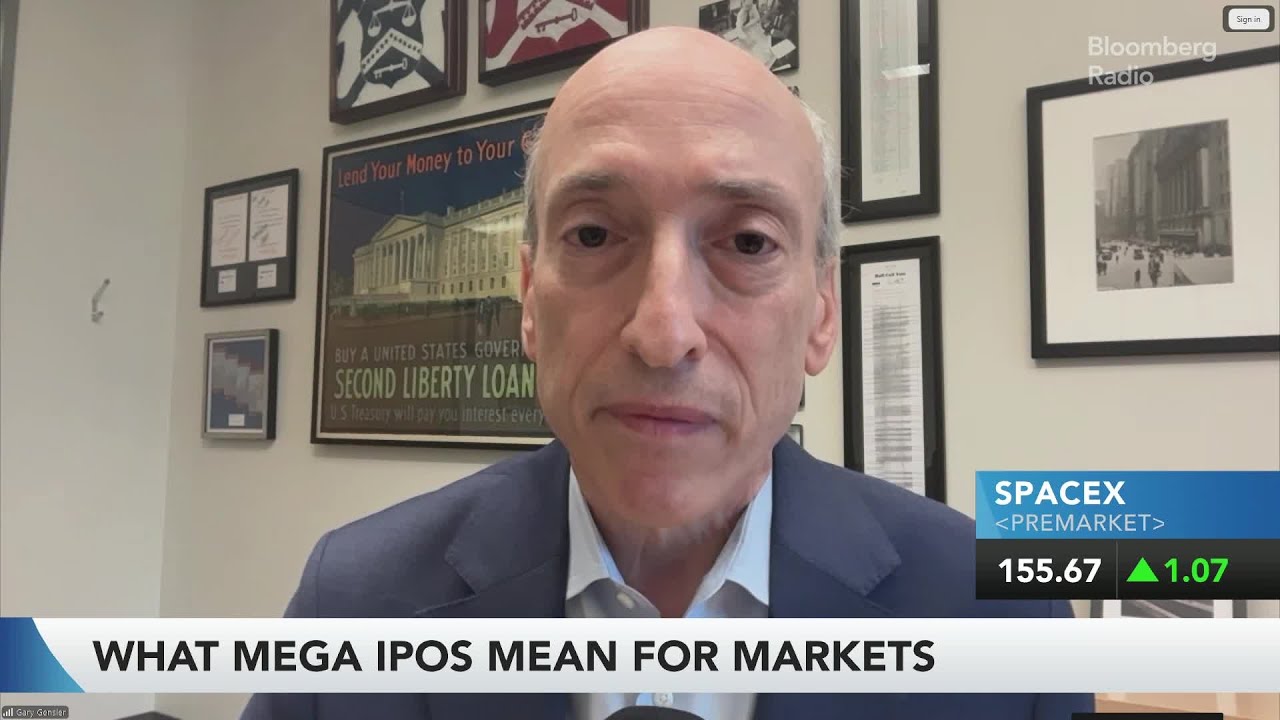
Gensler stressed the importance of careful consideration and regulatory frameworks as AI continues to evolve. He indicated that understanding the long-term implications of AI on everything from healthcare to the job market is crucial. The development of AI, he argued, necessitates a thoughtful approach to ensure its benefits are broadly shared and its risks are mitigated, particularly concerning issues like bias, privacy, and economic inequality.
The discussion also touched upon the speculative nature of some AI investments, drawing parallels to the dot-com bubble. Gensler advised caution, emphasizing that while the underlying technology is transformative, market valuations must be grounded in fundamental business realities and long-term value creation, rather than purely speculative enthusiasm.



