


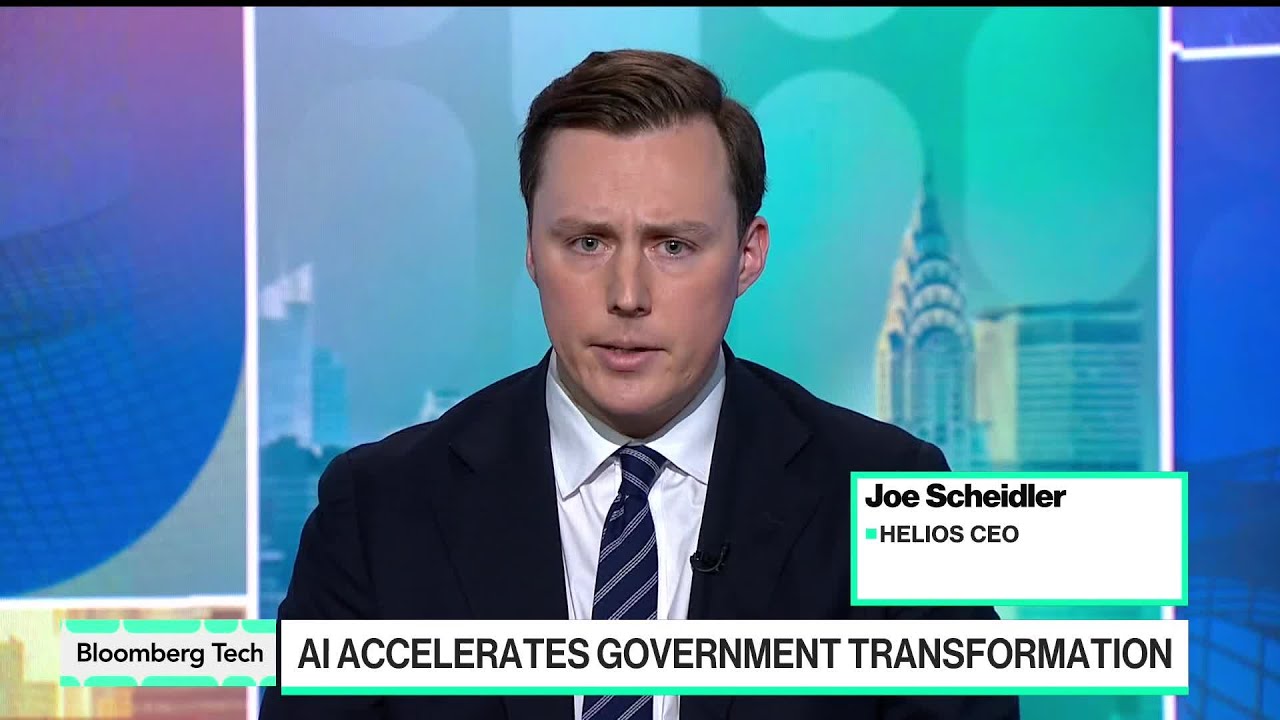
In a recent Bloomberg Tech segment, Joe Scheidler, CEO of Helios, a company developing an "AI-native operating system" for public policy professionals, discussed the critical need for a balanced and comprehensive approach to AI regulation. Scheidler emphasized the challenges governments face in keeping pace with the rapid evolution of artificial intelligence, arguing that the current fragmented approach to regulation is insufficient and potentially detrimental to both innovation and public safety.
The full discussion can be found on Bloomberg Technology's YouTube channel.
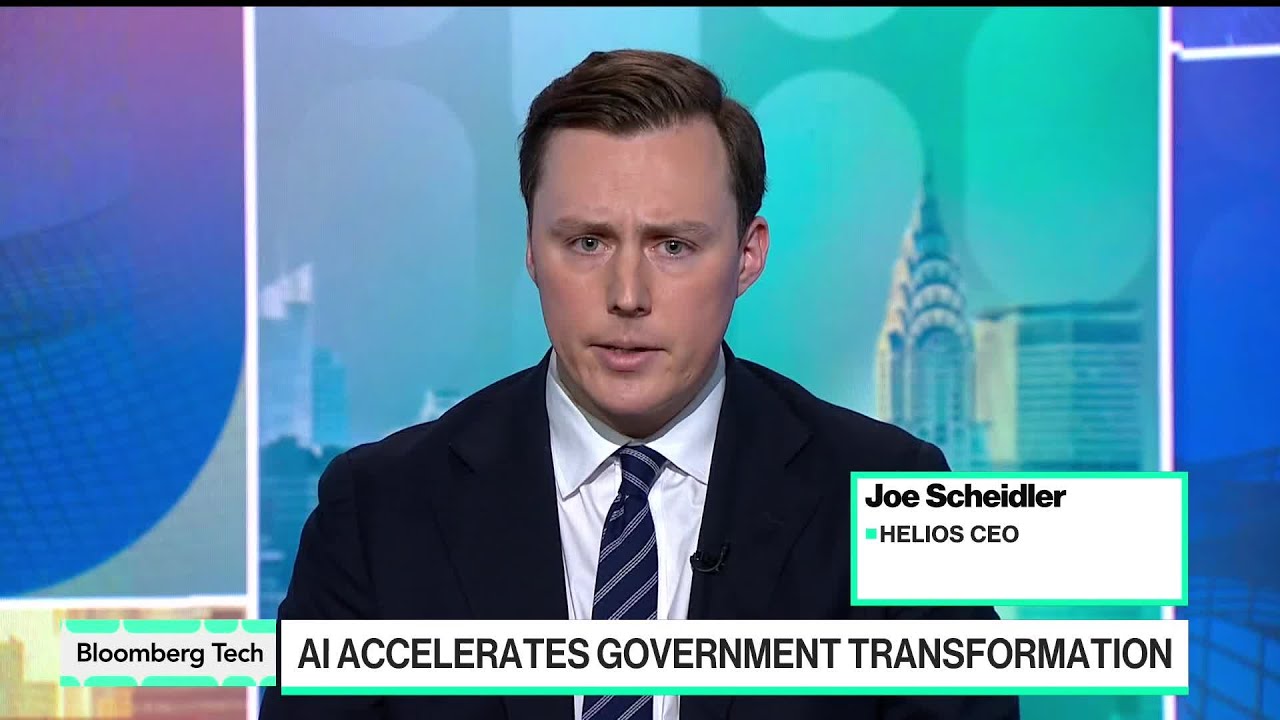
Joe Scheidler: A Vision for AI Governance
Joe Scheidler, as the CEO of Helios, is at the forefront of leveraging AI for public policy and government transformation. His company's mission to monitor legislation and regulatory changes in real-time highlights the practical applications of AI in governance. Scheidler's perspective is informed by his experience working with government entities and understanding the complex landscape of policy-making. His insights are particularly valuable given the increasing integration of AI across various sectors, including national security and the broader economy.
The Inadequacy of Fragmented AI Regulation
Scheidler articulated a core concern regarding the current state of AI regulation in the United States: its piecemeal nature. He stated, "I think the trajectory, the timeline for a federal level set of rules on AI... I think, as a builder and somebody who has sat in government, I can confidently say what we need right now is a single national framework." The CEO elaborated on the issues arising from a lack of a unified national strategy, noting that the current approach is "not a sustainable structure in a global competitive technology race." This fragmentation creates uncertainty for developers and businesses, potentially slowing down beneficial AI adoption and creating compliance challenges.
The Risk of Over- and Under-Regulation
A central theme of Scheidler's discussion was the delicate balance required in AI regulation. He highlighted the inherent risk of either stifling innovation through excessive rules or failing to adequately protect the public through insufficient oversight. "The real risk," Scheidler explained, "is over-regulation or under-regulation." He pointed out that the current state of AI development makes it challenging to establish definitive rules, stating, "This is still a very emergent technology in many respects. It's a horizontal technology that cuts across every sector, vertical industry." This necessitates a flexible yet robust regulatory approach that can adapt to AI's evolving capabilities and applications.