Visual TL;DR
Broad AI RallyDriver
initial momentum driven by broad excitement and speculation
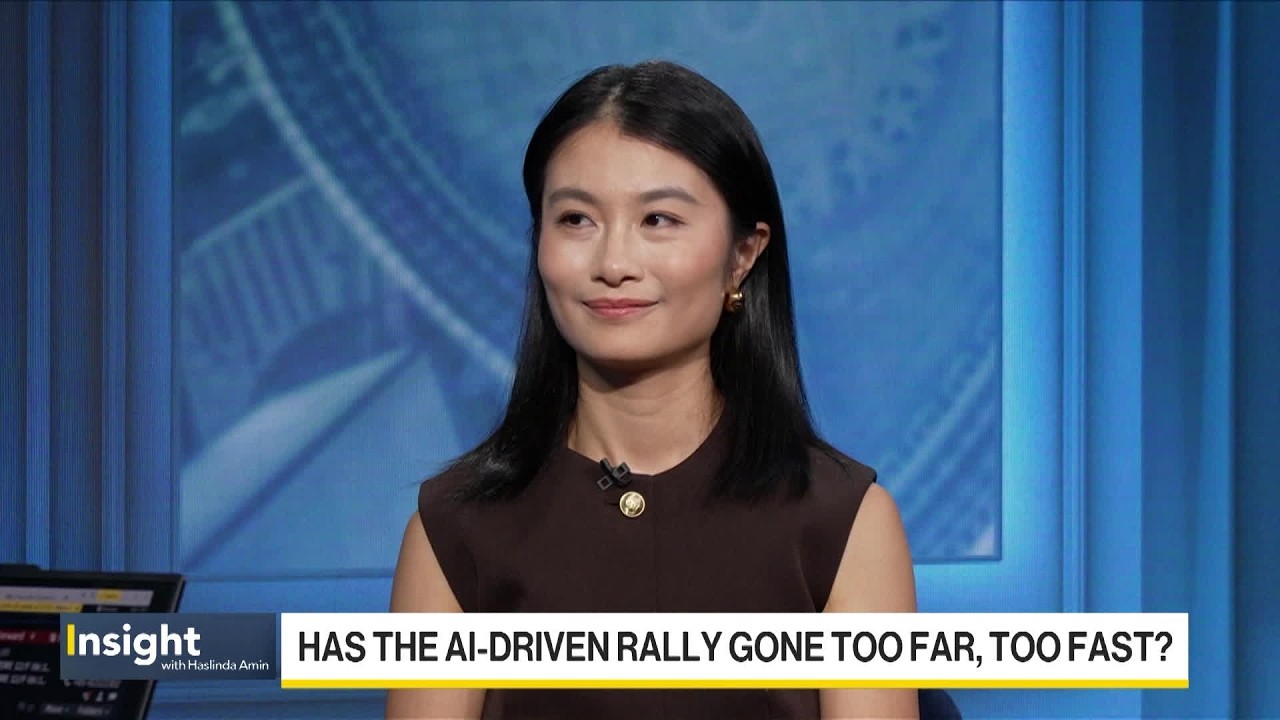
From the article 2 mentionsFiona Yang, an Asia ex-Japan equities fund manager at Invesco, discusses the current state of the AI rally, questioning if it has gone "too far, too fast." She suggests that while the initial momentum was broad, the market is now entering a phase where selectivity and a focus on demonstrable returns will become more critical.
Fiona Yang's ViewCore
From the articleFiona Yang, an Asia ex-Japan equities fund manager at Invesco, discusses the current state of the AI rally, questioning if it has gone "too far, too fast." She suggests that while the initial momentum was broad, the market is now entering a phase where selectivity and a focus on demonstrable returns will become more critical.
Market ShiftContext
From the article 8 mentionsThis turbulence, she explains, stems from a shift in focus from pure excitement to tangible monetization and return on investment (ROI).
Turbulent PeriodEffect
From the articleHowever, she anticipates that the latter half of the year will see a "bit more turbulent" period.
Diversifying Chip SuppliesContext
companies are actively diversifying their chip manufacturing sources
From the articleA key trend Yang highlights is the strategic move by AI companies to diversify their chip supplies.
Selective AI TradeOutcome
AI trade becoming more selective, demanding demonstrable returns
From the article 2 mentionsThe fund manager also touches upon the idea that the "AI trade isn't over, it's simply becoming more selective." This implies that while the overall AI trend remains strong, investors are becoming more cautious, focusing on companies with solid business models and clear paths to profitability.
Sustainable ProfitabilityEffect
From the article 3 mentionsYang points out that as capacity expands, companies may need to demonstrate more sustainable profitability, which could lead to increased volatility.