

AI Design Trends: Build0, NunuAI, and Getcrux

AI design trends are rapidly evolving, with startups like Build0, NunuAI, and Getcrux showcasing how AI can revolutionize workflows from game development to marketing and compliance.

4 min read
Aaron Epstein and Raphael Schaad discussing AI design trends.
Design Experts Review Vibe Coded Websites — YC on YouTube

In the rapidly evolving landscape of AI-powered tools for startups, the ability to create compelling and functional digital experiences is paramount. This video review dives into three innovative companies leveraging AI to streamline creative and operational workflows: Build0, NunuAI, and Getcrux. Each platform showcases a different facet of how AI is reshaping industries, from game development to marketing and compliance.

Meet the Innovators

The video features insights from Aaron Epstein, a General Partner at Y Combinator, known for his deep understanding of early-stage startups and venture capital. He is joined by Raphael Schaad, a Visiting Partner at Y Combinator and former co-founder of Cron, a modern calendar tool acquired by Notion. Schaad is recognized for his expertise in building user-friendly products and his contributions to the design community.

The full discussion can be found on YC's YouTube channel.
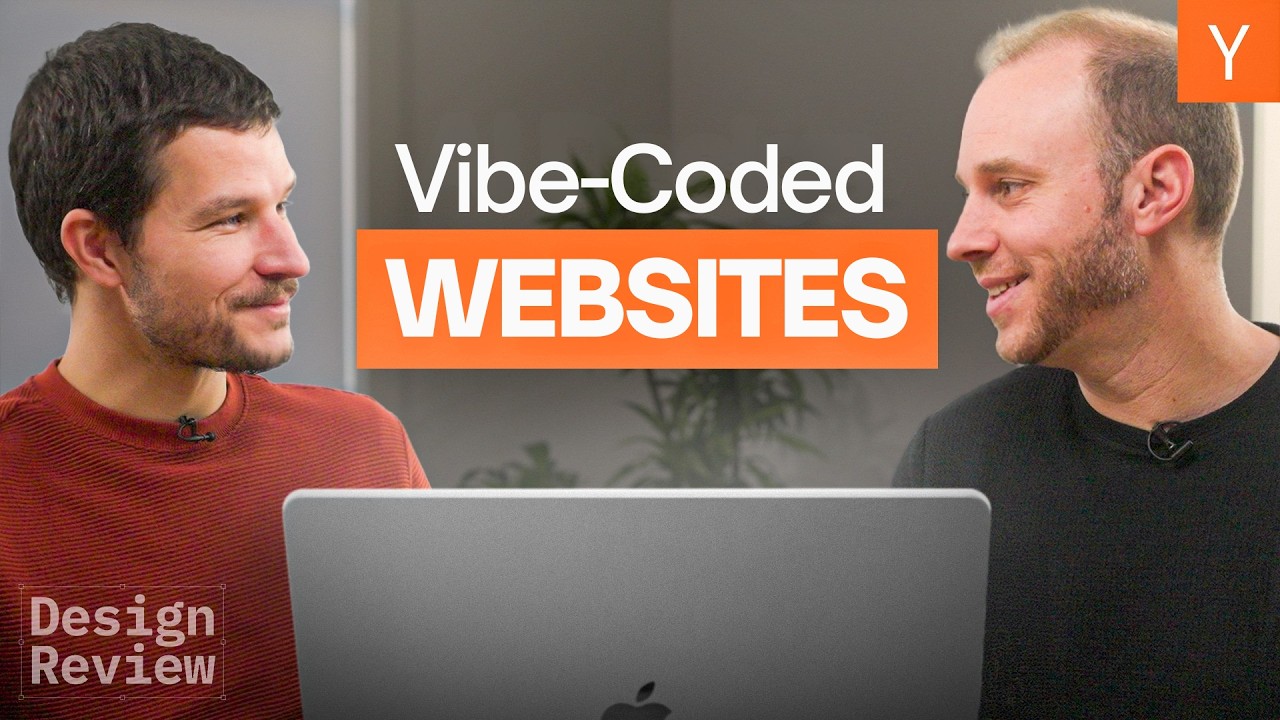
Design Experts Review Vibe Coded Websites — from YC

Build0: AI for Internal Apps

Build0 is presented as a platform that empowers users to create custom internal applications with AI. The demo showcases a user-impersonating panel, illustrating how the tool can help streamline workflows by automating tasks like pulling registry data, checking web presence, and flagging suspicious activity. The interface features a clean, modern design with interactive elements that demonstrate the AI's capabilities. The models in use include OpenAI, Gemini, and Claude, highlighting a flexible approach to AI integration. The platform's ability to generate AI-powered tools from simple prompts, like "build me a tool that...", underscores the trend towards democratizing software development.

NunuAI: AI for Game Testing

NunuAI focuses on solving game testing challenges with AI agents. The platform aims to save countless hours of manual Quality Assurance by automating end-to-end tests at scale. The video critiques some of the design trends observed on NunuAI's website, noting that while many elements are visually appealing and modern, some animations, like the scrolling indicator line, can be distracting. However, the core functionality, which allows users to describe what they want to test and have AI agents handle the rest, is highlighted as a significant advancement in game development QA. The platform's emphasis on writing tests in plain English, requiring no coding or technical expertise, makes it accessible to a broader range of users.

Getcrux: AI Creative Strategist

Getcrux positions itself as an AI Creative Strategist designed to make ads that convert, scale, and trend. The platform aims to eliminate guesswork in the advertising process by creating repeatable winning formulas. The website features a clean, white-based design with prominent calls to action. Key features include AI analysis of ad elements, identification of what's working, and recommendations for new concepts. The video points out some design choices, such as the subtle fade-in animations and the playful, yet sometimes distracting, chase-me button, which while visually interesting, might detract from the core message. The platform's ability to analyze audience sentiment and generate creative briefs and scripts based on brand voice is a key differentiator.

AI Design Trends and Criticisms

A significant theme discussed is the increasing prevalence of AI-generated design elements, such as purple gradients and subtle animations. While these trends can make websites visually appealing, the speakers note that they can sometimes be overused or implemented in ways that distract from the core functionality and user experience. The video highlights examples where these AI-driven design choices might be less effective or even detrimental, such as when they obscure important content or make calls to action difficult to interact with.

The discussion also touches upon the importance of clear, functional design over purely aesthetic choices. While AI can generate visually striking elements, the underlying usability and clarity of information are crucial for user adoption and trust. The speakers emphasize that the goal should be to enhance the user experience, not to create visually complex interfaces for their own sake.

The Future of AI in Product Design

The video concludes by suggesting that the rapid advancement of AI tools is not only changing how products are built but also how users interact with them. The ability to create custom internal apps with AI, automate complex compliance processes, and generate effective marketing creatives efficiently points towards a future where AI plays an integral role in business operations. However, the importance of human oversight, strategic thinking, and a focus on user experience remains critical in the successful implementation of these powerful technologies.