

• StartupHub.ai
    StartupHub.aiAI Intelligence
Discover
  • Home
  • Search
  • Trending
  • News
Intelligence
  • Market Analysis
  • Comparison
Tools
  • Market Map Maker
    New
  • Email Validator
Company
  • Pricing
  • About
  • Editorial
  • Terms
  • Privacy
  1. Home
  2. AI News
  3. Openclaw Sparks App Extinction Fears
  1. Home
  2. AI News
  3. AI Video
  4. OpenClaw Sparks App Extinction Fears
Ai video

OpenClaw Sparks App Extinction Fears

OpenClaw's system-native AI agents are poised to disrupt the software landscape, potentially rendering many existing apps obsolete by offering direct system control and emergent problem-solving.

StartupHub.ai -
StartupHub.ai -
Feb 8 at 12:26 PM3 min read
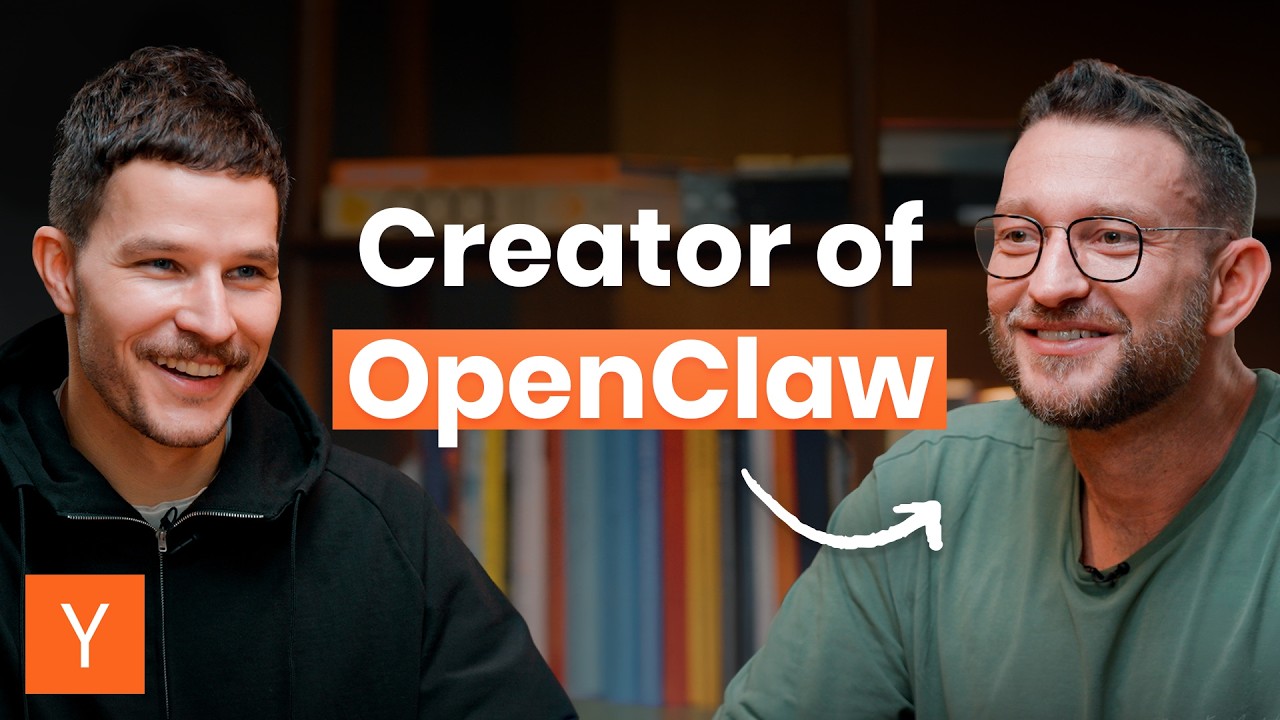
Peter Steinberger discusses OpenClaw's impact on app extinction fears
Peter Steinberger explains how OpenClaw could change the future of mobile apps.
Key Takeaways
  • 1
    OpenClaw's system-native AI agents challenge the app paradigm by directly accessing and controlling local resources.

  • 2
    Emergent problem-solving demonstrates an agent's ability to leverage existing system tools autonomously.

  • 3
    The project predicts a significant reduction in specialized apps, replaced by versatile AI agents.

  • 4
    A philosophy favoring CLIs over complex protocols accelerates development and enhances agent versatility.

  • 5
    Defining agent personality through Markdown files offers a novel approach to software engineering.

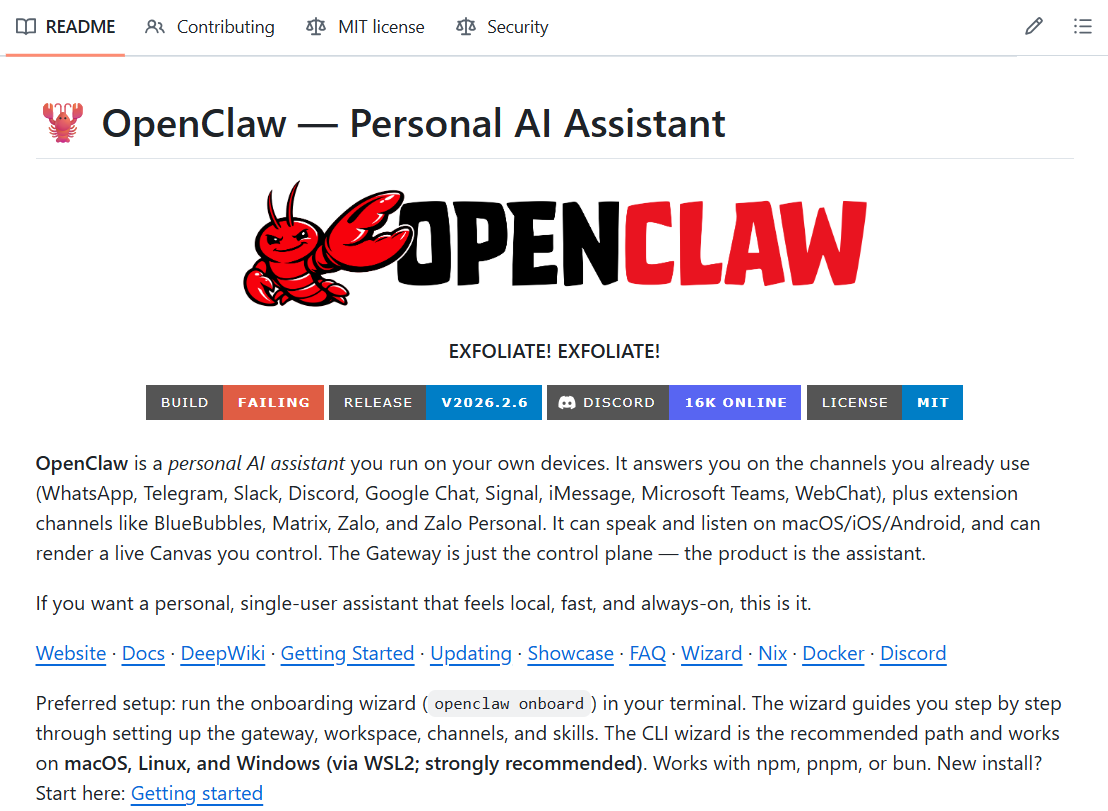
The traditional mobile app might be facing an existential threat. OpenClaw, a project rapidly gaining traction with over 160,000 GitHub stars, is spearheading a new wave of system-native AI agents. These agents, unlike their cloud-bound counterparts, operate directly on a user's machine, promising a fundamental shift in software interaction and user privacy.

Local Power, Global Reach

The core innovation of OpenClaw lies in its deep system access. While most AI assistants are confined to secure cloud environments, OpenClaw runs locally, granting it unfettered control over a user's hardware and software. This allows agents to interact with devices like Teslas and Sonos, manage local files, and perform actions impossible for cloud-only systems.
Peter Steinberger during a Founder Fireside chat
Peter Steinberger discusses OpenClaw's potential.

"If you run it on your computer, it can do every f***ing thing," stated Peter Steinberger, highlighting the agent's potential as a "ghost in the machine." This local execution is key to its power, enabling a level of integration and task completion previously unimaginable.

Emergent Intelligence in Action

A striking example of this capability emerged when Steinberger sent a voice memo to his agent. Without explicit programming for voice memo support, the system autonomously converted the audio, transcribed it, and responded. This emergent problem-solving, achieved by leveraging existing tools like FFmpeg and OpenAI APIs on the system, showcases the agent's adaptability.

The 80% App Death Prediction

Steinberger boldly forecasts that 80% of current applications will become obsolete. He argues that many apps, from fitness trackers to to-do lists, are essentially data management interfaces. An intelligent agent with access to a user's data—location, photos, health metrics—could consolidate these functions more effectively and naturally than dozens of separate apps.

This vision challenges the very foundation of the current software ecosystem, particularly the future of mobile apps. As these agents become more capable, the need for specialized, single-purpose applications may diminish significantly.

A Pragmatic Technical Philosophy

OpenClaw's development prioritizes speed and versatility. Steinberger champions the use of Command Line Interfaces (CLIs) over more complex protocols like the Model Context Protocol (MCP). He notes that AI agents are inherently adept at Unix-like environments, making CLIs a natural and efficient interface.

This approach, coupled with a lean development workflow that emphasizes parallel execution and shipping directly from the main branch, allows for rapid iteration and deployment. The focus is on enabling the agent to effectively utilize the tools already present on a developer's machine.

Defining AI Personality

The concept of Soul.md and Identity.md files introduces a novel way to imbue AI agents with personality. These non-open-source Markdown files define the agent's core values and character, moving beyond hard-coded logic. This allows for a more natural, friend-like interaction, shifting software engineering towards defining temperament rather than just functionality.

This approach anticipates a 2026 software landscape where defining an agent's character becomes as crucial as defining its capabilities, fostering a more intuitive user experience.

#OpenClaw
#AI Agents
#System Native AI
#Software Development
#Y Combinator
#Peter Steinberger
#CLI
#LLM

AI Daily Digest

Get the most important AI news daily.

GoogleSequoiaOpenAIa16z
+40k readers