

The digital world is undergoing a generational shift, akin to the internet or mobile era, driven by artificial intelligence. This tectonic movement is nowhere more critical than in cybersecurity, a sector currently defined by fragmentation and reactive defenses that are ill-equipped to handle the coming wave of AI-powered threats. Palo Alto Networks CEO Nikesh Arora, during a recent appearance on the Long Strange Trip podcast, spoke with HubSpot Co-founder and Sequoia Partner Brian Halligan about the immense scale of this revolution, the unique advantages of being an outsider in a legacy industry, and the profound necessity of platform consolidation to solve the sprawling challenges of modern enterprise security.
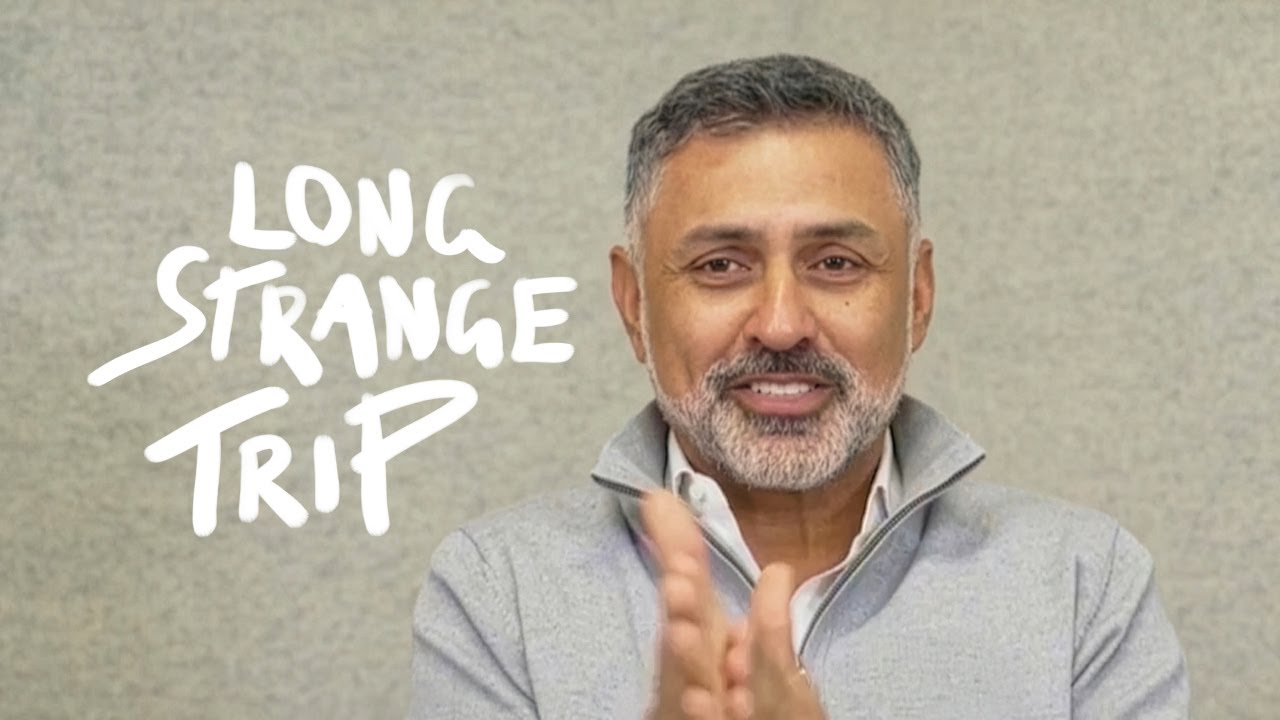
Arora, whose background spans leadership roles at Google and SoftBank, embodies the 'outsider' perspective often required to spot and capitalize on generational shifts. He suggests that those entrenched in the existing paradigm often fail to see true disruption, mistaking seismic change for mere incremental improvement. According to Arora, the current wave of generative AI is not simply a technological enhancement but a fundamental platform change. He noted, “We’re going through a massive generational shift. We’ve had three generations of computing: mainframe, client-server, and cloud. This is the fourth generation, and it’s going to be pervasive.” This observation forces business leaders to confront a critical strategic choice: adopt AI as an add-on feature, or commit to a complete architectural overhaul.
For incumbents, the internal pressure to protect existing revenue streams often makes the latter path, self-disruption, nearly impossible. Arora explained that when he arrived at Palo Alto Networks, the company, despite being a leader, was organized into numerous siloed products, reflecting the industry’s historical approach to security challenges. He saw that the customer experience was suffering under the weight of complexity and the sheer number of disconnected tools required to manage risk. His strategic mandate has been to simplify this sprawling ecosystem by integrating security capabilities into unified platforms, a shift driven by the impending ubiquity of AI.
The core diagnosis Arora offers for the cyber industry is rooted in this pervasive complexity. He pointed out the staggering reality that "the average enterprise has 70 security tools," a patchwork system that inherently introduces risk and operational friction. Cybersecurity, in this fragmented state, relies heavily on human intervention for correlation, triage, and response, a model that is fundamentally unsustainable against machine-speed attacks. AI promises to automate these tasks, but only if the underlying data and tools are harmonized. The fragmented nature of the current tooling prevents the comprehensive data ingestion necessary for training effective, large-scale security models.
This dynamic creates a massive opportunity for consolidation, where single, unified platforms replace dozens of siloed products. This is not about marginal efficiency gains; it’s about a dramatic improvement in efficacy. An integrated platform can apply AI across the entire attack surface, from the network to the cloud to the endpoint, creating a feedback loop that rapidly improves defensive posture. Arora stresses that customers no longer want to buy 70 different solutions; they want integrated security that works silently and autonomously in the background.