


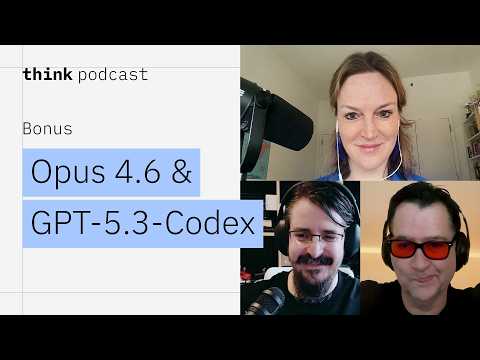
The artificial intelligence arena is moving at breakneck speed, with two major players dropping significant updates almost simultaneously. Anthropic released Claude Opus 4.6, and OpenAI followed with GPT-5.3-Codex, a development that has industry watchers buzzing about the escalating competition. This rapid-fire release schedule, detailed in a recent IBM podcast episode, underscores the intense race for dominance in the enterprise AI market.
The Bombshell Releases
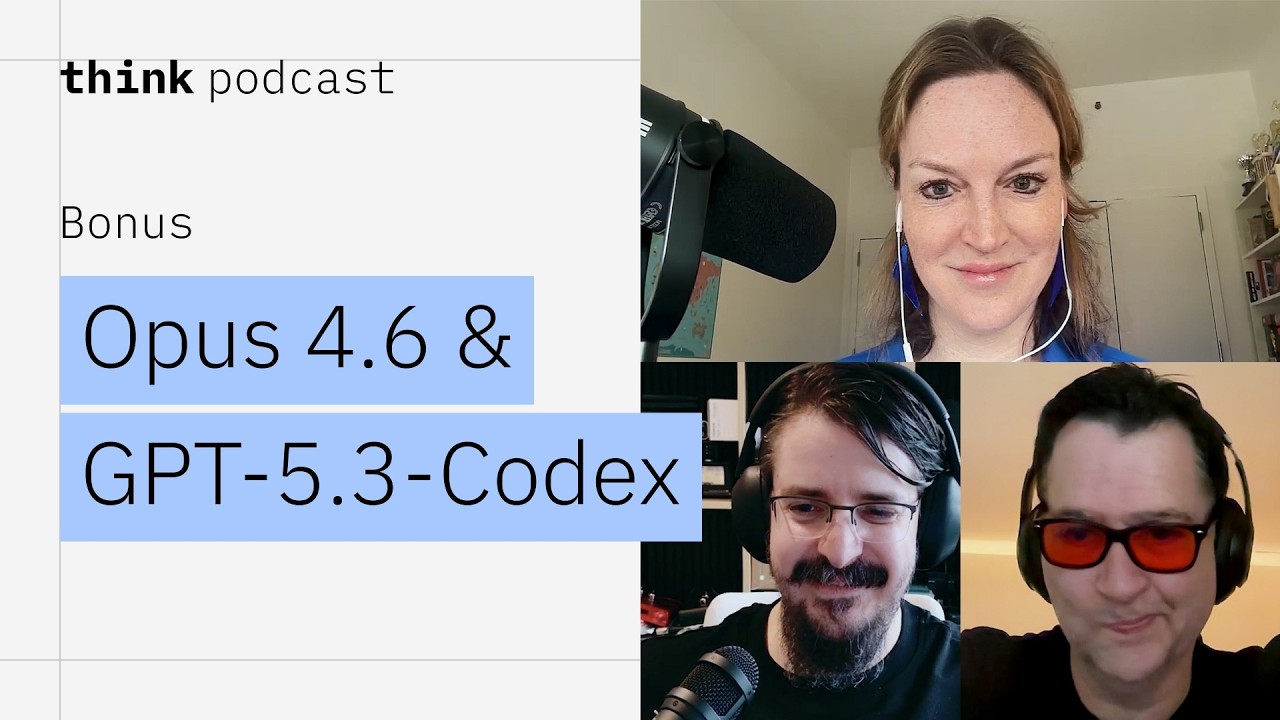
Guest host Aili McConnon, joined by experts Chris Hay and Mihai Criveti, dissected the implications of these back-to-back announcements. The models, unveiled within an hour of each other, represent a significant step forward, particularly in their capabilities for complex tasks like coding.
Coding Performance Showdown
A primary focus of the discussion was the performance of Claude Opus 4.6 against GPT-5.3-Codex in coding scenarios. While specific benchmarks are still emerging, the implication is that both models are pushing the boundaries of what AI can achieve in software development.
The Enterprise AI Battleground
Beyond raw performance, the releases highlight a fierce competition for enterprise adoption. Companies are increasingly relying on AI for critical business functions, and the latest models are designed to meet these demanding requirements. The focus is on reliability, scalability, and integration into existing workflows.
Leveraging Multiple Models
The experts also emphasized a pragmatic approach to AI tool selection. Instead of viewing these models as direct competitors, Hay and Criveti advocate for leveraging both Claude Opus 4.6 and GPT-5.3-Codex. Their real-world workflows demonstrate how different models can complement each other, offering a more robust and versatile AI toolkit.