

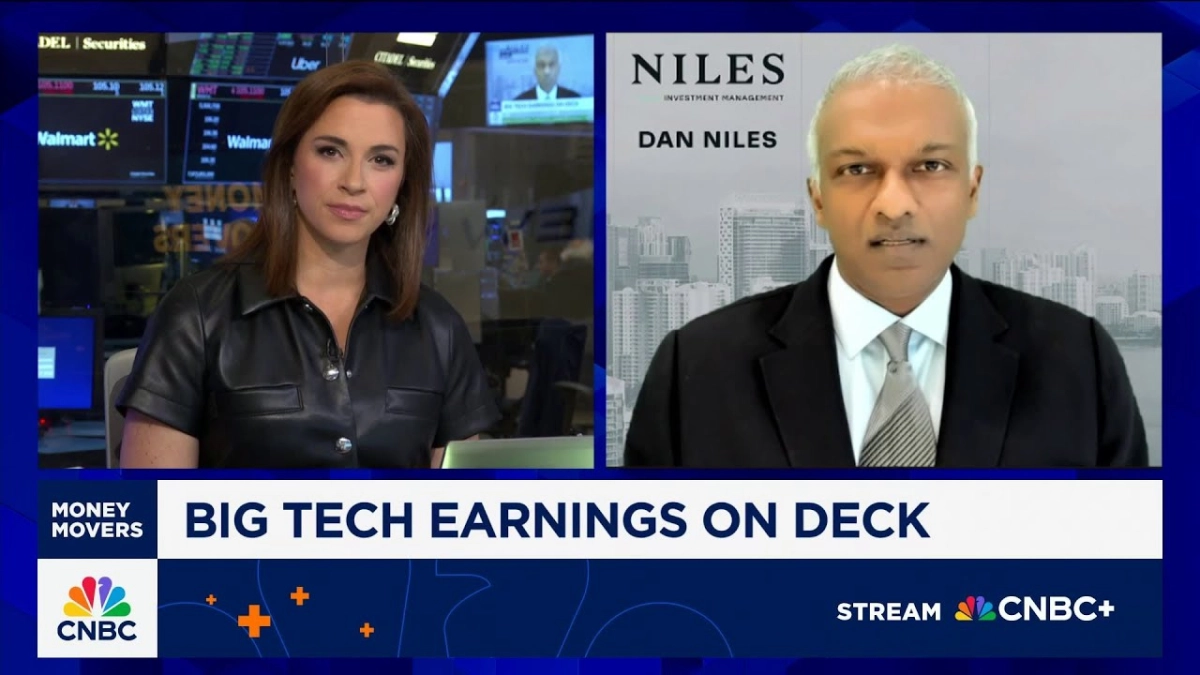
"You will see a 30 to 50% correction in many AI-related names next year," stated Dan Niles, founder and portfolio manager at Niles Investment Management, during a recent appearance on CNBC's 'Money Movers'. Niles joined the broadcast to discuss his outlook on Big Tech earnings and the current market sentiment surrounding technology stocks, particularly those heavily invested in artificial intelligence. His commentary suggests a significant recalibration is on the horizon for companies benefiting from the AI boom.
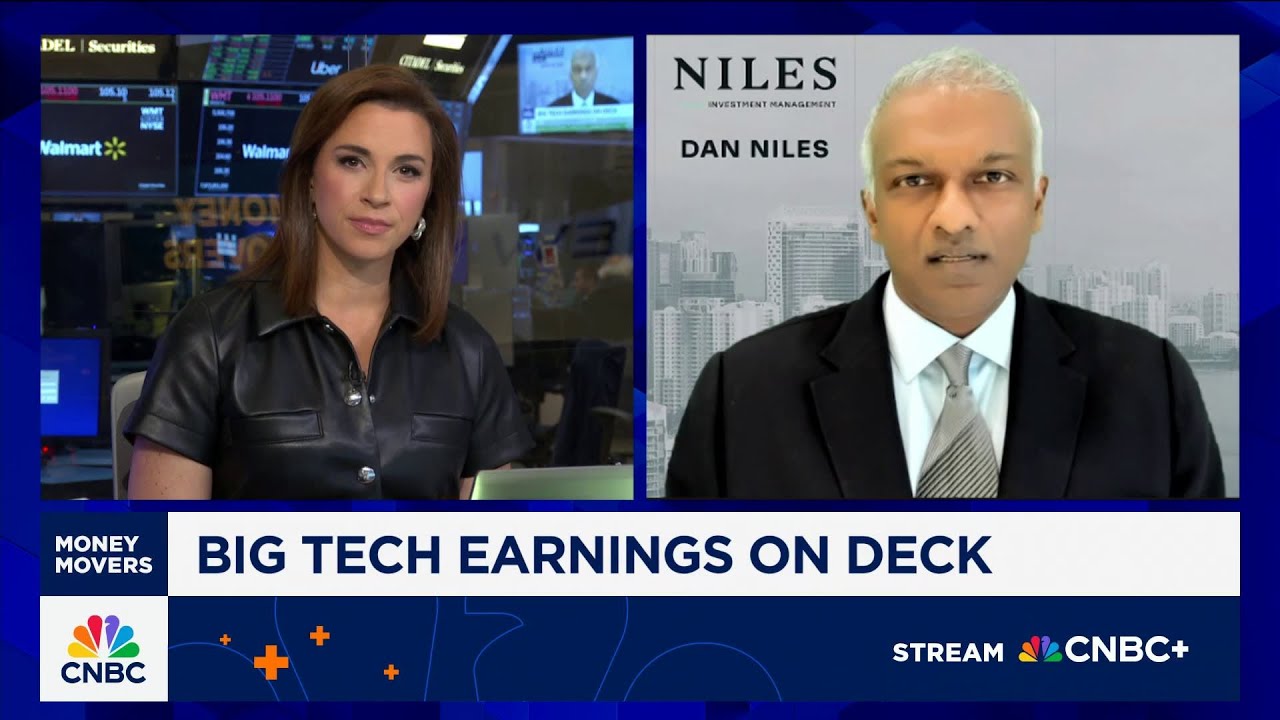
Niles spoke with CNBC's Melissa Lee at the 'Money Movers' segment to discuss the week's major tech earnings reports and the broader market trends. His core thesis revolves around the cyclical nature of technology and the potential for a market correction, especially in sectors that have experienced rapid expansion. He highlighted the current environment as one where investor exuberance, fueled by the promise of AI, may be leading to overvaluation in certain tech segments.
A key insight from Niles' analysis is the potential impact of macroeconomic factors on high-growth technology stocks. He noted that the Federal Reserve's monetary policy plays a crucial role in shaping market sentiment. "You get the Fed meeting where you're going to get a cut, and you could argue two cuts, in the sense that quantitative tightening will be stopped," Niles elaborated, indicating that a shift in monetary policy could influence market liquidity and risk appetite. This environment, he believes, could support a broad-based rally.
However, Niles cautioned against indiscriminate investment, emphasizing the need for discernment. He pointed to historical parallels, stating, "We've been through the scenario before in 2000, where inflation went from 1.4% to 7% and the S&P was up 27%." This historical context serves as a reminder that periods of rapid market growth can be followed by significant downturns, particularly when economic conditions change. The market's current upward trajectory, driven by optimism around AI, might be susceptible to a similar reversal if underlying economic fundamentals shift.
Furthermore, Niles highlighted the performance of specific technology sectors. He observed that while many AI-related stocks have seen substantial gains, the broader market may not uniformly benefit. "I believe that next year, you're going to see a 30 to 50% correction in many AI-related names," he reiterated, suggesting that the current valuations might be unsustainable for many companies that are heavily reliant on the AI narrative. This implies that investors should be cautious and selective, focusing on companies with strong fundamentals and sustainable business models rather than chasing speculative growth.