

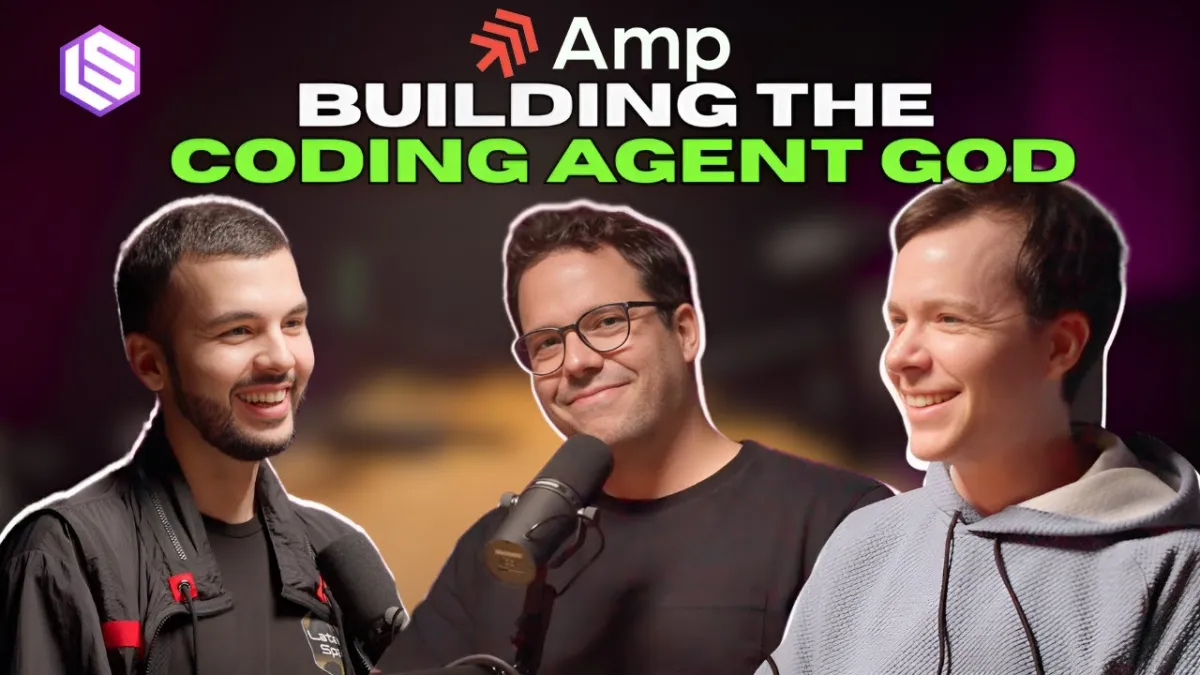
In the frenetic world of artificial intelligence, the only constant is change, and the only path to survival is often self-disruption. This profound reality underscored a recent conversation on the Latent Space podcast, where host Alessio Fanelli sat down with Quinn Slack, CEO of SourceGraph, and Thorsten Ball, Amp's "Dictator" and lead engineer. Their discussion illuminated SourceGraph's strategic pivot from its established AI coding assistant, Cody, to its latest offering, Amp Code, delving into the philosophy behind building coding agents in a hyper-evolving landscape, the challenges of rapid iteration, and the surprising realities of developer adoption.
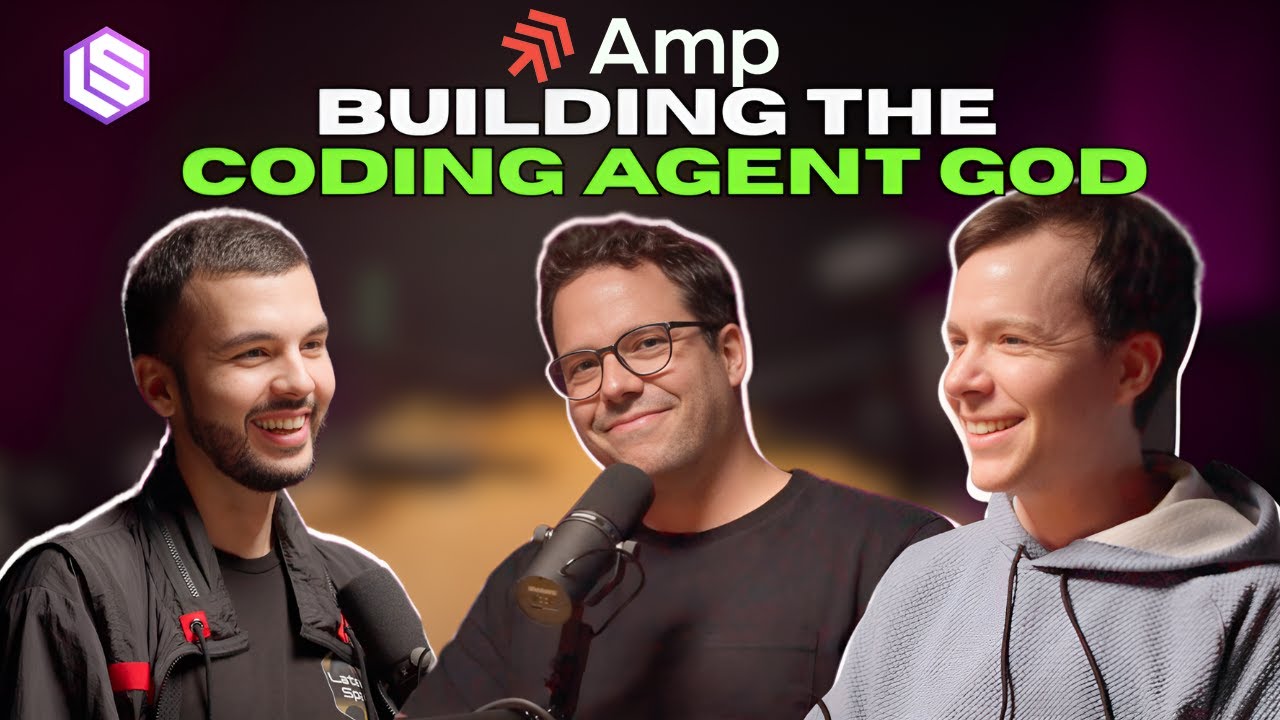
Thorsten Ball articulated a fundamental realization that catalyzed their shift: "We realized we gotta handle this differently, we gotta reset expectations... you create the new thing that kind of disrupts the business on its own." This isn't merely about feature upgrades; it's about acknowledging that the very definition of a "good" AI coding tool is ephemeral. Quinn Slack underscored this, stating, "The only thing that matters is building the best coding agent. Nothing else matters." This stark philosophy drives their product development, recognizing that tools relevant just six or twelve months ago are already being superseded. The team consciously chose to "burn the bridge" on some of Cody's established use cases and customer contracts to fully embrace a new, more agile paradigm with Amp.
This radical approach extends to SourceGraph's internal culture. Thorsten revealed that the Amp core team operates with minimal bureaucracy: "We don't do formal code reviews. We still push to main. We still ship 15 times every day." This "founder mode" mentality, unburdened by the slower cycles of larger enterprise software, allows them to dogfood extensively and maintain an unparalleled pace of innovation, directly responding to the rapid advancements in underlying AI models. This internal agility is critical when the external landscape shifts quarterly, not annually.
Amp's market strategy also reflects this adaptability. Instead of aiming for universal enterprise adoption, as was the case with Cody, they selectively target early adopters. Quinn explained, "We pick off the people that want to move as fast as we want to move." This focus on the "model product frontier" allows them to iterate with users equally invested in pushing boundaries. Interestingly, their internal polling showed a 50/50 split between VS Code extension users and CLI users for Amp, a surprising outcome that led them to consider discontinuing the VS Code extension to further streamline development and responsiveness.
A core insight from Ball is that the underlying large language models (LLMs) are rapidly becoming a mere "implementation detail." While models like Claude 3.5, Claude Code, and Codex CLI dominate headlines today, their individual supremacy is fleeting. "The models will become an implementation detail... the specific model or its version will not be as visible anymore." The true value, they argue, lies in the "harness" or "scaffolding" built around these models, enabling seamless integration and dynamic adaptation to new, more capable LLMs as they emerge.