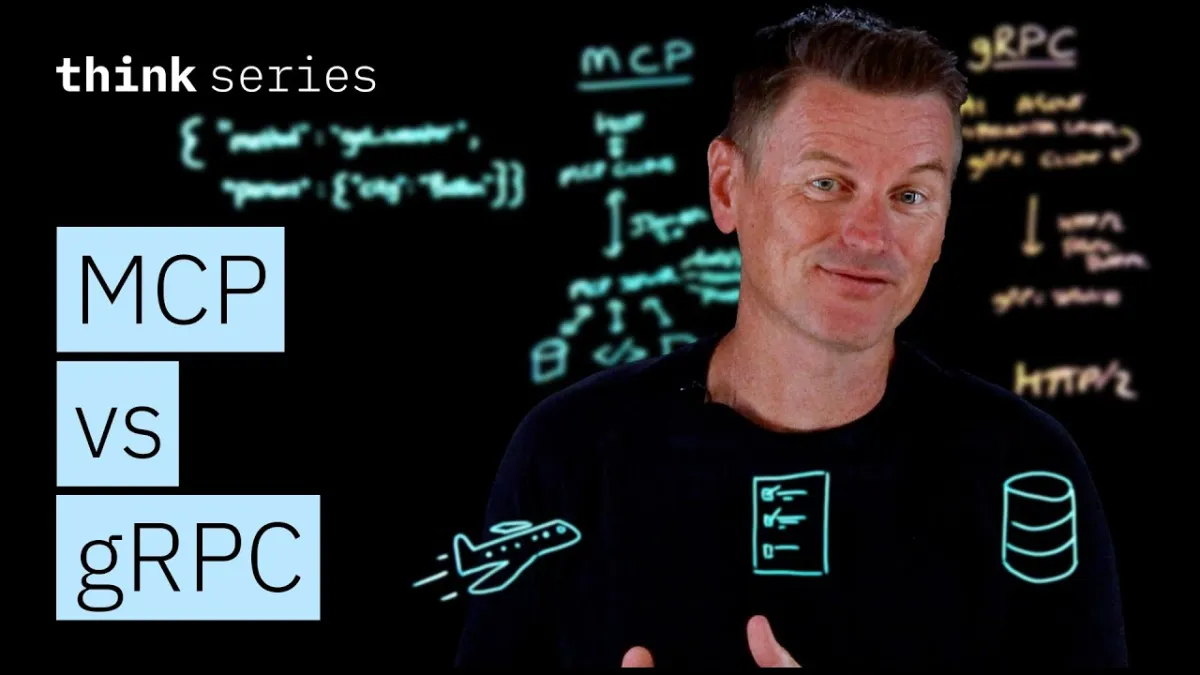
The inherent limitations of large language models, constrained by their context windows and static training data, present a fundamental challenge for the burgeoning field of agentic AI. How, then, do these text-based intelligences reliably communicate with and leverage external tools and dynamic data services? Martin Keen, a Master Inventor at IBM, presented a crucial discussion addressing this very question, delineating the distinct approaches of Model Context Protocol (MCP) and gRPC in enabling smarter integrations for modern AI systems.
Keen highlights that even LLMs with expansive context windows, such as those capable of handling 200,000 tokens, cannot possibly encompass an entire customer database, a complete codebase, or real-time data feeds. The solution, he explains, lies in empowering AI agents to act as orchestrators. "The agentic LLM becomes something of an orchestrator, intelligently deciding what information it needs and when to fetch it." This capability allows LLMs to query external systems on demand, pulling in relevant data from CRM tools, weather APIs, or databases as required, rather than attempting to hold all potential knowledge within their immediate context.