

Sam Altman, CEO of OpenAI, recently conveyed to his employees that he anticipates "the vibes to be rough out there for a bit," forecasting "temporary economic headwinds" stemming from Google's resurgent AI momentum. This candid assessment, revealed in a memo obtained by The Information and discussed on CNBC's Tech Check, underscores a significant shift in the artificial intelligence landscape. What was once perceived as a clear lead for OpenAI in the generative AI race is now facing a formidable challenge from Google, a titan with unparalleled financial resources and an expansive ecosystem.
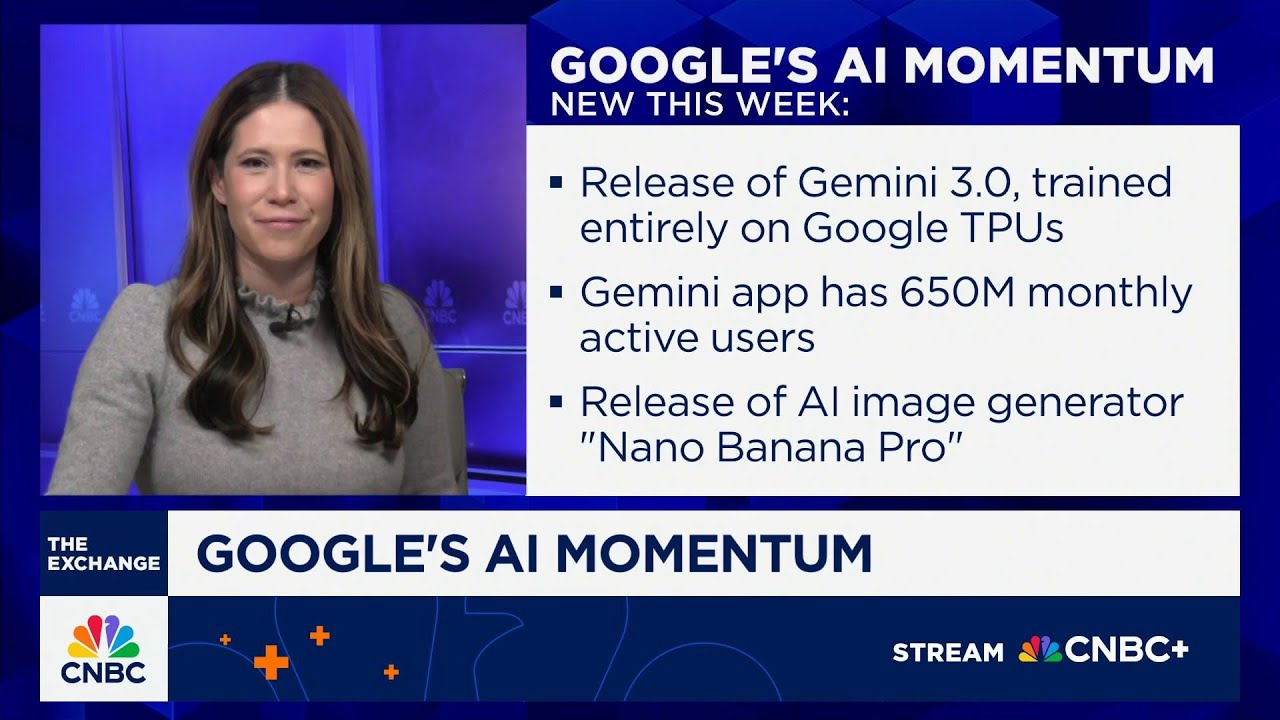
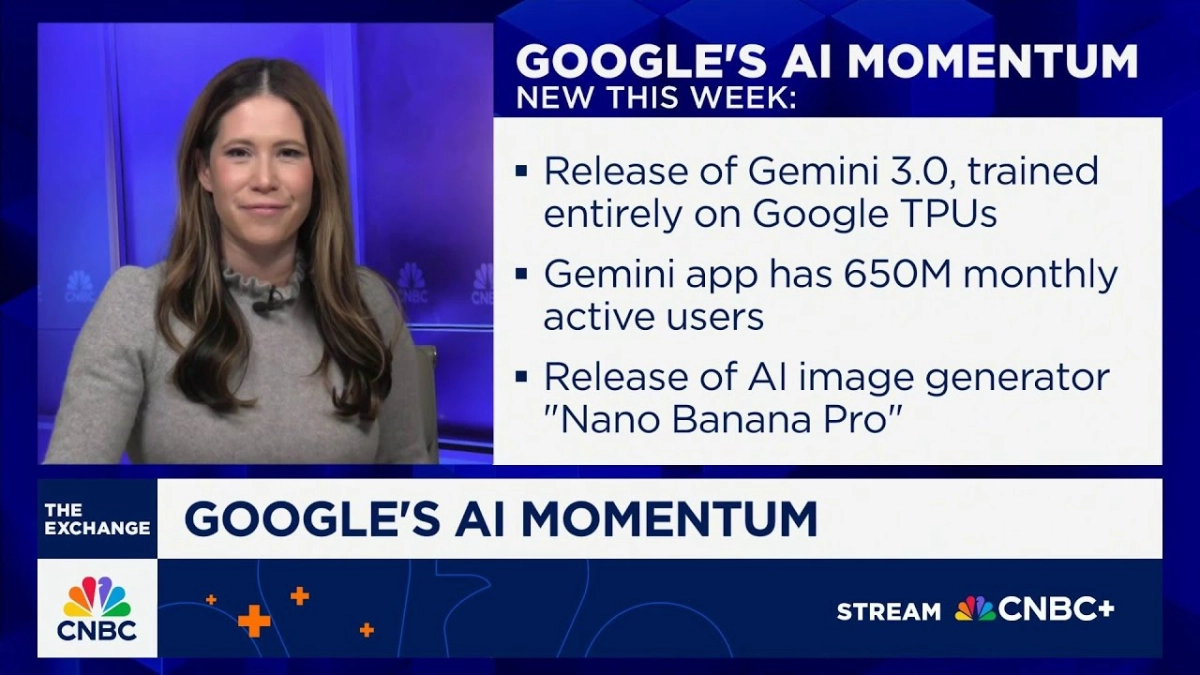
During the CNBC segment, reporter Deirdre Bosa spoke with anchor Contessa Brewer about the implications of Google's renewed focus and recent product releases. The core of the discussion centered on the stark contrast between Google's robust, self-sustaining AI strategy and OpenAI's capital-intensive model. Google's financial statements, as highlighted in the report, paint a picture of immense strength, boasting a 32% net margin, $112 billion in cash on hand, and a staggering $24.5 billion in free cash flow for Q3 2025 alone. This financial bedrock allows Google to fund its entire AI development and deployment strategy directly from its highly profitable search business, offering a stark contrast to competitors.
OpenAI, by comparison, is not yet profitable and continues to burn through capital at a rapid pace, necessitating repeated fundraising rounds. This fundamental economic disparity creates an uneven playing field. While OpenAI must consistently seek external investment to fuel its innovation and keep pace, Google possesses the inherent capacity to weather potential downturns or a cooling of the AI investment fervor. The implication is clear: a "bubble bursting or even maybe deflating could be existential for Altman and OpenAI," as Bosa succinctly put it.
Google's strategy extends beyond mere financial muscle; it encompasses a deeply integrated "full stack" approach to AI. This means controlling every layer of the technology, from the underlying infrastructure to the end-user applications. Bosa elaborated on this point, stating that Google "has the distribution, the ecosystem, the chips, the models, the products." This vertical integration ensures seamless development, optimization, and deployment, giving Google a significant advantage in bringing its AI innovations to market efficiently and at scale.
The recent release of Gemini 3.0 exemplifies this integrated strategy.