

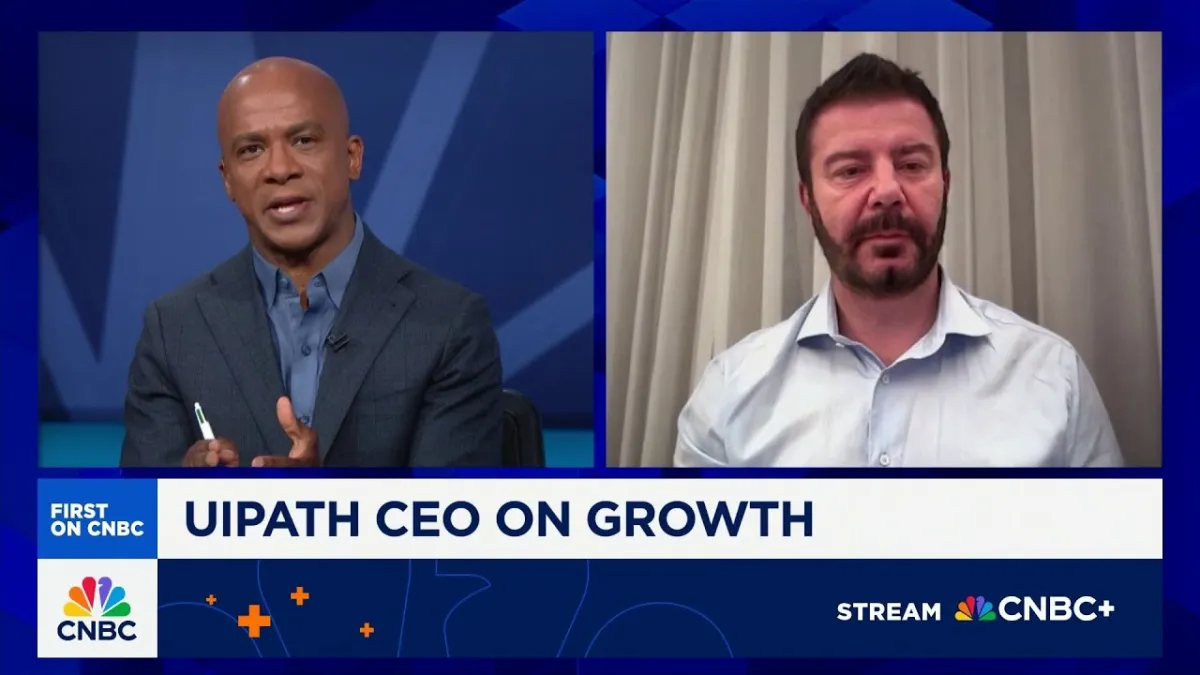
The combination of artificial intelligence and automation is not merely additive; it is profoundly multiplicative, according to Daniel Dines, Co-Founder and CEO of UiPath. Speaking with CNBC’s Jon Fortt and Morgan Brennan on "Closing Bell Overtime," Dines articulated a vision where AI fundamentally extends the reach of traditional Robotic Process Automation (RPA), unlocking new frontiers in end-to-end business process optimization. His insights illuminate the evolving landscape for enterprise technology leaders, venture capitalists, and AI strategists grappling with the practical integration of cutting-edge AI into complex operational frameworks.
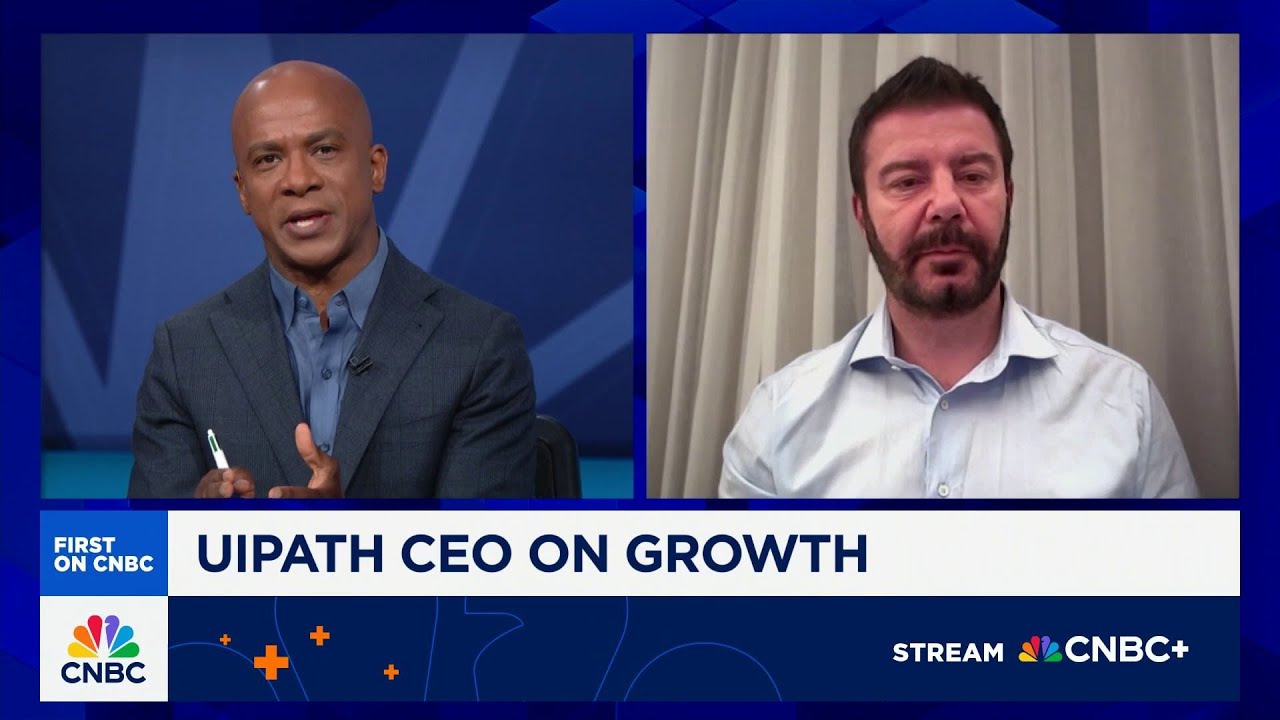
Dines spoke with Jon Fortt and Morgan Brennan at CNBC's "Closing Bell Overtime" about the transformative synergy between AI and automation, the burgeoning demand from enterprises, and UiPath's strategic positioning within this rapidly expanding domain. The discussion centered on how agentic AI capabilities are being integrated into existing automation platforms, a move that promises not just incremental efficiency gains but a fundamental re-imagining of how businesses operate. Fortt specifically probed the stability of AI demand and whether UiPath's established client base, including giants like DHL and Walmart, represented a sweet spot for this next wave of innovation.
A core insight from Dines is the inherent power derived from marrying AI with established automation. He emphasized UiPath's extensive experience in automating transactional business processes, a domain historically dominated by rule-based RPA. However, AI, particularly agentic AI, is enabling a significant expansion of this scope. Dines stated, “while RPA was a great technology for addressing processes that are rule-based in nature, AI it helps us to extend our reach.” This expansion means moving beyond predictable, repetitive tasks to tackle more complex, cognitive workloads that require adaptability and decision-making, a crucial shift for enterprises seeking deeper operational leverage. The strategic implication for founders and VCs is clear: the real value of AI in the enterprise might not be in standalone applications, but in its ability to augment and orchestrate existing automation infrastructure, creating an integrated intelligent fabric across an organization.
The CEO underscored that this combined approach is resonating strongly with customers. He noted, "the combination between AI and RPA and automation, it's extremely powerful and it's our customers resonates pretty well." This enthusiasm stems from the promise of unprecedented efficiency and cost savings, extending beyond the traditional boundaries of automation. Companies are now eyeing opportunities to apply AI to previously intractable problems, driven by a renewed interest in automation initiatives. This suggests a maturing market where initial AI skepticism is giving way to a pragmatic understanding of its potential when coupled with robust automation platforms.
Another critical insight offered by Dines concerned the foundational requirements for successful AI deployment. Many companies are realizing that effective AI integration is not a plug-and-play solution; it necessitates a strong underlying data infrastructure and established automation practices. "Many of them realize that in order to deploy AI, you need to have both a solid foundation in data and the combination again between AI and automation is extremely powerful," he explained. This perspective highlights that the current AI wave is less about replacing existing systems and more about building upon them. For tech insiders, this means that companies with mature data governance and automation programs are best positioned to capitalize on AI's transformative potential, while others will first need to shore up their digital foundations.