

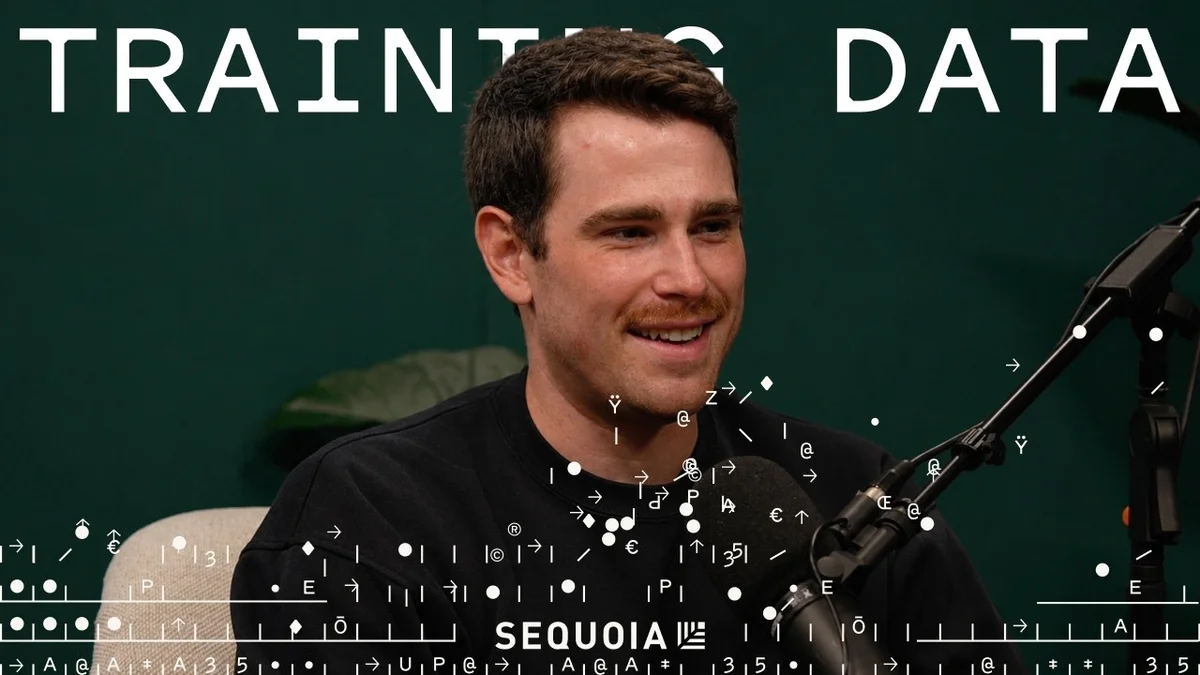
DeepMind's Kilpatrick on AI Models Eating Harnesses

Google DeepMind's Logan Kilpatrick delves into the AI concept of models "eating the harness," explaining how over-specialization hinders generalization and what can be done to prevent it.

6 min read
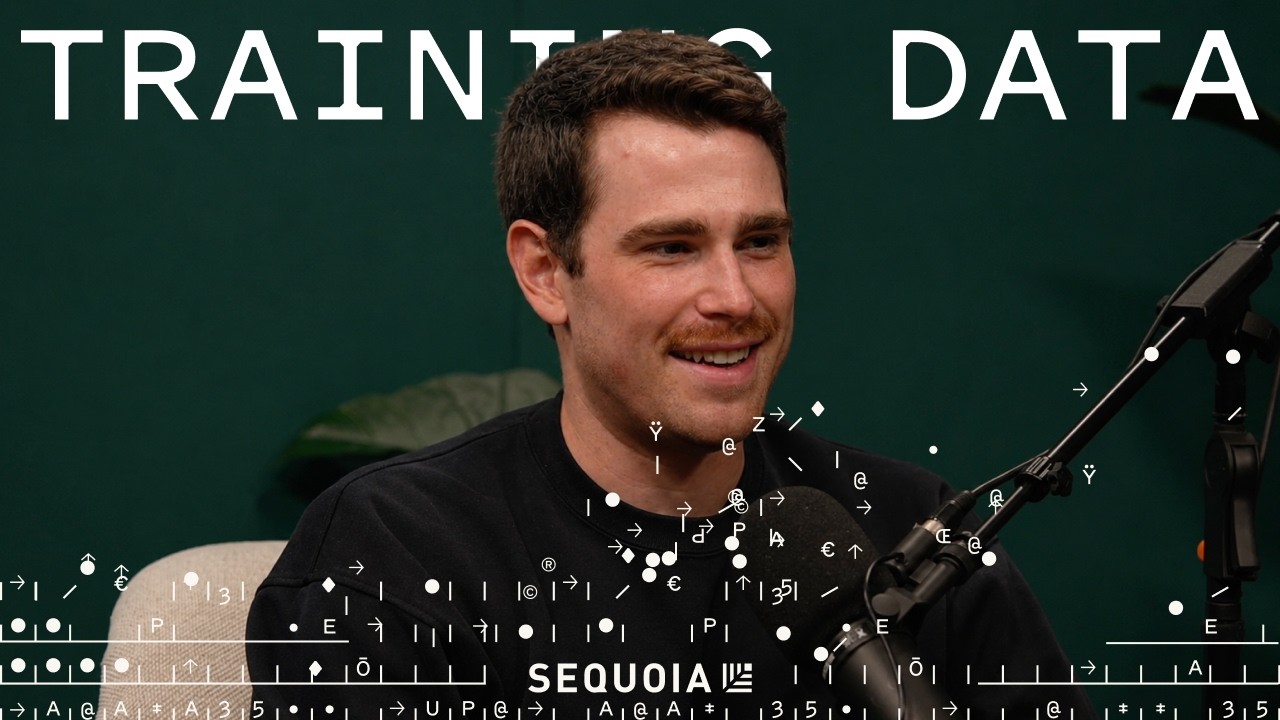
Logan Kilpatrick and an interviewer sitting in chairs, discussing AI
Sequoia Capital

In a recent discussion, Google DeepMind's Logan Kilpatrick explored a critical concept in the development of artificial intelligence models: the idea of models "eating the harness." This intriguing phrase refers to a scenario where an AI model, through its training process and the specific data it's exposed to, becomes overly specialized or constrained. Essentially, the model becomes so adept at operating within the predefined "harness" of its training that it fails to generalize or adapt to new, unseen situations.

DeepMind's Kilpatrick on AI Models Eating Harnesses - Sequoia Capital
DeepMind's Kilpatrick on AI Models Eating Harnesses — from Sequoia Capital

Visual TL;DR. AI Models Over-Specializing leads to Eating the Harness. Eating the Harness causes Hindered Generalization. Hindered Generalization results in Lack of Creativity. Logan Kilpatrick explains AI Models Over-Specializing. Logan Kilpatrick discusses Preventing Over-Specialization. Preventing Over-Specialization enables Robust AI Systems.

  1. AI Models Over-Specializing: AI models become too adept at specific training data
  2. Eating the Harness: model constrained by training data, reward signals, architecture
  3. Hindered Generalization: inability to adapt to new, unseen situations
  4. Lack of Creativity: model struggles with novel problems and unexpected scenarios
  5. Logan Kilpatrick: leads Google DeepMind's model training team
  6. Preventing Over-Specialization: strategies to ensure AI models can generalize
  7. Robust AI Systems: pursuit of more capable and adaptable AI
Visual TL;DR
Visual TL;DR — startuphub.ai AI Models Over-Specializing leads to Eating the Harness. Eating the Harness causes Hindered Generalization. Logan Kilpatrick explains AI Models Over-Specializing leads to causes explains AI Models Over-Specializing Eating the Harness Hindered Generalization Logan Kilpatrick From startuphub.ai · The publishers behind this format
Visual TL;DR — startuphub.ai AI Models Over-Specializing leads to Eating the Harness. Eating the Harness causes Hindered Generalization. Logan Kilpatrick explains AI Models Over-Specializing leads to causes explains AI ModelsOver-Specializing Eating theHarness HinderedGeneralization Logan Kilpatrick From startuphub.ai · The publishers behind this format
Visual TL;DR — startuphub.ai AI Models Over-Specializing leads to Eating the Harness. Eating the Harness causes Hindered Generalization. Logan Kilpatrick explains AI Models Over-Specializing leads to causes explains AI Models Over-Specializing AI models become too adept at specifictraining data Eating the Harness model constrained by training data, rewardsignals, architecture Hindered Generalization inability to adapt to new, unseensituations Logan Kilpatrick leads Google DeepMind's model trainingteam From startuphub.ai · The publishers behind this format
Visual TL;DR — startuphub.ai AI Models Over-Specializing leads to Eating the Harness. Eating the Harness causes Hindered Generalization. Logan Kilpatrick explains AI Models Over-Specializing leads to causes explains AI ModelsOver-Specializing AI models becometoo adept atspecific training… Eating theHarness model constrainedby training data,reward signals,… HinderedGeneralization inability to adaptto new, unseensituations Logan Kilpatrick leads GoogleDeepMind's modeltraining team From startuphub.ai · The publishers behind this format
Visual TL;DR — startuphub.ai AI Models Over-Specializing leads to Eating the Harness. Eating the Harness causes Hindered Generalization. Hindered Generalization results in Lack of Creativity. Logan Kilpatrick explains AI Models Over-Specializing. Logan Kilpatrick discusses Preventing Over-Specialization. Preventing Over-Specialization enables Robust AI Systems leads to causes results in explains discusses enables AI Models Over-Specializing AI models become too adept at specifictraining data Eating the Harness model constrained by training data, rewardsignals, architecture Hindered Generalization inability to adapt to new, unseensituations Lack of Creativity model struggles with novel problems andunexpected scenarios Logan Kilpatrick leads Google DeepMind's model trainingteam Preventing Over-Specialization strategies to ensure AI models cangeneralize Robust AI Systems pursuit of more capable and adaptable AI From startuphub.ai · The publishers behind this format
Visual TL;DR — startuphub.ai AI Models Over-Specializing leads to Eating the Harness. Eating the Harness causes Hindered Generalization. Hindered Generalization results in Lack of Creativity. Logan Kilpatrick explains AI Models Over-Specializing. Logan Kilpatrick discusses Preventing Over-Specialization. Preventing Over-Specialization enables Robust AI Systems leads to causes results in explains discusses enables AI ModelsOver-Specializing AI models becometoo adept atspecific training… Eating theHarness model constrainedby training data,reward signals,… HinderedGeneralization inability to adaptto new, unseensituations Lack ofCreativity model struggleswith novel problemsand unexpected… Logan Kilpatrick leads GoogleDeepMind's modeltraining team PreventingOver-Specialization strategies toensure AI modelscan generalize Robust AI Systems pursuit of morecapable andadaptable AI From startuphub.ai · The publishers behind this format

Kilpatrick, who leads the model training team at Google DeepMind, elaborated on why this phenomenon is a significant hurdle in the pursuit of more robust and generally capable AI systems. The "harness" he described can be understood as the collection of data, reward signals, and architectural choices that guide an AI's learning process. When a model becomes too reliant on this harness, it can lead to a lack of creativity, an inability to handle novel problems, and a failure to achieve truly intelligent behavior.
Related startups

The core of the issue lies in the balance between specialization and generalization. While AI models need to be trained on specific data to perform tasks, an over-emphasis on narrow optimization can stifle their ability to learn and adapt in broader contexts. Kilpatrick suggested that overcoming this requires a deliberate focus on designing models and training methodologies that encourage exploration beyond the initial constraints. This includes exposing models to a wider variety of data, developing reward mechanisms that incentivize exploration, and fostering architectures that are inherently more flexible.

© 2026 StartupHub.ai. All rights reserved. Do not enter, scrape, copy, reproduce, or republish this article in whole or in part. Use as input to AI training, fine-tuning, retrieval-augmented generation, or any machine-learning system is prohibited without written license. Substantially-similar derivative works will be pursued to the fullest extent of applicable copyright, database, and computer-misuse laws. See our terms.