

#Distributed Systems
12 articles with this tag
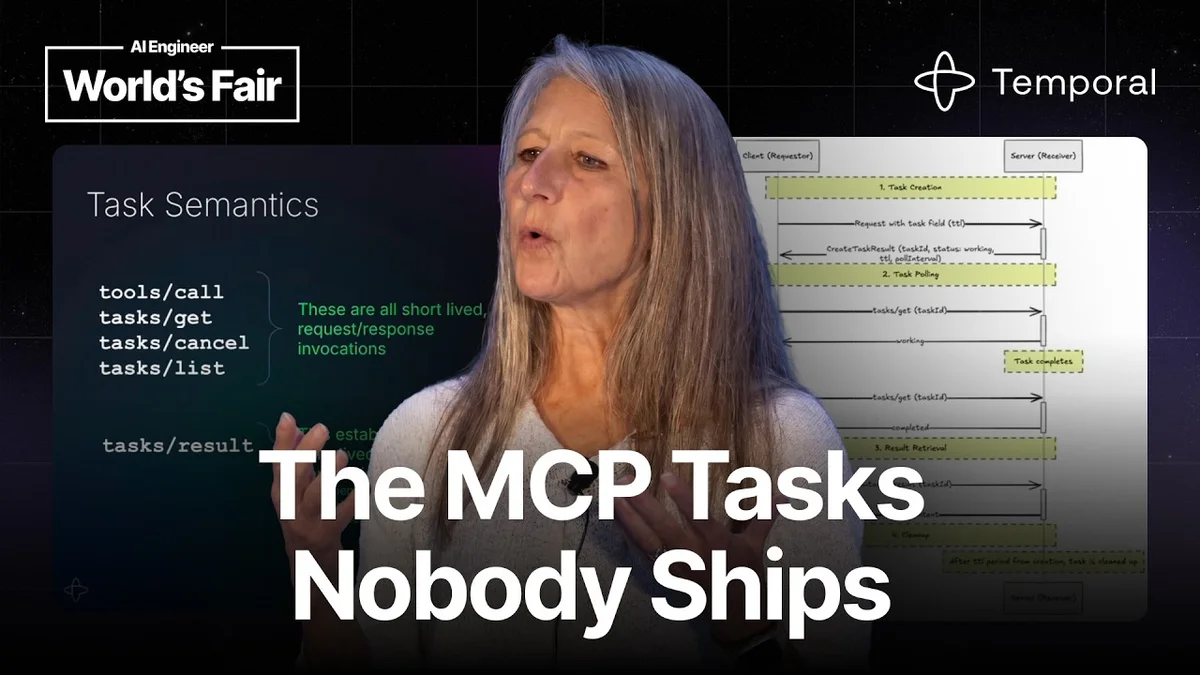
MCP Tasks: Why Agents Aren't Supporting Them
Cornelia Davis of Temporal explains why MCP tasks are complex and why adoption is slow, previewing V2 improvements.
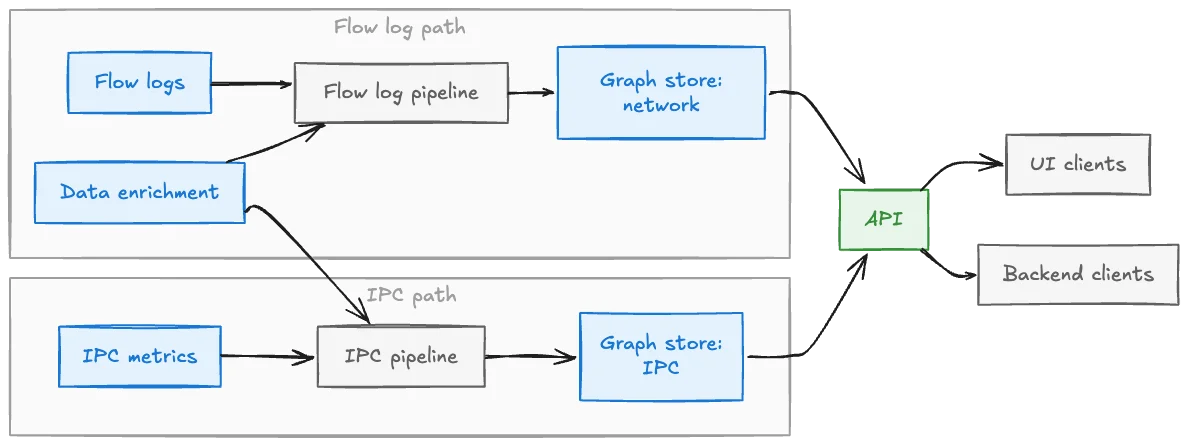
Netflix's Real-Time Service Map Pipeline
Netflix’s real-time service map pipeline uses a streaming-first, three-stage architecture to visualize complex service dependencies at scale.

Uber's Zone Failure Resilience for OpenSearch
Uber details how Zone Failure Resilience (ZFR) for OpenSearch is achieved using isolation groups and forced shard allocation awareness to maintain stability during zone outages.
Flue Framework: Cloudflare's Agent Push
Cloudflare introduces the Flue framework, enabling developers to build production-grade AI agents with durable execution and secure code capabilities.

Uber's Knapsack Problem
Uber's Tarot platform employs a sophisticated Multiple Knapsack Problem solver to optimize incentive allocation, balancing user experience with strict budget constraints.

Uber's Smart Database Overload Fix
Uber evolved its database overload protection from static rate-limiting to an intelligent, priority-aware system called Cinnamon, enhancing stability and user experience.

Cursor's RL Infrastructure for Training Composer
Cursor details its distributed infrastructure for training its AI coding model, Composer, using reinforcement learning on 'Fireworks'.

LinkedIn Overhauls Log Storage
LinkedIn replaces its Kafka log storage with Northguard and Xinfra for improved scalability and operability to handle over 1.2 billion members.
Architecting LLM Agents: The SDB Primitive
Architecting reliable production LLM agents hinges on the Stochastic-Deterministic Boundary (SDB) and a catalog of runtime patterns.
Databricks Reimagines Serverless Compute
Databricks is overhauling distributed systems for serverless compute, enhancing stability and performance through Spark Connect, intelligent routing, and adaptive autoscaling.

llm-d Enters CNCF Sandbox
The llm-d project's entry into the CNCF Sandbox marks a pivotal moment for cloud-native AI inference and open infrastructure.

AI Agent Orchestration: Building Reliable Systems
Multi-agent AI systems often fail due to a lack of explicit structure, not capability, demanding engineering patterns like typed schemas, action schemas, and robust protocols.