Visual TL;DR
AI's Current LimitationsDriver
struggles with trivial human/animal tasks, lacks common sense
From the article 4 mentionsThe talk concluded with a call for continued research into building more comprehensive cognitive architectures that can learn and reason about the world, moving beyond the current limitations of specialized AI models.
Need for World ModelsContext
key to next AI revolution, understanding the world
From the article 8 mentionsTo bridge this gap, LeCun emphasized the need for AI systems to build "world models." These models, he explained, are internal representations of the environment that allow an agent to predict the consequences of its actions.
Human/Animal Learning BlueprintContext
learning from real-world data, minimal prior training
From the article 2 mentionsLeCun began by highlighting the paradox of current AI: while models can write code, pass exams, and even prove theorems, they struggle with tasks that humans and animals find trivial.
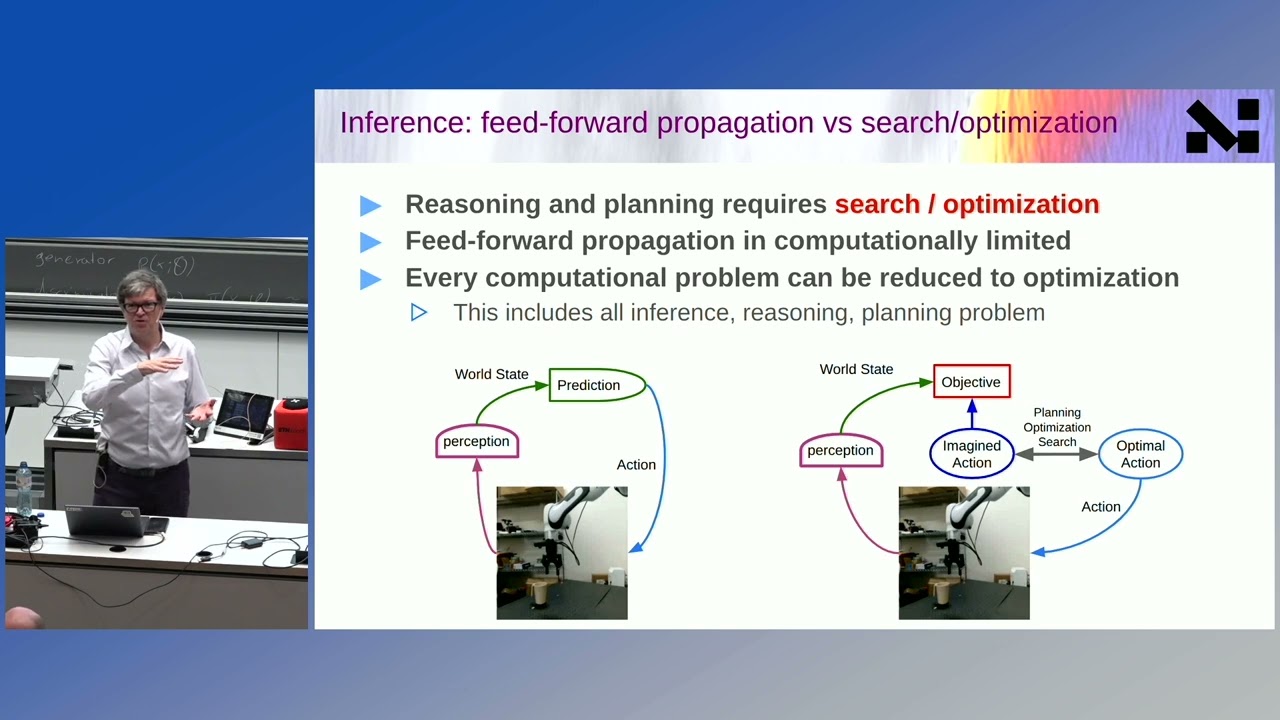
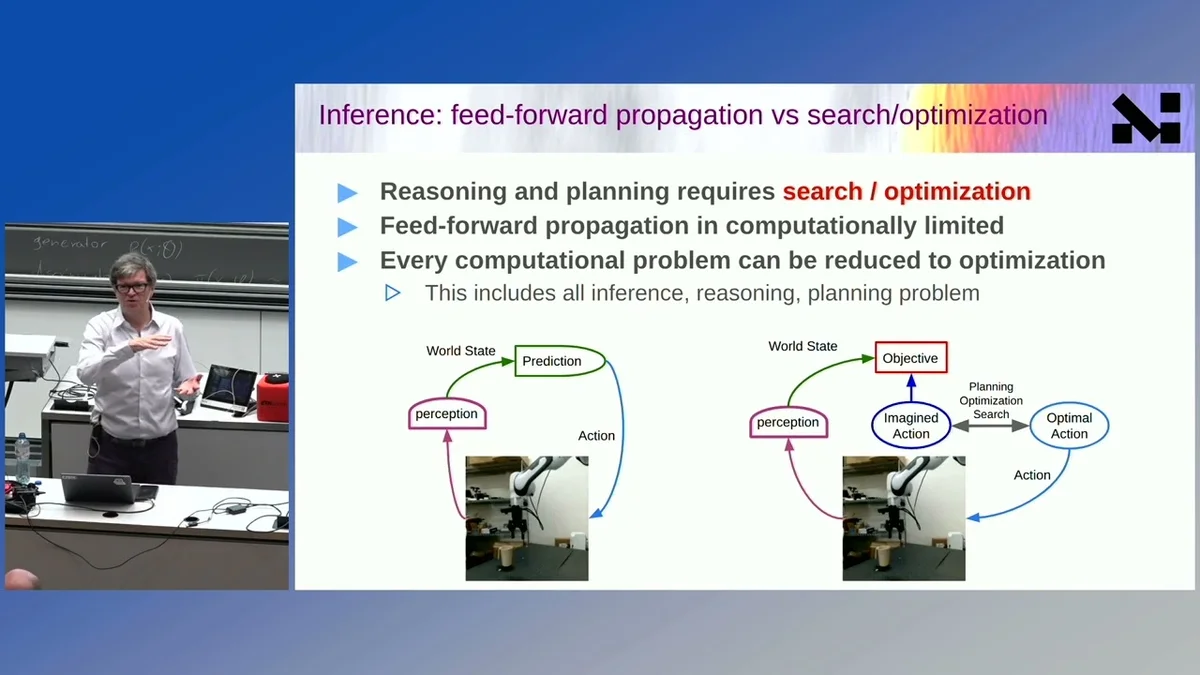
Objective-Driven ArchitectureCore
focus on prediction and planning
From the article 4 mentionsLeCun outlined his vision for an "objective-driven architecture" for AI.
Generative PredictionCore
path forward for AI, predicting future states
From the article 3 mentionsLeCun also touched upon self-supervised learning through generative prediction, noting its success with discrete symbol sequences like text.
AI RevolutionEffect
achieving human-level intelligence and understanding
From the articleIn a talk at ETH Zürich during the "Frontiers of Embodied AI" event, Yann LeCun, a pioneer in AI and a professor at New York University, discussed the critical role of "World Models" in enabling the next AI revolution.