

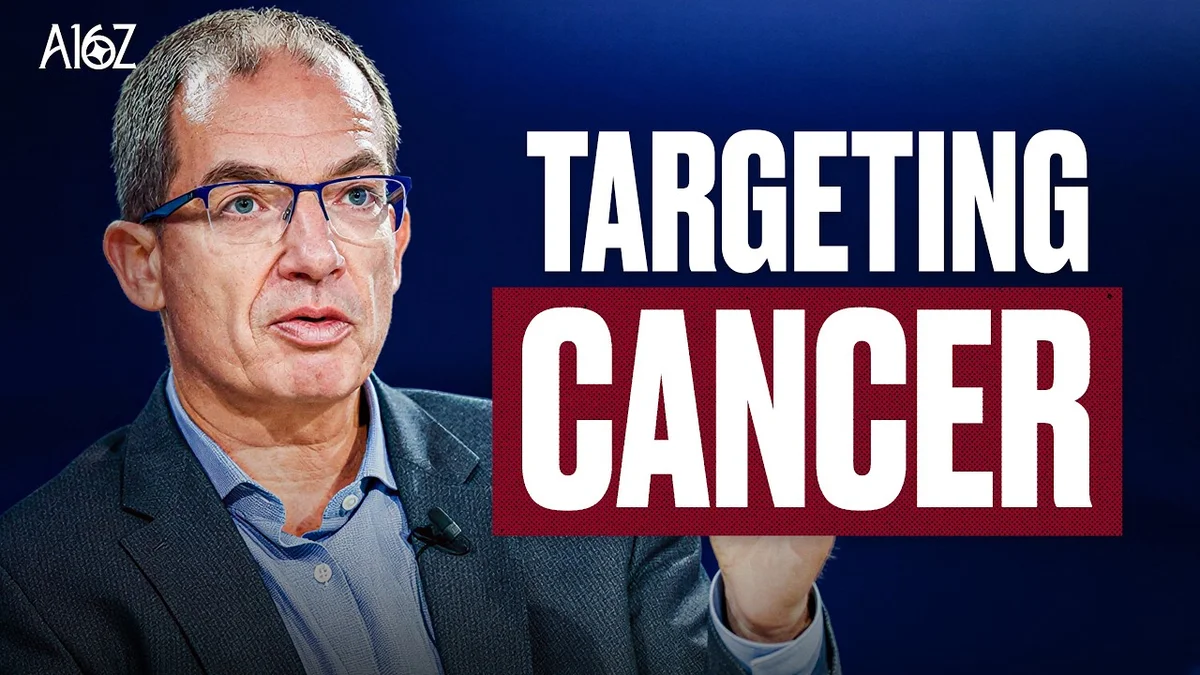
Today in AI: mRNA Cancer Vaccine Clears Phase 3

Moderna and Merck said their personalized mRNA cancer vaccine hit phase 3 endpoints in melanoma, the first success after 1,000 failures.

Moderna and Merck mRNA cancer vaccine phase 3 melanoma results discussed on podcast
Moderna and Merck reported positive phase 3 results for their personalized mRNA cancer vaccine in melanoma.· a16z
Contents(5)

Moderna and Merck said in early August that their personalized mRNA cancer vaccine hit its primary endpoint in a melanoma phase 3 trial.

Companies working on this

StartupHub profiles of the companies this article names, with funding and a one-liner from our database.

Moderna
$4.5B
Moderna is a biotechnology company pioneering mRNA medicine, best known for its COVID-19 vaccine and a broad pipeline of mRNA-based therapeutics.
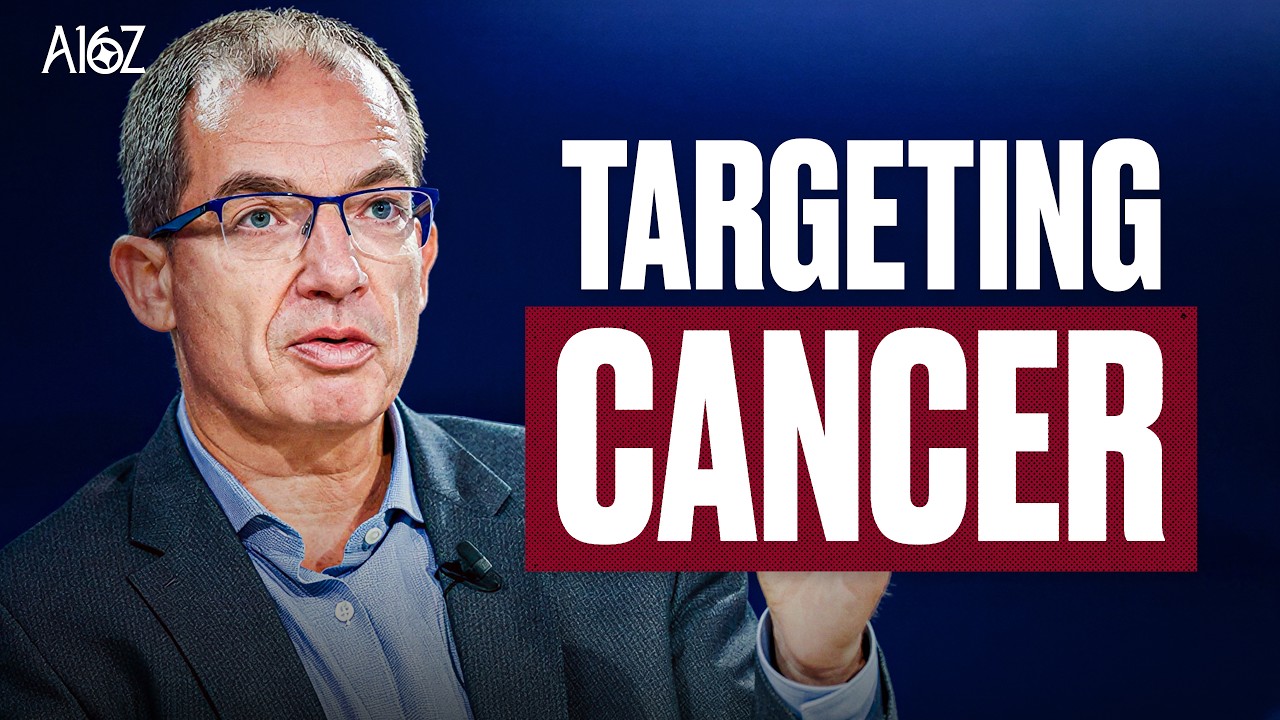
Today in AI: mRNA Cancer Vaccine Clears Phase 3 - a16z
Today in AI: mRNA Cancer Vaccine Clears Phase 3, from a16z

Moderna CEO Stephane Bancel walked through the result on the a16z podcast in August 2026, calling it the first working cancer vaccine after more than 20 years and over 1,000 failed trials.

What made mRNA work after a thousand failures?

Earlier cancer vaccines mostly used peptides or proteins made in bioreactors. Those molecules circulate in the blood and are seen from outside the immune cell.

Moderna argues its mRNA travels to lymph nodes, slips into antigen-presenting cells, and gets translated and presented from within. That changes how T cells learn.

The delivery is paired with full personalization. The company sequences the tumor against healthy tissue, picks 34 neoantigens with an algorithm, and finds that 90 percent of those antigens differ from patient to patient.

Why Keytruda alone was not enough

Keytruda, Merck's PD-1 checkpoint inhibitor, essentially releases the brakes on existing immune cells and cures about 60 percent of melanoma patients at five years.

The other 40 percent get no durable benefit, yet they still carry the autoimmune risks of checkpoints, including type 1 diabetes, lupus, and Crohn's disease, all listed on the label.

Moderna's shot is designed to be orthogonal. It teaches T cells the exact molecular signature Keytruda missed, instead of just unleashing them.

What gets regulated when every dose is different?

Regulators do not approve each bespoke dose. They approve the entire manufacturing process as a process BLA, the same pathway used for CAR-T cell therapies.

Moderna said the FDA has treated its IND as a process IND for years, with end-of-phase-2 meetings and ongoing questions about showing that the same input tumor and blood sequences reliably produce the same output product.

The operational edge is a small, enzymatic, cell-free synthesis in Marlborough, Massachusetts, now running at about 42 days needle to needle and tens of thousands of doses per year, with a filing targeted for 2027.

The phase 2 signal, a roughly 50 percent improvement in recurrence-free survival versus Keytruda alone and 80 percent disease-free at five years, suggests the process can scale clinically.

The real test is whether the same benefit holds across lung, kidney, bladder, and checkpoint-resistant tumors like pancreatic cancer, and whether algorithm version 1.0 can be improved to rescue the 20 percent who still recur.

Frequently Asked Questions

Is this a preventive vaccine?

No. It is therapeutic, given after surgery to prevent recurrence and distant metastasis.

Moderna calls it a vaccine because it teaches the immune system a new antigen signature, much like infectious-disease shots do.

How is a dose made for one person?

The team biopsies the tumor, sequences its DNA, and compares it nucleotide by nucleotide to healthy cells to find mutations.

An algorithm selects the top 34 neoantigens and stitches them into a single mRNA molecule made synthetically in about 30 days.

© 2026 StartupHub.ai. All rights reserved. You may not republish this article in full without a license. Search engines and AI research tools may crawl and summarize for reference. Bulk reproduction or model training requires a license. See our terms.
Daniel Singer

Written by

Daniel Singer

Editor, StartupHub.ai

Daniel Singer is the editor of StartupHub.ai, a technology expert and thought leader on AI and its applications across sectors, from fintech and healthcare to developer tooling and consumer software. He writes and tests the tools covered here thoroughly and regularly, and built StartupHub.ai to give founders, operators and buyers a clearer read on what they are actually being sold.

More from Daniel Singer

Startups in this story

Profiles for the companies named above.