


Picking AI Winners: Scale & Value Capture

a16z's David George discusses the shift in AI investment from model capabilities to scale and value capture, highlighting key factors for startup success.

5 min read
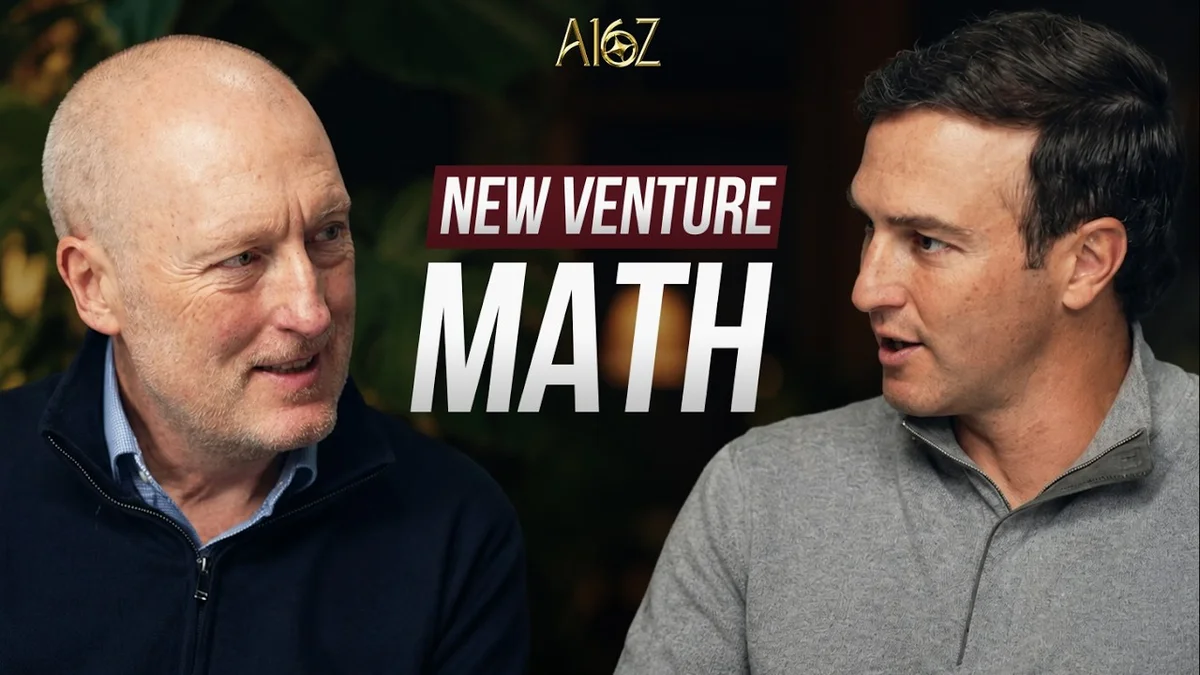
David George, General Partner at a16z, speaking during an interview about picking AI winners.
David George, General Partner at a16z, discussing the critical factors for success in the AI industry.· a16z
Visual TL;DR
AI Investment ShiftDriver
focus moves from model capabilities to practical application
From the article 3 mentionsWith numerous companies vying for attention and investment, differentiation is crucial.
Foundational ModelsContext
initial hype around pure technological advancement
From the article 6 mentionsHe noted that the market has moved beyond the initial hype around foundational models to a more nuanced understanding of how these technologies can be applied to solve real-world problems and generate revenue.
Scale & Value CaptureCore
key differentiators for startup success in AI
From the article 2 mentions"We've seen the market shift from pure model capabilities to thinking about scale and value capture," George explained.
Real-World ProblemsContext
applying AI to solve tangible issues
From the article 2 mentionsHe noted that the market has moved beyond the initial hype around foundational models to a more nuanced understanding of how these technologies can be applied to solve real-world problems and generate revenue.
Scalable ProductsEffect
translating AI capability into market-ready solutions
From the article 4 mentionsGeorge pointed out that while AI models are becoming increasingly capable, the real differentiator for startups is their ability to effectively translate that capability into scalable, valuable products.
Revenue GenerationOutcome
ability to create sustainable income streams
From the articleHe noted that the market has moved beyond the initial hype around foundational models to a more nuanced understanding of how these technologies can be applied to solve real-world problems and generate revenue.
Startup SuccessOutcome
achieving sustained growth and market leadership
From the article 5 mentionsHe emphasized that in the current AI environment, several factors are crucial for a startup's success.

Contents(3)

In the rapidly evolving world of artificial intelligence, identifying the companies poised for sustained success is a key challenge for investors and entrepreneurs alike. David George, General Partner at a16z Growth, shared insights on "The Rule for Picking AI Winners" during a recent episode of The a16z Show. The discussion highlighted a critical shift in focus from pure technological advancement to the practical aspects of scaling and capturing value in the market.

Picking AI Winners: Scale & Value Capture - a16z
Picking AI Winners: Scale & Value Capture, from a16z

The Shifting Landscape of AI Investment

George pointed out that while AI models are becoming increasingly capable, the real differentiator for startups is their ability to effectively translate that capability into scalable, valuable products. He noted that the market has moved beyond the initial hype around foundational models to a more nuanced understanding of how these technologies can be applied to solve real-world problems and generate revenue.

"We've seen the market shift from pure model capabilities to thinking about scale and value capture," George explained. "The companies that are going to win are the ones that can demonstrate product-market fit and really capture value in the market. It’s not just about having the best model; it’s about having a go-to-market strategy that works."

Key Factors for AI Success

He emphasized that in the current AI environment, several factors are crucial for a startup's success. Firstly, the ability to leverage existing foundational models and open-source technologies is key, as building everything from scratch is often impractical and inefficient. Secondly, a strong focus on product development that addresses specific customer needs and pain points is paramount.

"What we've observed is that the companies that are doing well are those that are building on top of existing technologies," George stated. "They're not trying to reinvent the wheel. They're focused on building really great products that solve specific problems for their customers."

Furthermore, George highlighted the importance of a clear and executable go-to-market strategy. This includes understanding how to price products, reach customers, and build a sustainable business model. He noted that the rapid pace of AI development means that companies need to be agile and adaptable, constantly iterating and improving their offerings.

The discussion also touched upon the competitive nature of the AI market. With numerous companies vying for attention and investment, differentiation is crucial. George suggested that startups need to identify unique value propositions and focus on building defensible moats, whether through proprietary data, unique go-to-market strategies, or exceptional execution.

He also touched upon the evolving role of compute and data, noting that while access to powerful computing resources is essential, it's the ability to effectively leverage data and build proprietary datasets that will truly set leading companies apart. "It's not just about having access to compute," George said. "It's about how you use that compute, how you leverage your data, and how you build a business that can scale."

The conversation underscored that while the AI revolution is undoubtedly underway, success in this dynamic field requires a strategic approach that balances technological innovation with a deep understanding of market needs and business fundamentals.

© 2026 StartupHub.ai. All rights reserved. You may not republish this article in full without a license. Search engines and AI research tools may crawl and summarize for reference. Bulk reproduction or model training requires a license. See our terms.