


Nvidia's Carter Abdallah on Local AI Models

Nvidia's Carter Abdallah discusses why enterprises are moving to local AI models for trust, control, and optimization.

8 min read
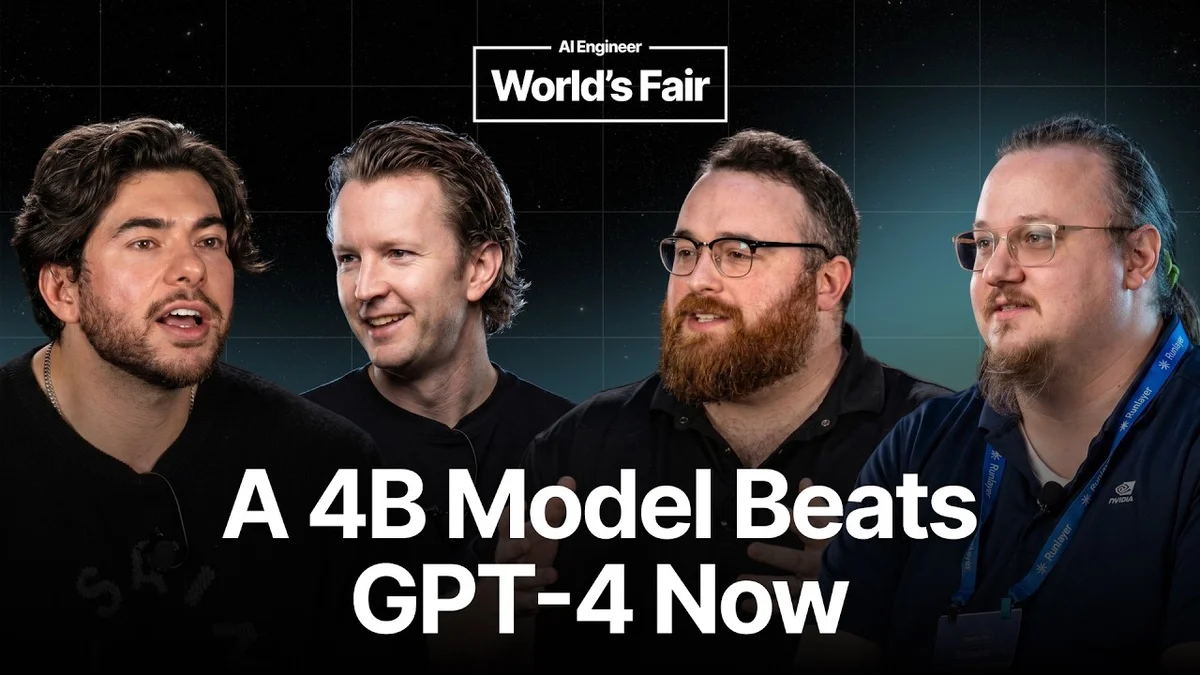
Carter Abdallah speaking at a conference about AI models.
AI Engineer

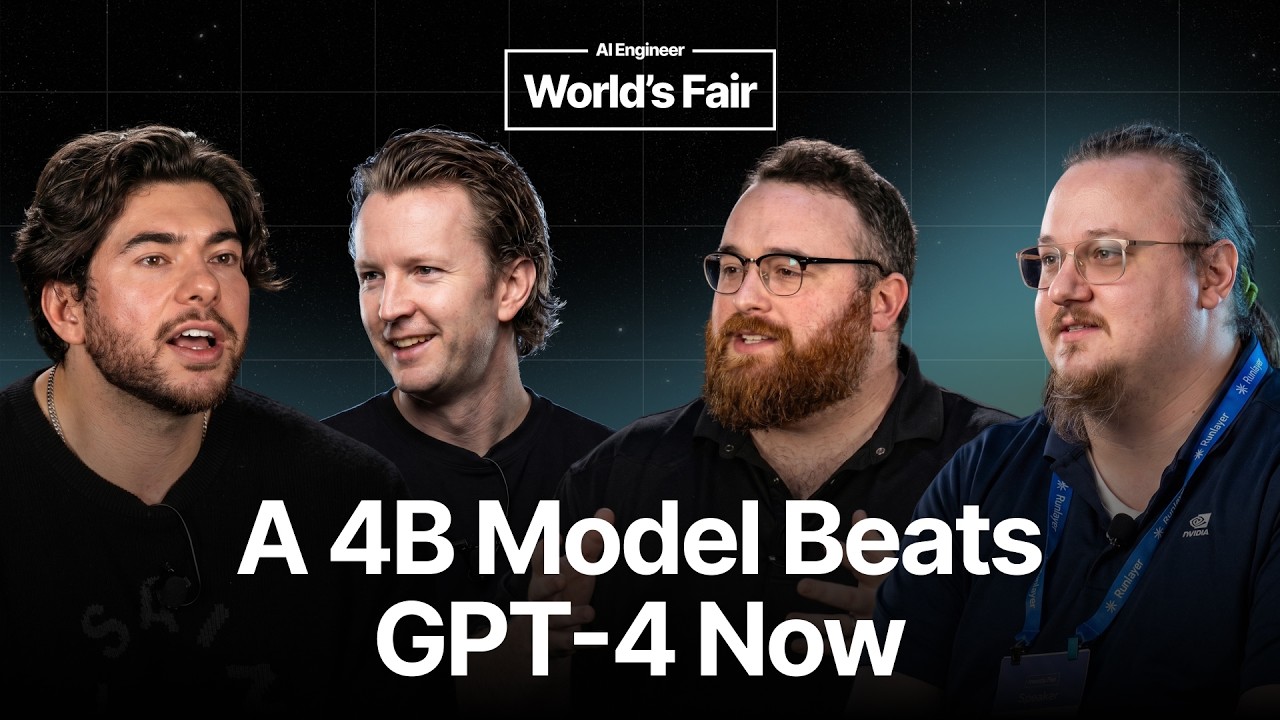
Visual TL;DR. Uncertain Frontier AI leads to Enterprises Migrate. Enterprises Migrate due to Local Models Benefits. Carter Abdallah (Nvidia) explains Local Models Benefits. Trust & Control drives Local Models Benefits. Optimized Performance drives Local Models Benefits. Uncertain Frontier AI causes Shift from Frontier. Shift from Frontier results in Enterprises Migrate.

  1. Uncertain Frontier AI: access to cutting-edge AI systems became uncertain for enterprises
  2. Enterprises Migrate: businesses began migrating to Chinese open models and local AI solutions
  3. Carter Abdallah (Nvidia): Nvidia's expert discusses enterprise AI adoption and model deployment implications
  4. Local Models Benefits: driven by desire for greater trust, enhanced control, and optimized performance
  5. Trust & Control: businesses want more control over their AI technologies and data
  6. Optimized Performance: seeking better performance tailored to specific enterprise needs
  7. Shift from Frontier: growing unease among businesses regarding control and accessibility of AI
Visual TL;DR
Visual TL;DR, startuphub.ai Uncertain Frontier AI leads to Enterprises Migrate. Enterprises Migrate due to Local Models Benefits. Carter Abdallah (Nvidia) explains Local Models Benefits leads to due to explains Uncertain Frontier AI Enterprises Migrate Carter Abdallah (Nvidia) Local Models Benefits From startuphub.ai · The publishers behind this format
Visual TL;DR, startuphub.ai Uncertain Frontier AI leads to Enterprises Migrate. Enterprises Migrate due to Local Models Benefits. Carter Abdallah (Nvidia) explains Local Models Benefits leads to due to explains UncertainFrontier AI EnterprisesMigrate Carter Abdallah(Nvidia) Local ModelsBenefits From startuphub.ai · The publishers behind this format
Visual TL;DR, startuphub.ai Uncertain Frontier AI leads to Enterprises Migrate. Enterprises Migrate due to Local Models Benefits. Carter Abdallah (Nvidia) explains Local Models Benefits leads to due to explains Uncertain Frontier AI access to cutting-edge AI systems becameuncertain for enterprises Enterprises Migrate businesses began migrating to Chinese openmodels and local AI solutions Carter Abdallah (Nvidia) Nvidia's expert discusses enterprise AIadoption and model deployment implications Local Models Benefits driven by desire for greater trust,enhanced control, and optimizedperformance From startuphub.ai · The publishers behind this format
Visual TL;DR, startuphub.ai Uncertain Frontier AI leads to Enterprises Migrate. Enterprises Migrate due to Local Models Benefits. Carter Abdallah (Nvidia) explains Local Models Benefits leads to due to explains UncertainFrontier AI access tocutting-edge AIsystems became… EnterprisesMigrate businesses beganmigrating toChinese open models… Carter Abdallah(Nvidia) Nvidia's expertdiscussesenterprise AI… Local ModelsBenefits driven by desirefor greater trust,enhanced control,… From startuphub.ai · The publishers behind this format
Visual TL;DR, startuphub.ai Uncertain Frontier AI leads to Enterprises Migrate. Enterprises Migrate due to Local Models Benefits. Carter Abdallah (Nvidia) explains Local Models Benefits. Trust & Control drives Local Models Benefits. Optimized Performance drives Local Models Benefits. Uncertain Frontier AI causes Shift from Frontier. Shift from Frontier results in Enterprises Migrate leads to due to explains drives drives causes results in Uncertain Frontier AI access to cutting-edge AI systems becameuncertain for enterprises Enterprises Migrate businesses began migrating to Chinese openmodels and local AI solutions Carter Abdallah (Nvidia) Nvidia's expert discusses enterprise AIadoption and model deployment implications Local Models Benefits driven by desire for greater trust,enhanced control, and optimizedperformance Trust & Control businesses want more control over their AItechnologies and data Optimized Performance seeking better performance tailored tospecific enterprise needs Shift from Frontier growing unease among businesses regardingcontrol and accessibility of AI From startuphub.ai · The publishers behind this format
Visual TL;DR, startuphub.ai Uncertain Frontier AI leads to Enterprises Migrate. Enterprises Migrate due to Local Models Benefits. Carter Abdallah (Nvidia) explains Local Models Benefits. Trust & Control drives Local Models Benefits. Optimized Performance drives Local Models Benefits. Uncertain Frontier AI causes Shift from Frontier. Shift from Frontier results in Enterprises Migrate leads to due to explains drives drives causes results in UncertainFrontier AI access tocutting-edge AIsystems became… EnterprisesMigrate businesses beganmigrating toChinese open models… Carter Abdallah(Nvidia) Nvidia's expertdiscussesenterprise AI… Local ModelsBenefits driven by desirefor greater trust,enhanced control,… Trust & Control businesses wantmore control overtheir AI… OptimizedPerformance seeking betterperformancetailored to… Shift fromFrontier growing uneaseamong businessesregarding control… From startuphub.ai · The publishers behind this format

When access to frontier AI systems became uncertain, Lucas Atkins observed a significant trend: enterprises began migrating to Chinese open models. This shift, detailed in a presentation by Carter Abdallah of Nvidia, highlights a growing unease among businesses regarding the control and accessibility of cutting-edge AI technologies. The core of this concern revolves around the desire for greater trust, enhanced control, and optimized performance, all of which are driving the adoption of local AI models.

Nvidia's Carter Abdallah on Local AI Models - AI Engineer
Nvidia's Carter Abdallah on Local AI Models — from AI Engineer

Who Is Carter Abdallah

Carter Abdallah, representing Nvidia, brings a deep understanding of the AI hardware and software ecosystem. His insights into enterprise AI adoption are informed by Nvidia's central role in providing the computational power and platforms that underpin modern AI development. Abdallah's perspective is crucial for understanding the practical implications of AI model deployment for businesses navigating an evolving technological landscape.

The Case for Local Models: Trust, Control, and Optimization

The narrative presented underscores a critical inflection point in AI adoption. The initial promise of easily accessible frontier models is being tempered by realities of potential vendor lock-in and geopolitical uncertainties. This has spurred a demand for solutions that offer more autonomy and security. Local models, deployed within an organization's own infrastructure, directly address these needs.

Trust is paramount for businesses handling sensitive data. Running AI models locally ensures that proprietary information never leaves the company's network, mitigating risks associated with data breaches or unauthorized access. This inherent security builds confidence and allows for the deployment of AI in highly regulated industries.

Control is another major driver. When models are run locally, organizations have full command over their deployment, fine-tuning, and updates. This freedom from external dependencies allows for greater agility in responding to market changes and tailoring AI solutions to specific business requirements. It means not being subject to the whims of third-party API changes or service disruptions.

Optimization refers to the ability to fine-tune models for specific tasks and hardware. Local deployments allow for deep integration with existing IT infrastructure, enabling performance tuning that might be impossible with cloud-based services. This can lead to faster inference times, lower operational costs, and more efficient resource utilization, particularly when leveraging specialized hardware like Nvidia (NASDAQ:NVDA) GPUs.

The Shift Away from Frontier Systems

The description points to a specific catalyst for this trend: the perceived risk associated with relying on frontier systems, which are often proprietary and managed by a limited number of providers. When the guarantee of access to these powerful models began to waver, businesses started looking for alternatives. This is where the allure of open models, particularly those originating from China, came into play, offering a different path to advanced AI capabilities.

However, the move towards Chinese open models is not necessarily a definitive endorsement but rather a pragmatic response to immediate concerns. The underlying desire remains for robust, secure, and manageable AI solutions. This is why the focus is now shifting towards the infrastructure and strategies required to bring AI capabilities in-house.

Implications for the AI Startup Ecosystem

This development has significant implications for AI startups and established tech companies alike. Startups that can offer solutions for deploying, managing, and optimizing local AI models stand to gain considerable traction. This includes tools for model quantization, efficient inference engines, and platforms that simplify the on-premises deployment of complex AI architectures.

For larger enterprises, the challenge lies in building the internal expertise and infrastructure to support local AI deployments. This may involve significant investment in hardware, software, and skilled personnel. The trend suggests a future where AI is not just a service consumed from the cloud but a core, internally managed component of business operations.

© 2026 StartupHub.ai. All rights reserved. Do not enter, scrape, copy, reproduce, or republish this article in whole or in part. Use as input to AI training, fine-tuning, retrieval-augmented generation, or any machine-learning system is prohibited without written license. Substantially-similar derivative works will be pursued to the fullest extent of applicable copyright, database, and computer-misuse laws. See our terms.