

The true power of artificial intelligence in scientific advancement lies not merely in processing vast datasets or immense computational power, but in the catalytic force of novel research and insightful ideas. This core principle underpinned the monumental achievement of AlphaFold, a revolutionary AI system that has fundamentally reshaped our understanding of biology.
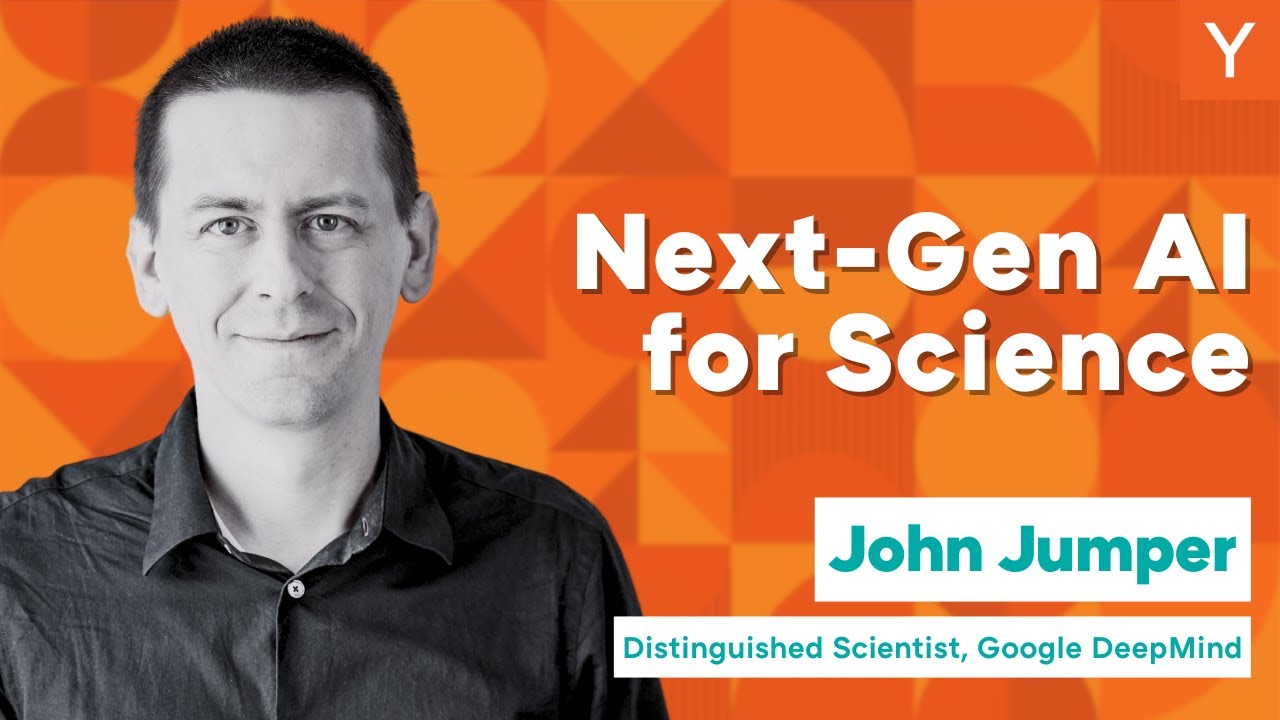
John Jumper, the physicist-turned-computational biologist who spearheaded DeepMind’s AlphaFold team, a feat that earned him the 2024 Nobel Prize in Chemistry, recently illuminated this journey at Y Combinator’s AI Startup School in San Francisco. His talk detailed how a deep learning breakthrough transformed the decades-old challenge of protein folding, ultimately delivering atomic accuracy predictions and making millions of protein structures accessible to researchers worldwide.
Jumper’s personal trajectory reflects this commitment to applied science. Originally trained as a physicist, he pivoted to computational biology, driven by a desire "to make science go faster, to enable new discoveries." He sought to leverage computational tools to address complex biological puzzles, driven by the ultimate goal of improving human health: "to make sick people become healthy and go home from the hospital."
The complexity of life itself hinges on proteins, the intricate "nanomachines" within every cell. While DNA provides the linear instructions for building these proteins, the crucial step is how these linear chains spontaneously fold into precise, functional three-dimensional shapes. Experimentally determining these structures is an "exceptionally difficult and filled with failure" endeavor, requiring immense cleverness and often years of painstaking effort per protein.
AlphaFold’s success in solving this challenge stemmed from three critical components: data, compute, and research. While the field had access to a public database of around 200,000 known protein structures and increasingly powerful computing resources, Jumper emphasized that the differentiating factor was the *research*, the novel ideas and algorithmic breakthroughs. "We tell too many stories about the first two [data, compute] and not enough about the third [research]," he asserted, highlighting that a "tremendous amount of research and ideas... are involved" in truly transformative AI systems. This research amplified the existing data and compute, allowing AlphaFold to achieve unprecedented accuracy.