


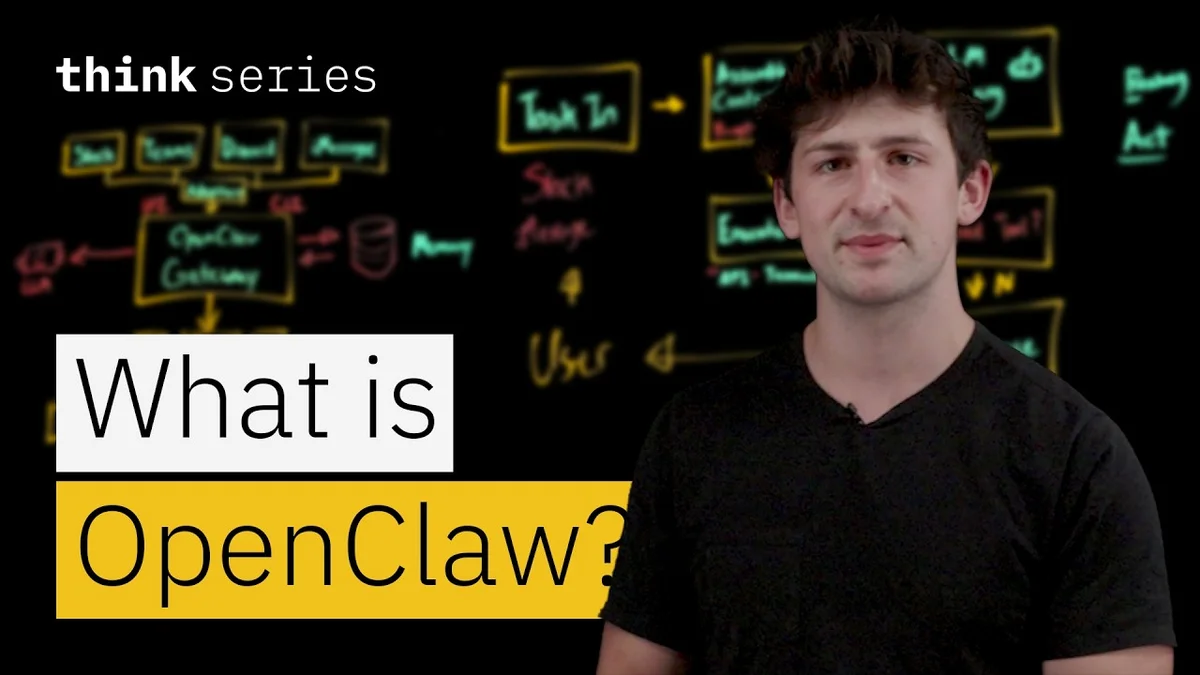
Cedric Clyburn, a Senior Developer Advocate at Red Hat, breaks down the fundamental shift from traditional chatbots to AI agents. While chatbots engage in conversational Q&A with LLMs, AI agents are designed to take autonomous action using those LLMs and available tools to achieve specific goals. This evolution marks a significant advancement in how we interact with and utilize artificial intelligence.
Understanding the AI Agent Paradigm
Clyburn illustrates the difference by contrasting a traditional chatbot's input-output model with an AI agent's more complex cycle. A chatbot receives a prompt and provides an answer. An AI agent, however, receives a task, assembles relevant context (including conversation history, system instructions, and available tools), reasons about the best course of action, potentially uses tools to gather more information, and then acts. This process is often referred to as the 'reasoning-acting' loop.
The key distinction lies in the agent's ability to independently decide when and how to use tools to achieve a given objective, rather than just responding to direct queries. This capability allows for more complex task completion and automation.
The full discussion can be found on IBM's YouTube channel.
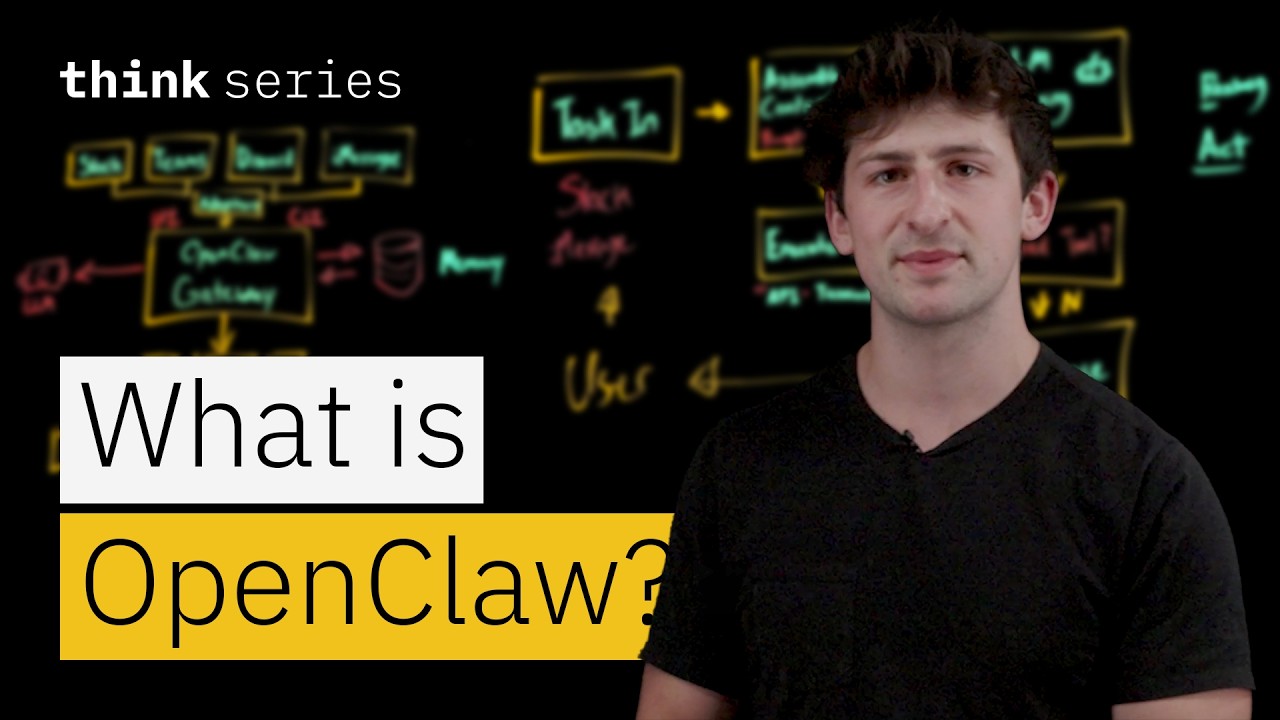
Open Source Frameworks for AI Agents: The Role of OpenCopilot
The video highlights OpenCopilot as a prominent open-source project that exemplifies this agent paradigm. Clyburn explains that OpenCopilot is built on a Node.js service and runs locally on a user's machine, offering flexibility and control. The architecture of OpenCopilot is designed around a central 'Gateway' that manages communication between different components.