


A16Z's Marc Andreessen on AI's New Media Landscape

A16Z's Marc Andreessen discusses the shift in media strategy from broad-reach to engagement-focused, emphasizing authenticity and direct audience connection.

4 min read
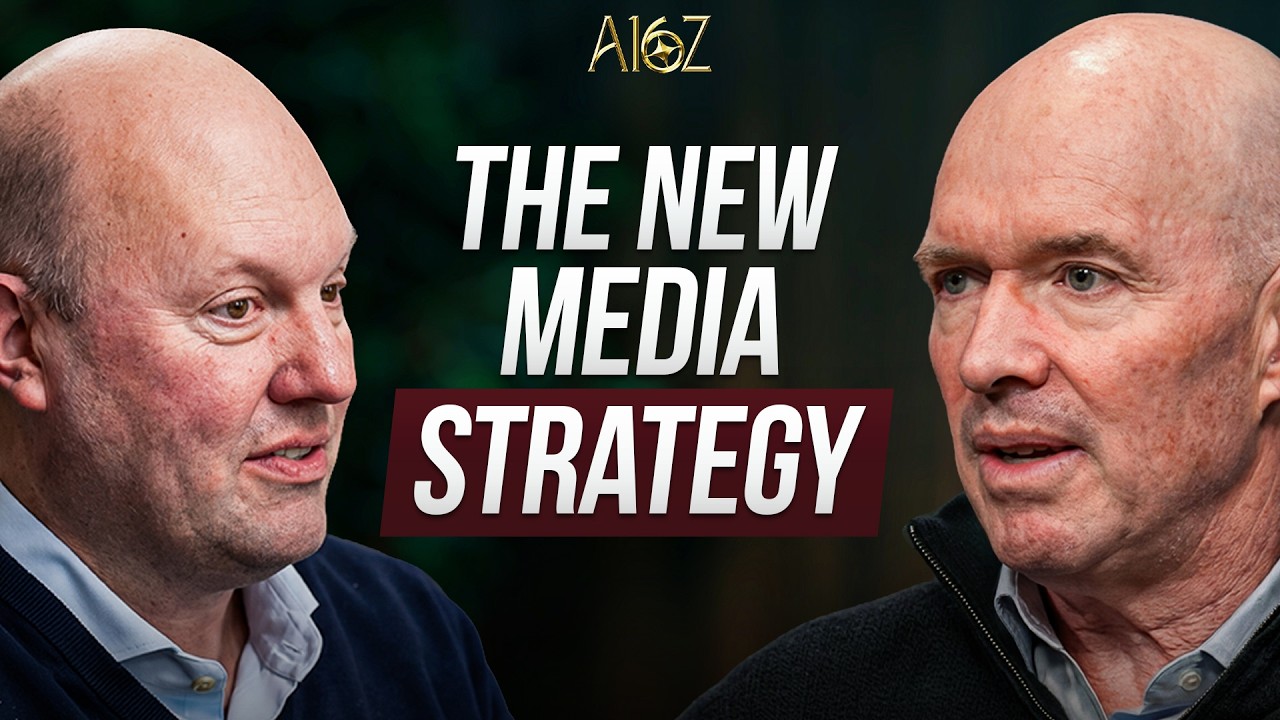
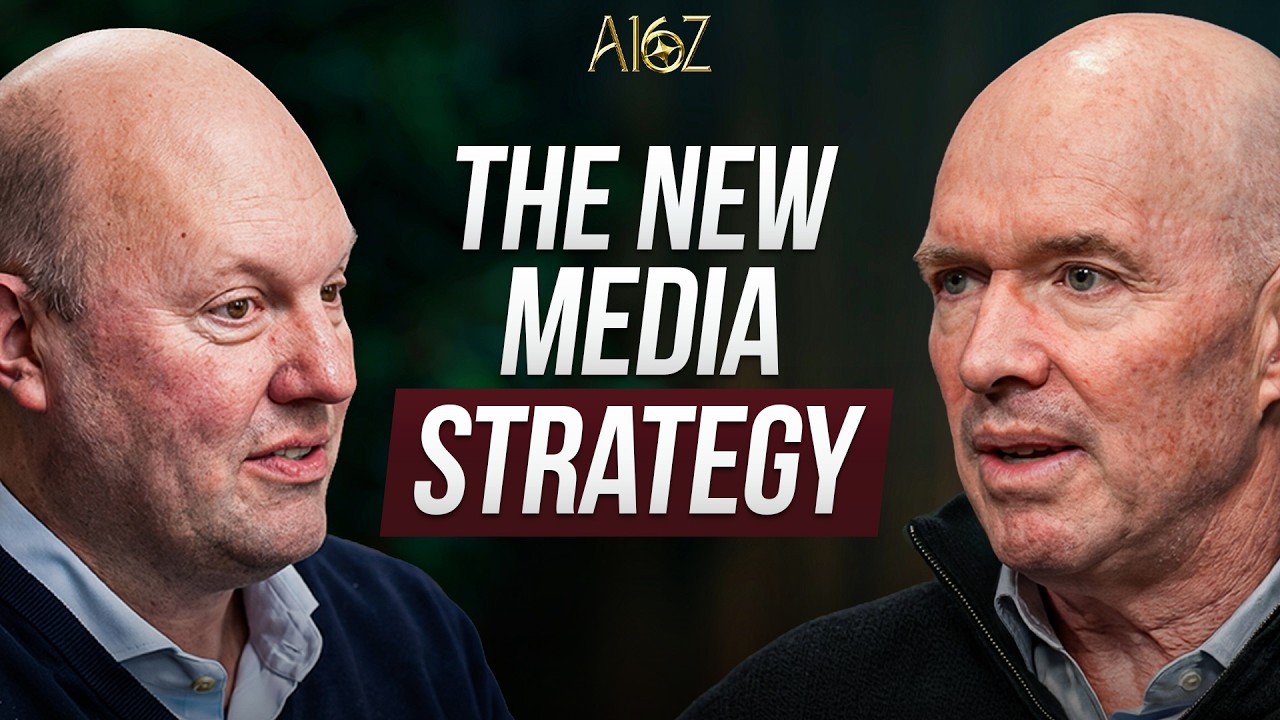
Marc Andreessen speaking during an A16Z podcast.
Inside the New Media Team with Marc Andreessen & Ben Horowitz — a16z on YouTube

In a recent A16Z podcast episode, venture capitalist Marc Andreessen discussed the evolving landscape of media, highlighting the shift from traditional, broad-reach platforms to a more dynamic, engagement-driven digital ecosystem. Andreessen, a prominent figure in Silicon Valley and co-founder of Andreessen Horowitz, shared insights into how startups and established companies alike must adapt their strategies to thrive in this new media environment.
A16Z's Marc Andreessen on AI's New Media Landscape - a16z
A16Z's Marc Andreessen on AI's New Media Landscape — from a16z

Marc Andreessen's Perspective on Media Evolution

Andreessen, known for his early investments in companies like Facebook, Twitter, and Slack, articulated a fundamental shift in media consumption and production. He contrasted the defensive posture of traditional media, which often aimed to please a broad audience and avoid controversy, with the offensive, engagement-focused approach of new media. In this new paradigm, the priority is to capture and retain audience attention through compelling, often personalized, content, even if it means being provocative or polarizing.

He emphasized that old media was inherently constrained by its distribution channels, whether it was television airtime or print space. This scarcity meant that content had to be carefully curated and vetted to avoid alienating large segments of the audience. Andreessen described this as a defensive strategy, where the goal was to minimize risk and maximize broad appeal.

Conversely, new media, fueled by the internet and social platforms, operates with different economics and a different set of priorities. Andreessen stated, "Old media is defense-oriented. New media is offense-oriented. It's about engaging people, not pleasing them." This offensive approach, he explained, centers on creating content that is inherently interesting and shareable, thereby driving organic growth and engagement.

The 'Flood the Zone' Strategy vs. Focused Content

Andreessen touched upon the traditional media strategy of "flooding the zone," which involved saturating the market with content across various channels to ensure maximum reach. While this approach was effective in a scarcity-driven environment, it is increasingly being replaced by a more targeted and efficient content strategy in the digital age. New media players, he argued, can be more strategic and nimble, focusing their resources on creating high-quality, engaging content that resonates with specific audience segments.

He further elaborated on the contrast by saying, "Old media tries to please everybody. New media only cares about pleasing the audience that it has." This focus on a core audience allows new media companies to develop a deeper connection with their users, fostering loyalty and driving meaningful engagement. In essence, new media is less about mass appeal and more about building a dedicated community around compelling content.

The Role of Authenticity and Direct Engagement

A key theme in Andreessen's discussion was the increasing importance of authenticity and direct engagement in the new media landscape. Unlike traditional media, where there was often a buffer between the creator and the audience, new media allows for direct interaction, fostering a sense of community and trust. This direct connection, Andreessen suggested, is crucial for building a strong brand and a loyal following.

He also highlighted the shift from curated content to user-generated content and the ability of individuals to become media creators in their own right. This democratization of media, while challenging for traditional players, opens up new avenues for innovation and audience engagement. Andreessen noted, "You can communicate directly with your audience. You can build a relationship with them." This direct communication, he believes, is a fundamental advantage of the new media model.

Navigating the Future of Media

Andreessen concluded by emphasizing that the principles of effective media strategy are constantly evolving. As technology advances and audience behaviors change, companies must remain adaptable and innovative to stay relevant. He encouraged founders and creators to embrace the opportunities presented by the new media landscape, focusing on creating authentic, engaging content that resonates with their target audience.

The conversation underscored the dynamic nature of the media industry and the critical need for companies to understand and adapt to the evolving digital environment. Andreessen's insights provide a valuable roadmap for navigating this complex terrain, emphasizing the power of offense, authenticity, and direct audience engagement in the pursuit of media success.