Artificial Intelligence

Russia's Arctic Dominance: Is America Losing the Race?

Russia's expanding military and economic footprint in the Arctic contrasts with the US's lagging capabilities, setting the stage for a new geopolitical competition.

StartupHub.ai Staff

By StartupHub.ai Staff, reviewed by Daniel Singer, Editor

3 min read

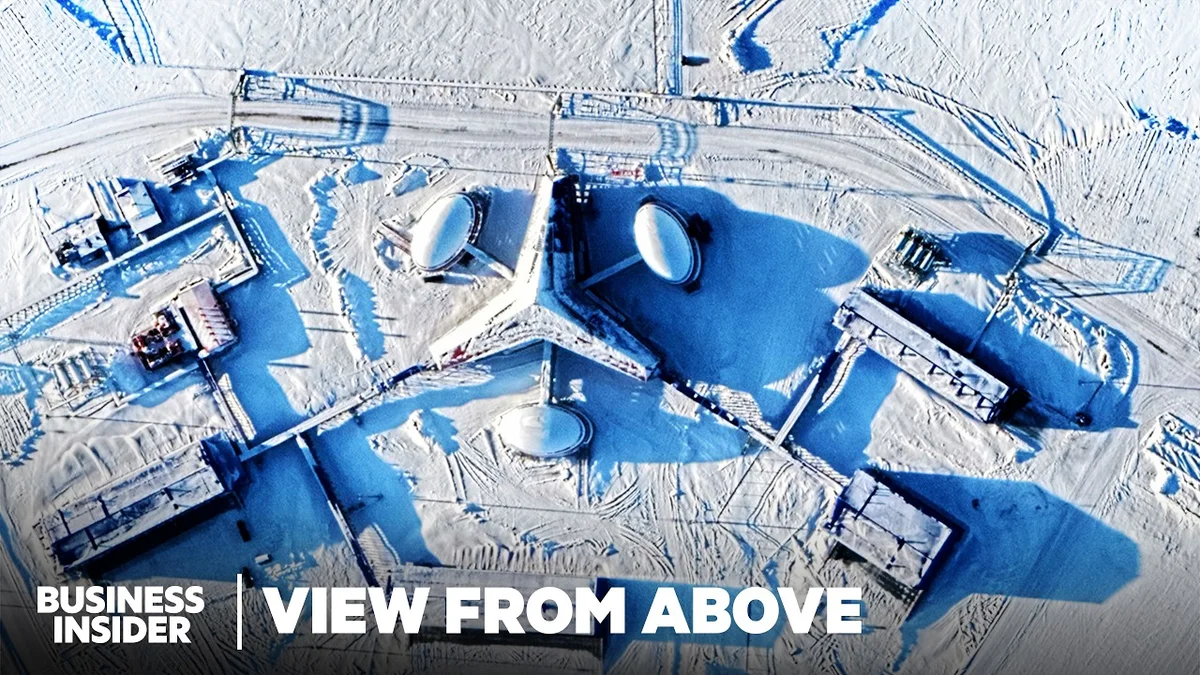
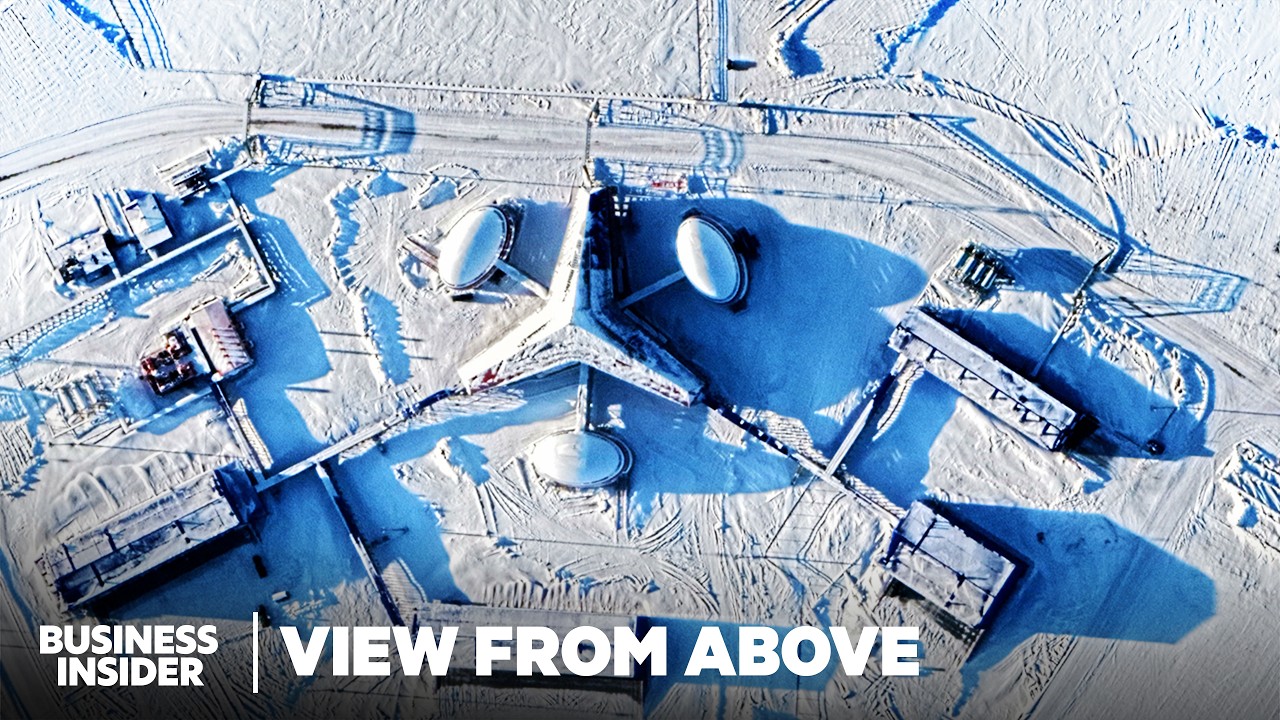
Satellite image showing a vast, icy Arctic landscape with a single icebreaker ship navigating through the frozen sea.
An icebreaker ship navigates through the Arctic, symbolizing the region's transformation into a strategic and economic battleground.Credit: YouTube
Visual TL;DR
Arctic Ice MeltsDriver
opening new shipping routes and access to vast natural resources
Russia Dominates ArcticCore
expanding military and economic footprint with world's largest icebreaker fleet
From the article 2 mentionsThe video details Russia's significant military expansion in the Arctic, including the development of icebreakers, trade routes, airports, and nuclear submarine bases.
US Lags BehindDriver
From the articleA recent analysis highlights that Russia, with its extensive Arctic coastline and ambitious military buildup, is currently leading this race, while the United States appears to be falling behind due to decades of underinvestment in its Arctic capabilities.
Geopolitical Tensions RiseOutcome
setting the stage for a new geopolitical competition in the strategically vital region
China's Arctic AmbitionsCore
seeking economic opportunities and influence, expanding its presence in the region
From the articleChina, despite not being an Arctic nation, has declared itself a 'near-Arctic state' and is actively pursuing its interests in the region through its 'Polar Silk Road' initiative.
Inuit Voice MattersContext
indigenous communities' perspectives crucial for sustainable development and governance
Race Against TimeOutcome
nations competing for dominance as climate change rapidly transforms the Arctic
Contents(6)

The Arctic, once a serene and frozen expanse, is now at the forefront of geopolitical and economic competition. As melting sea ice opens up crucial shipping routes and access to vast resources, nations are racing to establish their dominance in this strategically vital region. A recent analysis highlights that Russia, with its extensive Arctic coastline and ambitious military buildup, is currently leading this race, while the United States appears to be falling behind due to decades of underinvestment in its Arctic capabilities.

Russia's Arctic Dominance: Is America Losing the Race?

Russia's Arctic Ascendancy

The video details Russia's significant military expansion in the Arctic, including the development of icebreakers, trade routes, airports, and nuclear submarine bases. With 42 icebreakers, including 13 heavy icebreakers, Russia possesses the world's largest fleet, capable of operating year-round and carving through thick ice. This capability is crucial for navigating the Northern Sea Route (NSR), which is becoming increasingly important for global trade. In 2025, the number of vessels transiting the NSR reached an all-time high, carrying millions of tons of cargo, primarily from Russia's western ports to China.

America's Arctic Lag

In stark contrast, the US military's footprint in the Arctic has largely been characterized by decline. Many of its World War II-era installations in Alaska are now abandoned and overgrown. While the US has increased its focus on the Arctic in recent years, with investments in modernization efforts and icebreaker construction, critics argue it may be too little too late. The US Coast Guard's aging icebreaker fleet, with only one operational heavy icebreaker, the Polar Star, stands in sharp contrast to Russia's rapidly expanding fleet.

Geopolitical Tensions and the Shifting Arctic

The warming Arctic is not only an economic opportunity but also a potential flashpoint for conflict. The video notes that tensions can easily flare between Arctic nations, with their exclusive economic zones and continental shelf claims overlapping. The war in Ukraine and the expansion of NATO have further heightened these concerns, raising the possibility of conflict spilling into the Arctic theater. Recent military exercises by both Russia and NATO resemble the Cold War's cat-and-mouse games, underscoring the escalating militarization of the region.

China's Arctic Ambitions

China, despite not being an Arctic nation, has declared itself a 'near-Arctic state' and is actively pursuing its interests in the region through its 'Polar Silk Road' initiative. The country is investing heavily in infrastructure, energy projects, and research, aiming to gain a significant presence and influence in the North. This growing assertiveness, coupled with joint military exercises with Russia, is a cause for concern for Western nations.

The Voice of the Inuit

Amidst the geopolitical maneuvering, the video highlights the often-overlooked concerns of the Arctic's indigenous peoples. The Inuit and other indigenous communities feel disregarded by the superpowers' ambitions, viewing themselves as commodities rather than stakeholders. Their desire for autonomy and independence from Denmark, as seen in Greenland, adds another layer of complexity to the region's future.

A Race Against Time and Climate Change

The Arctic's strategic importance is amplified by the accelerating impacts of climate change, which are not only opening up new opportunities but also posing risks to existing infrastructure. Permafrost thaw, for instance, threatens military bases like the US Bituik Space Base in Greenland, with rising temperatures posing a moderate to considerable risk to its structures. As the world watches the Arctic transform, the race for resources and strategic advantage intensifies, with the potential for conflict casting a long shadow over the region's future.

Get the free daily brief every morning

Every morning the day's AI news, new AI startups and new funding rounds. Free and takes a few minutes to read, unsubscribe at any time.

Join 64,000 other subscribers.

TopicsRussiaUnited StatesChinaNATOArctic CircleGreenlandNASDAQ:GOOGLNASDAQ:MSFT

StartupHub.ai Staff

Written by

StartupHub.ai Staff

Editorial team

The staff writers of StartupHub.ai, ranging from investment analysts to avid AI tool users, early adopters and critical enthusiasts. Backgrounds span engineering, business and the arts. We hold every piece to rigorous standards of research and review.

Daniel Singer

Written by

Daniel Singer

Editor, reviewed this article

Daniel Singer is an AI expert who has been writing about, covering and building AI technology since 2018.

Test your Agent Readiness now

Paste your website. How well ChatGPT, Claude and the other agents can read and use a site, in about a minute.

Watch

The videos behind the news, one flip at a time

The feed mixes the videos from our articles with startup demos and you flip through them like TV channels for free with no signup.