

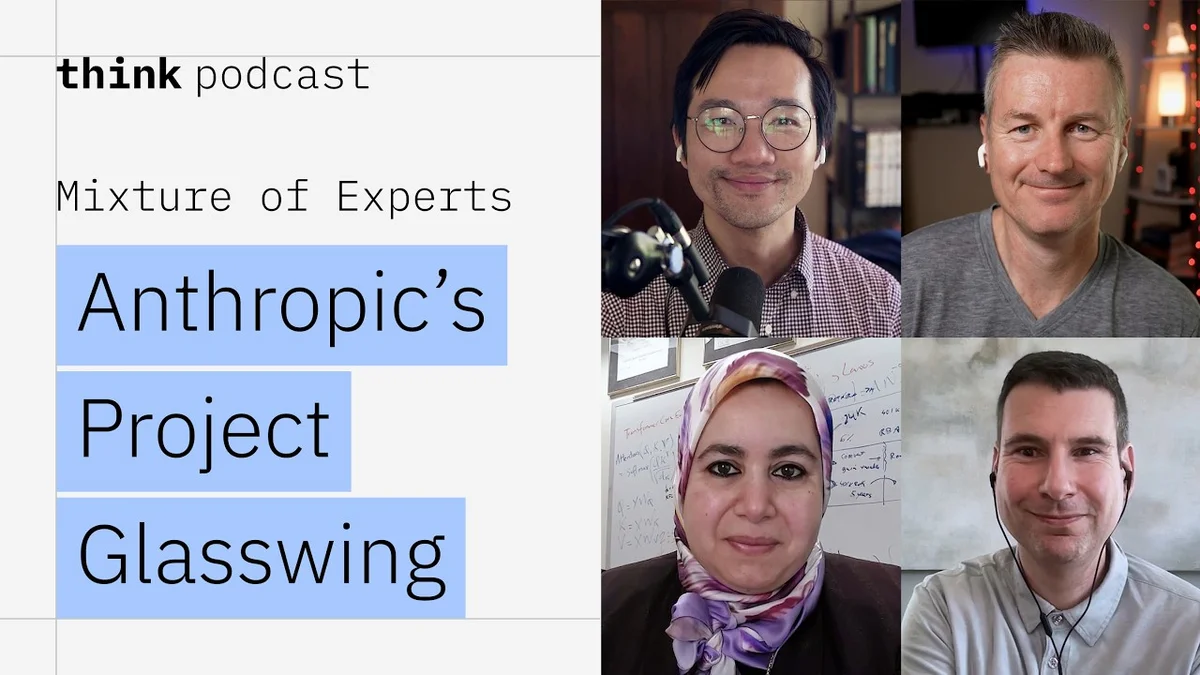
OpenAI's GPT-1900 & Anthropic's Leap

Anthropic's new AI model, 'Mythos', reportedly surpasses GPT-4 in cybersecurity tasks, while OpenAI continues its rapid growth. The debate between open vs. cautious AI deployment intensifies.

3 min read
OpenAI's GPT-1900 & Anthropic's Leap
IBM

In the rapidly evolving world of artificial intelligence, two major players, OpenAI and Anthropic, are pushing the boundaries of what large language models can achieve. While OpenAI continues to refine its flagship GPT series, Anthropic appears to be making significant strides with a new model that is reportedly outperforming existing benchmarks, particularly in the critical domain of cybersecurity.

This development comes at a time when AI's integration into various industries is accelerating, and the demand for specialized, highly capable models is growing. The competition between these two research powerhouses is not just about raw performance but also about their fundamental philosophies regarding AI development and deployment.

The Rise of Mythos: Anthropic's Cybersecurity Edge

The conversation in the AI community has been buzzing about Anthropic's latest development, a model tentatively referred to as 'Mythos'. Early reports suggest that this model demonstrates superior capabilities, especially in identifying and analyzing cybersecurity vulnerabilities. This is a significant area of AI application, given the ever-increasing sophistication of cyber threats.

Related startups

The full discussion can be found on IBM's YouTube channel.
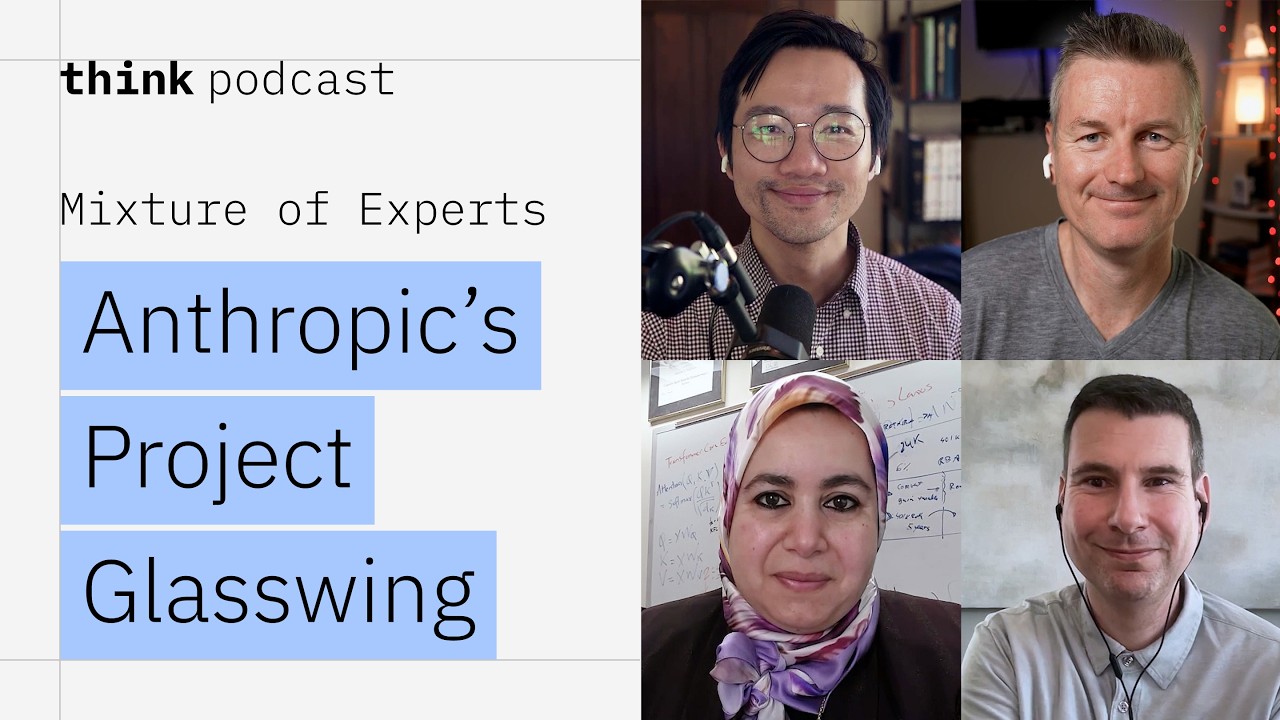
Claude Mythos, Project Glasswing and AI cybersecurity risks - IBM
Claude Mythos, Project Glasswing and AI cybersecurity risks — from IBM

While specific details about Mythos's architecture and training data remain under wraps, the reported performance improvements on cybersecurity-related benchmarks are noteworthy. This suggests a potential shift towards more specialized AI models that can tackle complex, domain-specific challenges, rather than relying solely on general-purpose large language models.

OpenAI's Financial Dominance and Strategic Restraint

Meanwhile, OpenAI continues to solidify its position as a leader in the AI space, with its models like GPT-4 driving significant revenue. The company has reported impressive financial growth, fueled by enterprise adoption and API access. However, OpenAI's approach to releasing new models has also been a subject of discussion.

The decision by Anthropic not to release Mythos publicly at this stage, citing a commitment to safety and a desire for more controlled testing, presents an interesting contrast. This cautious approach, often termed 'constitutional AI', aims to align AI behavior with human values and prevent potential misuse. It raises questions about the pace of AI development and the ethical considerations that must accompany it.

The Broader Implications for AI Development and Security

The competition between OpenAI and Anthropic highlights a key tension in the current AI landscape: the drive for rapid innovation versus the imperative for safety and responsible deployment. As AI models become more powerful, the potential for both immense benefit and significant harm increases.

The focus on cybersecurity as a key application area for advanced AI is particularly relevant. AI's ability to analyze vast datasets and identify subtle patterns could be instrumental in defending against increasingly complex cyberattacks. However, it also raises concerns about the potential for AI to be used offensively by malicious actors.

The financial success of both companies underscores the immense commercial potential of artificial intelligence. As more businesses look to integrate AI into their operations, the demand for both foundational models and specialized AI solutions will only continue to grow. The question remains how these powerful tools will be developed, deployed, and governed in the years to come.

The insights from these leading AI labs offer a glimpse into the future of the field, where both technological advancement and ethical considerations will play crucial roles in shaping the impact of AI on society.

© 2026 StartupHub.ai. All rights reserved. Do not enter, scrape, copy, reproduce, or republish this article in whole or in part. Use as input to AI training, fine-tuning, retrieval-augmented generation, or any machine-learning system is prohibited without written license. Substantially-similar derivative works will be pursued to the fullest extent of applicable copyright, database, and computer-misuse laws. See our terms.