


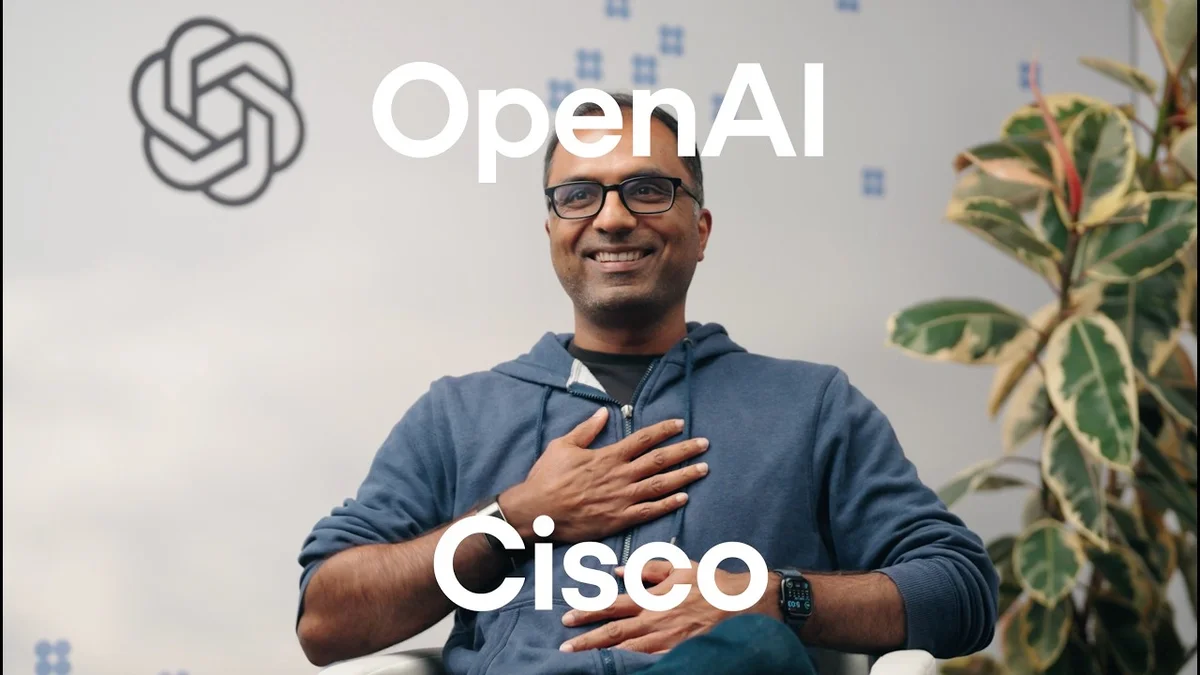
Cisco is making a significant move into the realm of AI-powered cybersecurity by integrating OpenAI's Codex model into its defense solutions. The initiative, spearheaded by DJ Sampath, SVP/GM of AI Software and Platform at Cisco, aims to bolster the company's AI defense capabilities and accelerate the development of its security products. The partnership highlights a growing trend of enterprise technology giants adopting advanced AI tools to enhance their offerings and operational efficiency.
Empowering AI Development with Codex
Sampath revealed that Cisco's approach involves using Codex to write nearly all of its new features. He stated, "Every new feature that we're building is 100% written by Codex." This aggressive adoption of AI for code generation underscores the transformative potential of models like Codex in speeding up development timelines. The company is not only using Codex for generating code but also for developing an open-source tool called Defenseclaw. This tool, built from start to finish in under a week, demonstrates the rapid prototyping and development capabilities enabled by AI.
The full discussion can be found on OpenAI Youtube's YouTube channel.
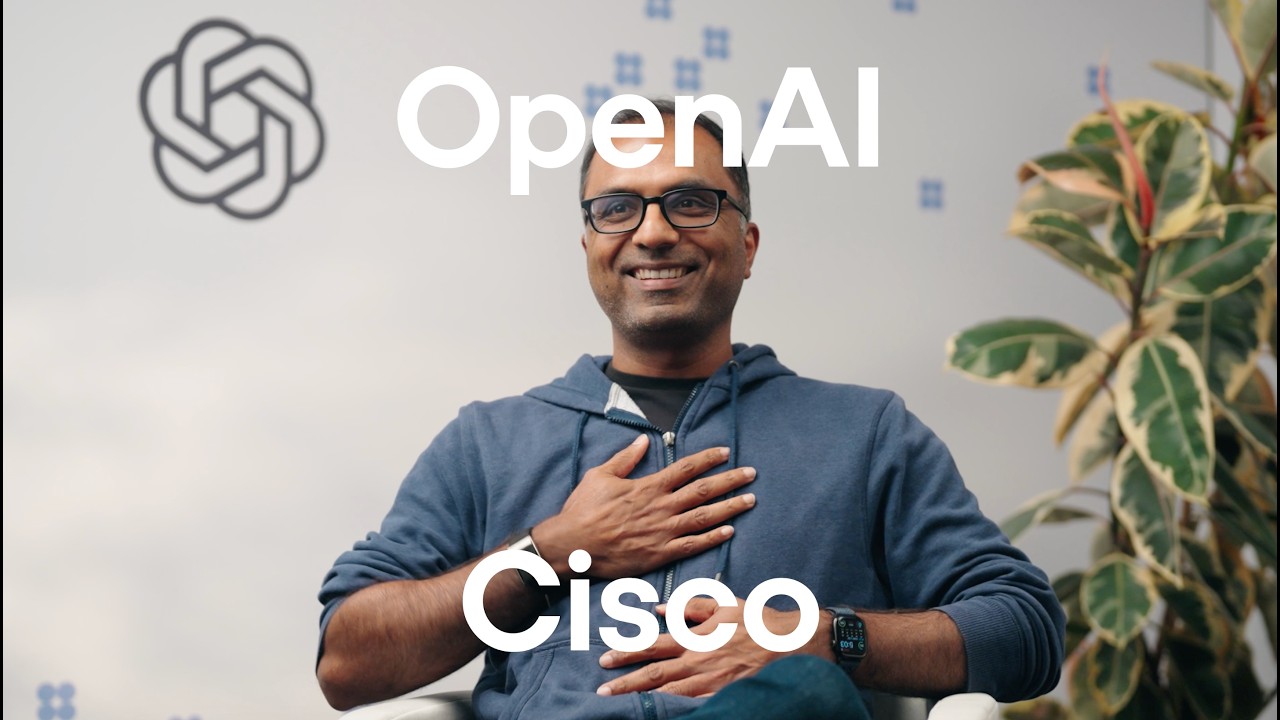
The integration of Codex is not limited to internal development. Cisco is also focused on making these AI advancements accessible to its customers. Sampath noted that "What has Codex unlocked?" for their engineers is the ability to be more ambitious and to reduce the time it takes to bring complex AI-driven security features to market. This acceleration allows Cisco to better serve its customers by delivering more robust and timely solutions.
Building a Comprehensive AI Defense Platform
Cisco's AI defense platform is designed to provide a holistic view of an organization's AI assets and potential threats. The platform, showcased through its dashboard and asset management interfaces, allows users to monitor AI models, agents, and data, as well as detect and respond to security events. The integration of Codex plays a crucial role in this ecosystem by enabling the rapid identification of vulnerabilities and the development of countermeasures.