Visual TL;DR
AI GovernanceCore
essential for managing AI risks and compliance
From the article 4 mentionsKeen stresses the importance of robust AI governance policies, which dictate which AI tools are approved, how they can be used, and what data is permissible to input.
Unapproved AI UseDriver
employees using AI tools without company IT approval
From the article 2 mentionsHe cites an IBM report indicating that 20% of organizations have experienced a data breach caused by unapproved AI use.
Hallucination LaunderingContext
AI outputs presented as fact without verification
From the article 2 mentionsKeen then delves into 'Hallucination Laundering', the third risk.
Prompt InjectionDriver
malicious inputs manipulate AI agent behavior
From the article 2 mentionsThe fourth risk, 'Prompt Injection', is described as a malicious technique where an attacker crafts an input that tricks an AI into bypassing its original safety instructions.
AI Agents RisksContext
autonomous AI agents can cause unintended consequences
From the article 9+ mentionsKeen emphasizes that the lack of visibility and control over these agents makes them a serious risk, as their actions are not monitored and can have unintended consequences.
Shadow AIContext
unapproved AI tools create security vulnerabilities
From the article 4 mentionsFrom 'shadow AI' to 'zombie AI agents', Keen provides a clear and concise overview of how employees can inadvertently jeopardize their careers by mismanaging their use of AI tools.
Data LeakageEffect
sensitive company data fed into third-party AI models
From the article 9+ mentionsThis practice can lead to significant security vulnerabilities, including data leakage.
Job TerminationOutcome
mismanaging AI use leads to career jeopardy
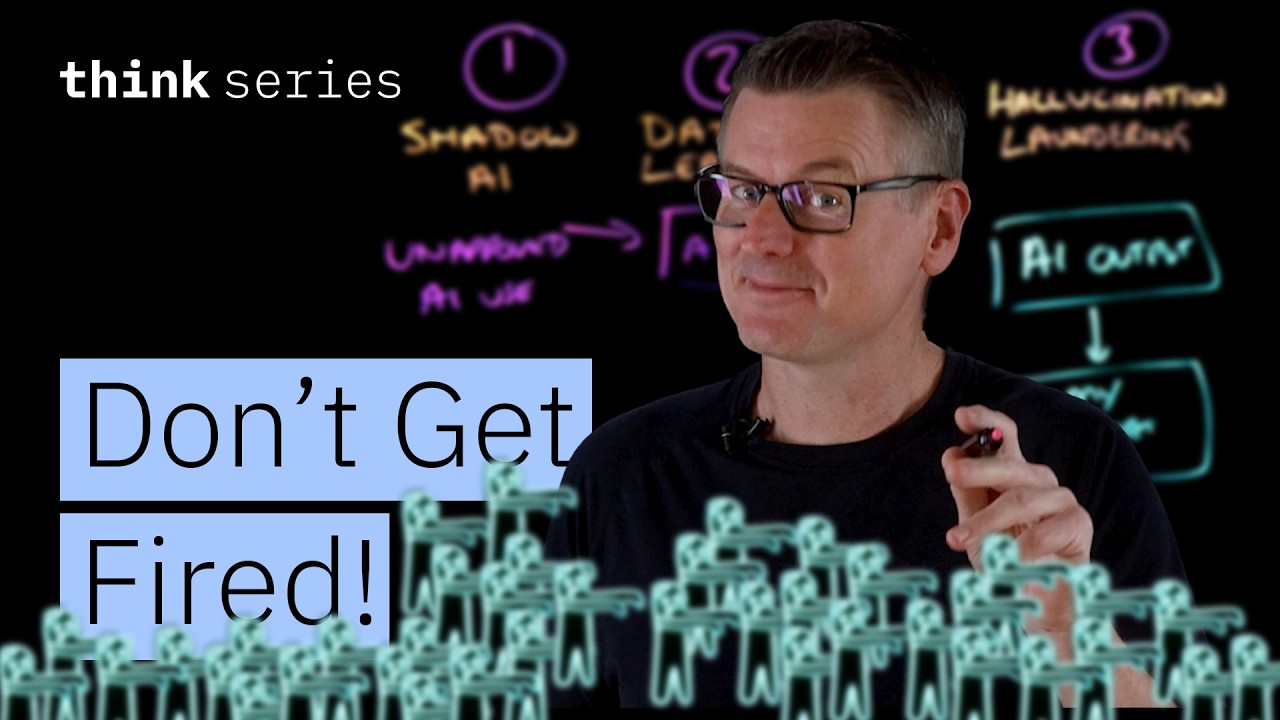
From the articleMartin Keen, a Master Inventor at IBM, outlines five critical AI risks that could lead to job termination.