
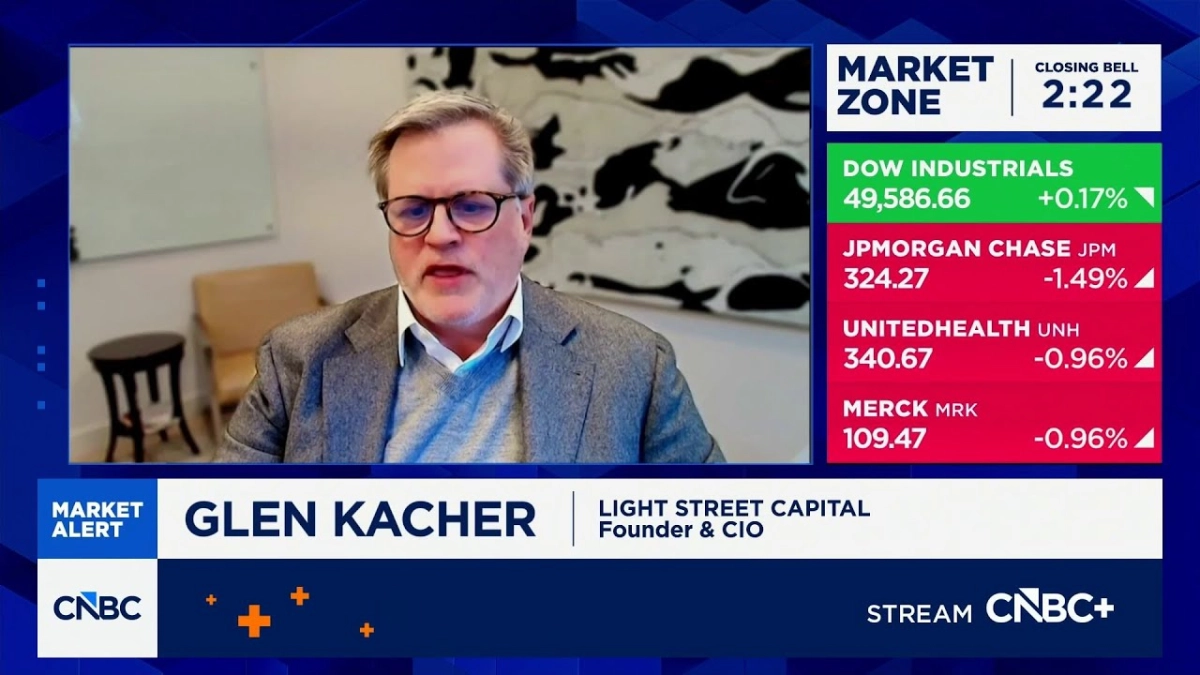
“It’s likely that this is Google, likely the number one beneficiary of AI in the long run, and they have the best monetization engine and the largest user base on the internet.” This assertive claim, made by Light Street Capital Founder and CIO Glen Kacher, stands in stark contrast to the market narrative that frequently casts Alphabet as the AI laggard, perpetually playing catch-up to the rapid advances of Microsoft-backed OpenAI. Speaking on CNBC’s Closing Bell, Kacher challenged the prevailing sentiment, arguing that the market has fundamentally misunderstood Google’s entrenched position and technological advantages, especially when viewed through the lens of long-term value creation.
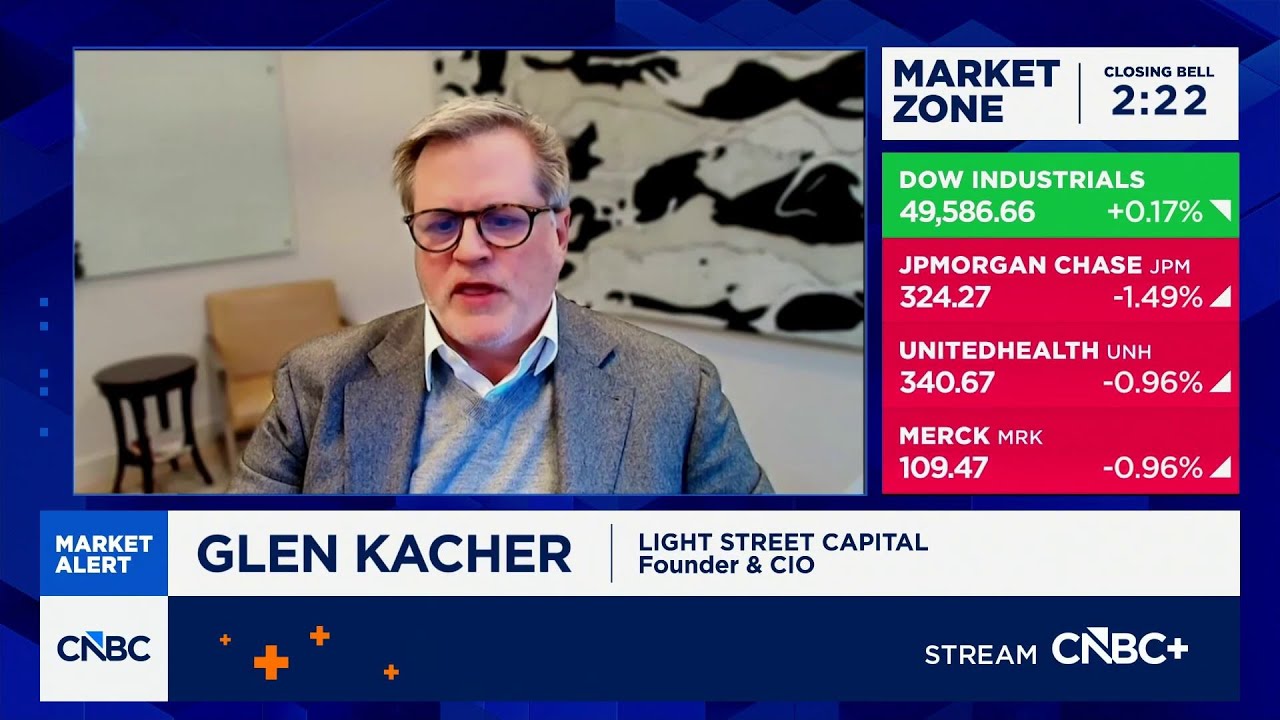
Kacher spoke with CNBC’s Scott Wapner on the heels of major developments concerning large technology firms, specifically the news regarding Alphabet and Apple’s potential AI partnership, discussing the shifting dynamics of the Magnificent Seven stocks and the immense capital allocation required to win the generative AI race. The central insight underpinning Kacher’s position is that while OpenAI may currently lead the charge in user traffic and initial hype surrounding models like ChatGPT, Google possesses an unparalleled combination of efficient proprietary hardware, an integrated product ecosystem, and a monetization engine that remains unrivaled.
The market’s perception of Google's AI capabilities had been marred by early hiccups, but Kacher stressed that Google is "coming up from behind very quickly." This acceleration is fueled by structural advantages that competitors lack. Specifically, Google leverages a more efficient compute architecture via its Tensor Processing Units (TPU), giving it a key advantage in both training and inference costs. This vertical integration, controlling the hardware, the cloud infrastructure (GCP), and the application layer, allows Google to deploy AI services at scale and cost points difficult for rivals reliant solely on third-party silicon.
Furthermore, Kacher pointed to Google’s existing ecosystem as a massive, often discounted, asset. It is not merely a search company forced to adapt; it is an integrated network spanning Search, YouTube, Gmail, Maps, Android, and Chrome. This full stack provides both an enormous, engaged user base and multiple monetization vectors that are immediately leverageable by new AI capabilities. The recent move toward AI partnerships, such as the rumored deal with Apple, represents a natural evolution of existing traffic arrangements. Kacher suggests that these are transitioning "from just a search traffic partnership to an AI traffic partnership," securing Google's relevance regardless of how consumer interaction with the internet evolves away from traditional search bars.
The argument for Google's superior long-term position is powerfully supported by valuation metrics, particularly when comparing the established giant to the hyper-growth, privately valued AI startups. Kacher provided a sharp analysis of the divergent multiples: if a company like OpenAI were to go public at a $1 trillion valuation, "that’s 25 times forward revenue we think." By comparison, Alphabet currently trades at a significantly lower multiple, around 10 times revenue, while simultaneously exhibiting robust growth in earnings, estimated to be around 35%. This discrepancy suggests that the market is either overvaluing the immediate potential of pure-play AI disruptors or significantly undervaluing Google’s ability to successfully integrate and monetize its immense AI research and infrastructure investments across its existing, highly profitable businesses.
While the conversation heavily favored Alphabet, Kacher also offered insights into Amazon’s positioning, noting that the company has been "slow and quiet" on its internal AI strategy, largely focusing its external partnerships on organizations like Anthropic. However, Amazon is similarly positioned to benefit from the AI boom through two primary channels. First, the use of AI to enhance its advertising business, an increasingly important revenue stream, provides a documented source of growth. Second, and perhaps more critically, Kacher expects Amazon Web Services (AWS) to be "driven by enterprise AI traffic over the next five years." This means that regardless of which models win the immediate consumer race, the underlying cloud infrastructure that powers the AI economy will continue to drive massive revenue for AWS, effectively giving investors the e-commerce business "for free."
The discussion inevitably turned to the broader dynamics affecting the Magnificent Seven, particularly the intense capital expenditure required to maintain AI leadership. Kacher highlighted the financial strain this race places even on the largest tech companies, noting that this period is characterized by "tons of demand outstripping the supply of AI compute." This imbalance forces hyper-scalers to dramatically increase CapEx. Kacher observed that these companies are now allocating "around 73% of their operating cash flow going to CapEx in 2026." This massive diversion of cash flow, a significant adjustment from the free cash flow bonanza of just a few years ago, underscores the sheer cost of participation in the AI arms race. The market, Kacher concluded, is currently wrestling with how quickly revenue growth can offset these soaring operational and capital expenditures for the leading tech firms.