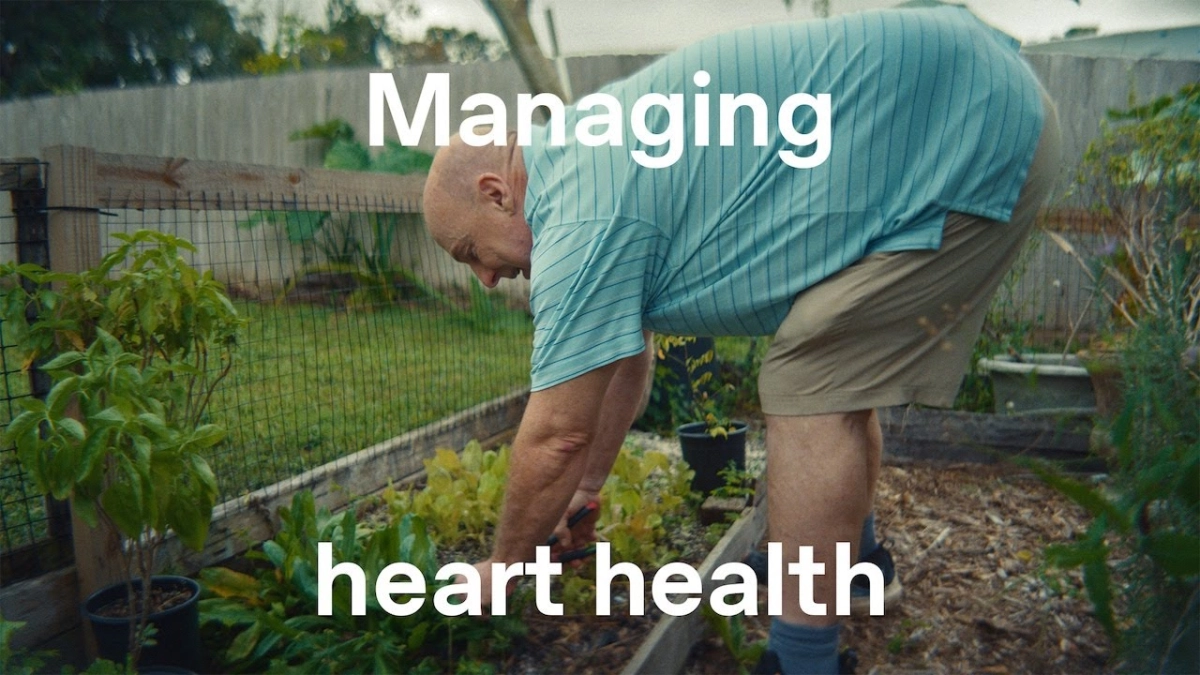
The promise of artificial intelligence in healthcare has long been conceptualized as improved diagnostics or drug discovery; yet, the most immediate and profound impact is emerging at the hyper-personalized, daily management level. This is the central thesis demonstrated in the case study of Steve, a Florida resident living with chronic heart failure, who relies on ChatGPT to execute a complex, life-extending care plan. Steve’s narrative illustrates a pivotal shift: AI is transforming from a static information repository into a dynamic, context-aware health co-pilot, driving daily behavioral change that directly impacts mortality metrics.
Steve, diagnosed with heart failure 12 years ago, was initially given a dire prognosis. “I had a three-to-five-year life expectancy,” he recounts. His medical team prescribed anti-inflammatory medications, but Steve sought to augment this pharmaceutical regimen with proactive dietary and lifestyle changes. The challenge was translating general anti-inflammatory guidelines into actionable, personalized steps that fit his life, his kitchen, and his local environment. This is where the contextual intelligence of the large language model becomes indispensable.
The video, effectively a demonstration of OpenAI’s vision for applied LLMs in chronic care management, showcases how the system synthesizes disparate data points, medical baseline, medication schedule, local resources, and real-time input, to provide prescriptive guidance. Steve uses the model to integrate natural anti-inflammatory components into his meals, drawing directly from his home garden. He realized, through consultation with the AI, that elements he already cultivated were medically advantageous. "Virtually every single one of the herbs are anti-inflammatory," he noted, demonstrating the system’s ability to connect his immediate environment with his clinical goals.