

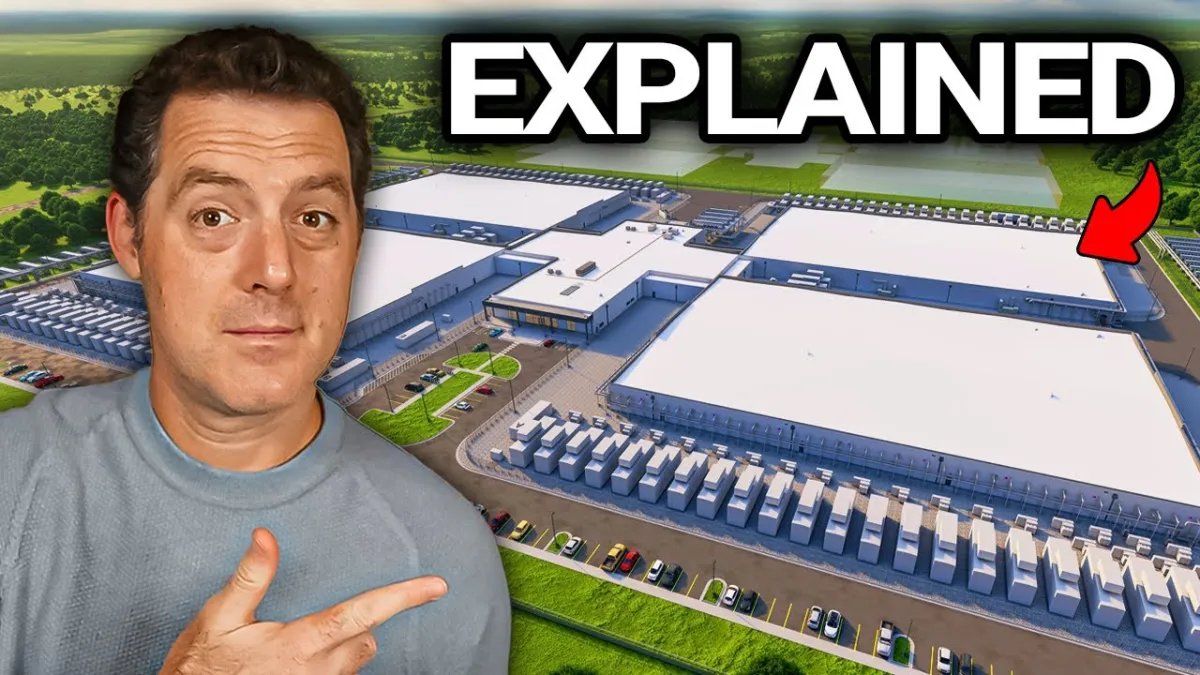
Behind every seamless AI interaction, from a ChatGPT response to a generated image, lies a colossal physical infrastructure that Matthew Berman aptly describes as the "hidden backbone" of artificial intelligence. These aren't ethereal clouds; they are massive, meticulously engineered buildings, data centers, that are rapidly becoming the factories of computation, powering what many now term the next industrial revolution. The sheer scale of investment currently pouring into this sector underscores its critical importance: OpenAI, Oracle, and SoftBank are partnering on a "trillions-dollar" Stargate project, while giants like NVIDIA, Meta, Alphabet, and Microsoft are committing tens to hundreds of billions to expand their AI infrastructure.
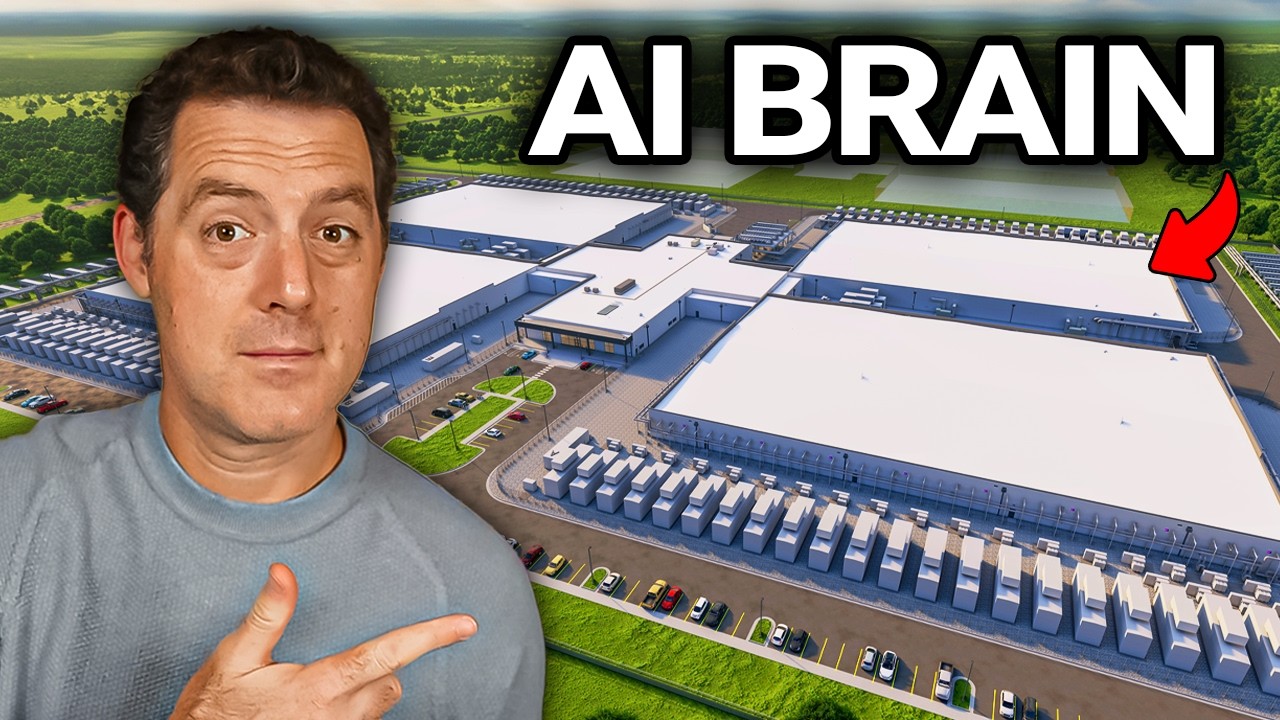
Berman demystifies these facilities, explaining that a data center is essentially an enormously scaled-up version of a personal computer, containing racks of GPUs, CPUs, memory, storage, power systems, and intricate cooling mechanisms. Rows upon rows of servers and AI accelerators communicate over high-speed switches, storing petabytes of information. Yet, the advent of generative AI has dramatically shifted the landscape. Just a few years ago, data centers weren't primarily focused on AI. Since ChatGPT's release in late 2022, however, "everything has changed."
One of the most profound insights Berman highlights is the staggering energy appetite of generative AI. These advanced systems consume "10 to 30 times more electricity than task-specific AI." To put this into perspective, a single AI image generation can draw as much power as fully charging a phone, and a ChatGPT query uses roughly 2.9 watt-hours, compared to a mere 0.3 watt-hours for a traditional Google search. When multiplied by the billions of AI prompts processed daily, these seemingly small numbers accumulate into a massive drain on global energy resources. The U.S. Department of Energy estimates data centers consumed 4.4% of total electricity in 2023 alone, with projections reaching 7-12% by 2028. This surging demand has electric companies like PJM forecasting an additional 30 gigawatts of peak electricity demand by 2030, predominantly from data centers, an amount equivalent to powering 25 to 30 million households or operating 30 large nuclear power plants.
This escalating power density presents unprecedented engineering and environmental challenges. AI compute is inherently "denser, hotter, more electricity hungry, and higher stakes." Modern high-end AI clusters already draw between 80 and 120 kilowatts per rack, a dramatic increase from the 10-15 kilowatts seen just a few years prior. NVIDIA's upcoming Reuben Era systems are projected to push this even further, potentially reaching 600 kilowatts per rack by later this decade, a 5 to 10-fold increase over conventional racks today. Such intense heat generation necessitates sophisticated cooling solutions, moving beyond traditional air cooling to direct liquid cooling and closed-loop water systems. While more efficient, the sheer volume of water required is immense; Google's Council Bluffs data center, for instance, consumed approximately one billion gallons of water in 2023. Dell Technologies, a sponsor mentioned in the video, is at the forefront of providing hardware like the NVIDIA RTX Pro Blackwall chips, which are "absolute beasts for AI workloads," necessitating these advanced cooling strategies.
Related Reading
- OpenAI and Broadcom Forge Custom Chip Alliance Amidst AI's "Avalanche of Demand"
- AI's Insatiable Thirst: The Looming Power Crisis
- OpenAI's Infrastructure Gambit: Custom Chips and Strategic Moats
The construction of these facilities is equally daunting. Building a hyperscale data center typically takes 18 to 30 months, encompassing stages from initial planning and feasibility studies to design, engineering, permitting, construction, and final commissioning. Elon Musk's xAI Colossus project, famously completed in just 122 days, remains an "unheard-of" feat yet to be replicated. These facilities are not only complex but also operate like fortresses, featuring tall fences, crash barriers, 24/7 security, advanced cybersecurity measures, single entry points, and biometric access controls.