

"No electricity, no AI." This stark declaration from Doug Kimmelman, founder and executive chairman of Energy Capital Partners (ECP), encapsulated the urgent message delivered during his recent appearance on CNBC's 'Power Lunch'. Kimmelman, a veteran with over four decades in the energy sector, illuminated a pivotal shift in the electricity landscape: power, once merely a utility, has now become arguably the world's most critical commodity, driven in large part by the burgeoning demands of artificial intelligence.
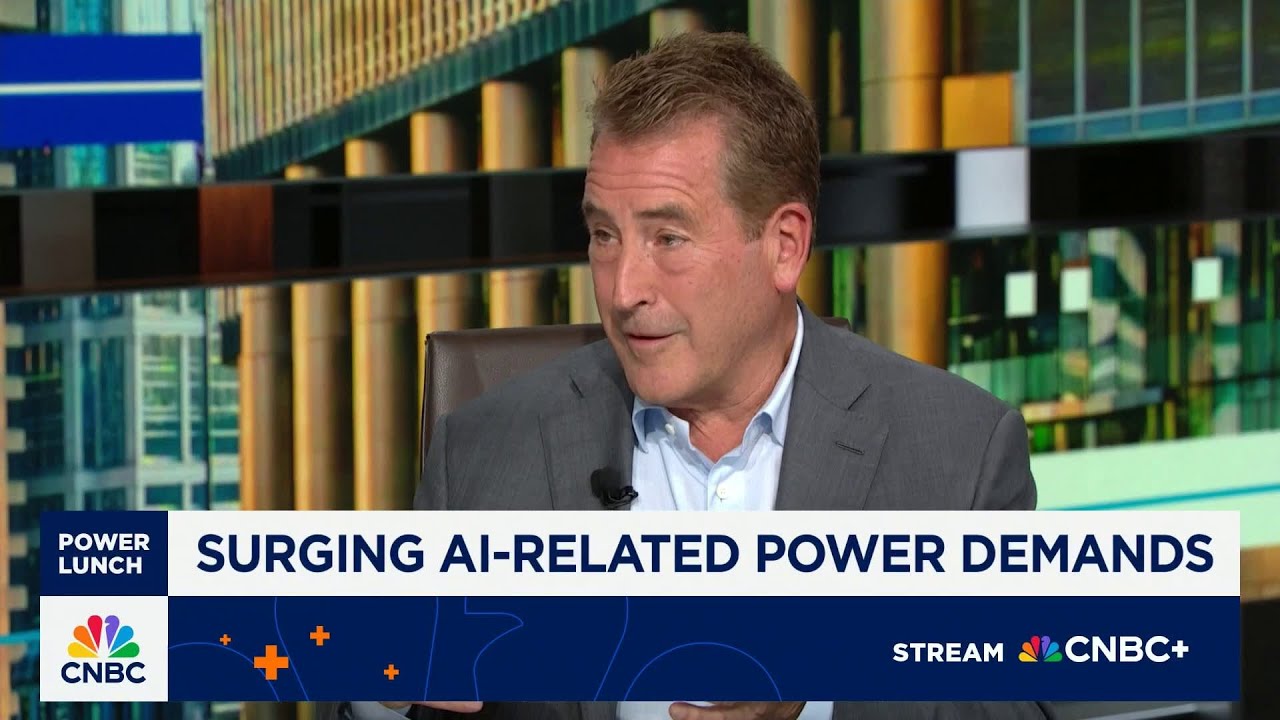
Kimmelman, whose firm is a leading investor in energy infrastructure, spoke with CNBC’s Frank Curzio about the profound implications of AI’s energy needs, the accelerating pace of electricity cost increases, and the broader challenges facing the U.S. power grid. His commentary painted a clear picture of a system under unprecedented strain, where new demands are not simply consuming existing excess but necessitating entirely new generation capacity at an alarming rate.
The core of Kimmelman’s argument centers on the concept of "additionality." The current electricity grid, he explained, does not possess a surplus of megawatts readily available to divert to the burgeoning AI sector. Instead, satisfying AI's voracious appetite for power will require the creation of entirely new generation capabilities. "Really, we're going to be talking about additionality, new megawatts rather than taking extra off of the grid to supply the AI," Kimmelman asserted. This shift underscores a fundamental change in how energy infrastructure must be planned and deployed, moving from optimizing existing resources to aggressively expanding them. The scale of this demand is staggering; Open AI alone, for example, is reportedly pursuing deals for 10-gigawatt and 5-gigawatt power supplies, which Kimmelman equated to the electricity needs of "millions of homes."
This demand surge comes at a time when the existing grid is already facing significant challenges. Kimmelman highlighted that a substantial portion of rising electricity costs for consumers stems not from power generation itself, but from massive investments in transmission and distribution infrastructure. Over the past 5-10 years, utilities have spent tens of billions to "harden the grid" against extreme weather events like Superstorm Sandy. This necessary but costly modernization is now being reflected in retail rates, representing the primary driver of higher consumer prices.
Electricity prices are indeed rising faster than inflation.