

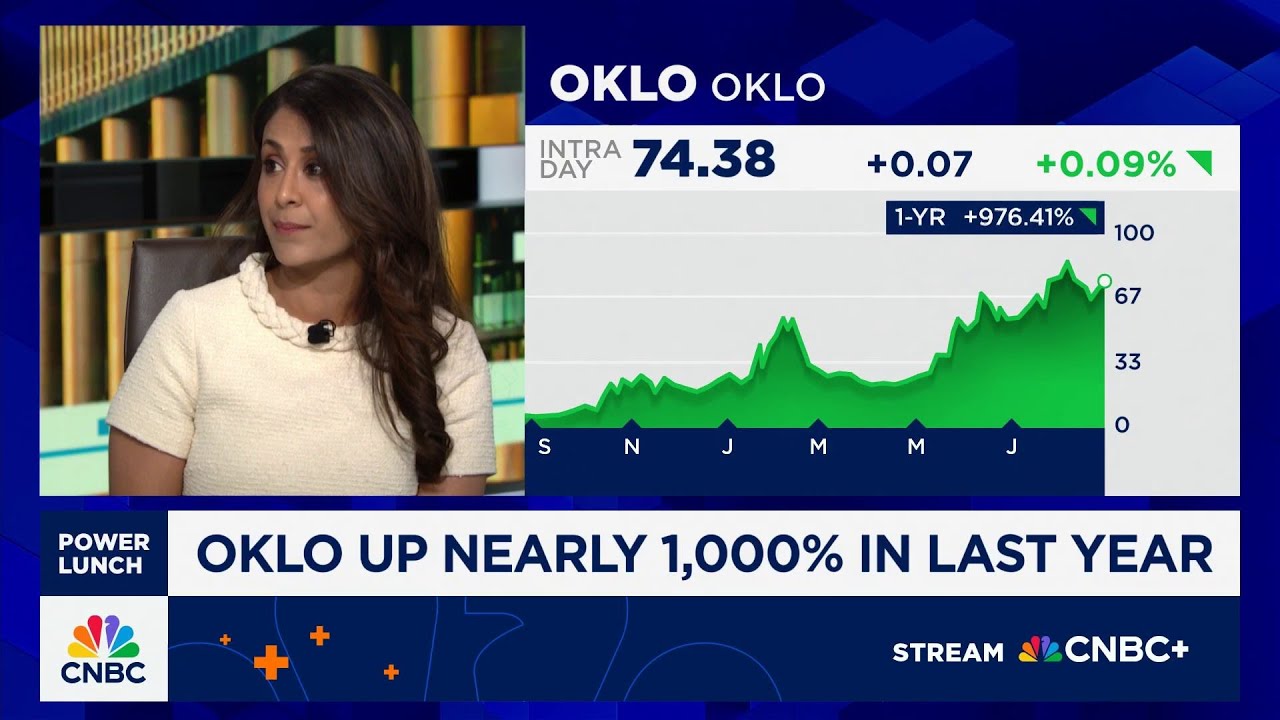
The relentless expansion of artificial intelligence is creating an unprecedented surge in energy demand, transforming the calculus for power generation. This burgeoning need is shining a spotlight on advanced nuclear solutions, particularly Small Modular Reactors (SMRs), as a critical enabler for the AI era.
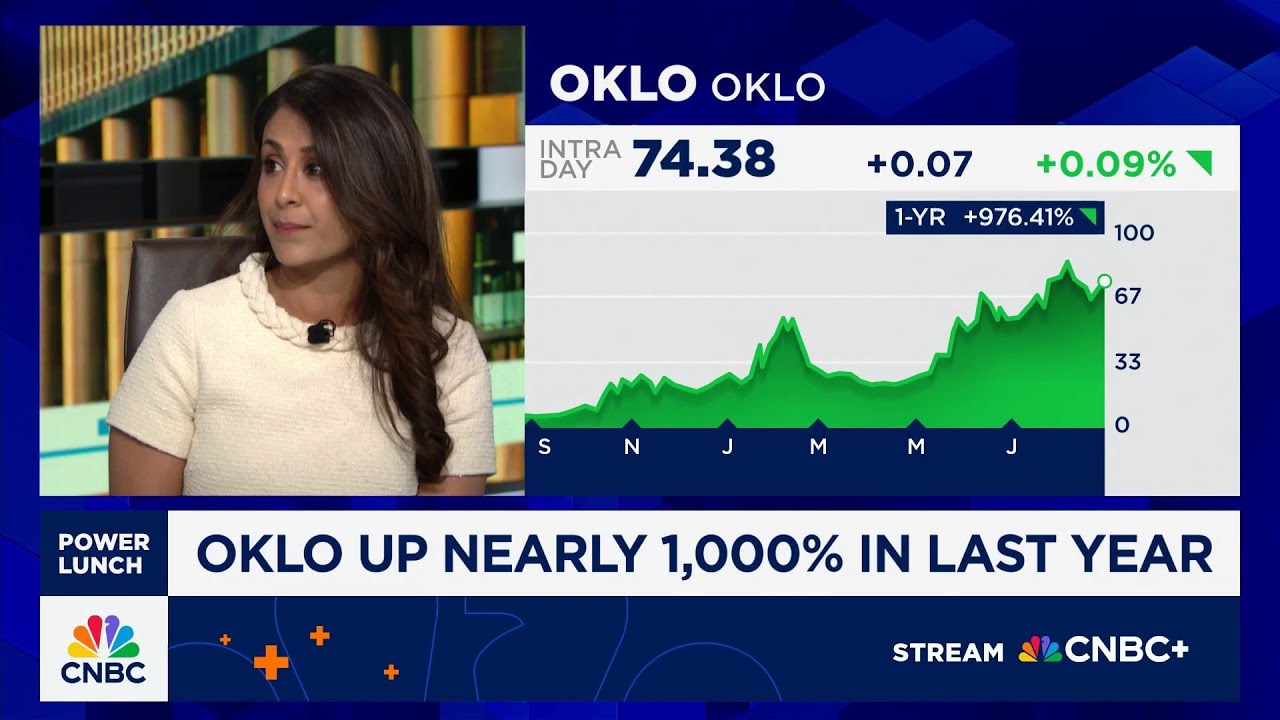
Dimple Gosai, Bank of America's Clean Energy Analyst, recently joined CNBC's 'Power Lunch' to discuss why Oklo, a company focused on advanced fission power, is uniquely positioned to capitalize on this shift. Her analysis underscored the convergence of policy support, technological maturation, and overwhelming customer interest driving the SMR market, particularly for data centers.
The interviewer initially expressed skepticism, likening SMRs to a "hope and a dream" yet to materialize. Gosai swiftly countered, drawing a parallel to the early days of utility-scale solar, which was virtually non-existent before 2005 but is now a cornerstone of the energy mix. She asserted that the conversation has moved beyond mere feasibility: "Today it's not about whether it will work or it won't, Brian. It's almost about who gets there first." This frames the SMR race as a competition for market leadership, driven by a clear and present need for reliable, carbon-free power.
A core insight Gosai presented was the sheer scale of anticipated electricity demand. She projected a 25% increase in electricity demand by 2030, with a staggering "half of that... going to come from AI and data centers." This direct link between AI growth and power consumption highlights the urgency for innovative energy solutions. Oklo stands out in this landscape, boasting "the largest pipeline of all SMRs at 14 gigawatts, and majority of that is backed by hyperscalers." This significant order book, including 12 gigawatts from Switch, a major data center operator, signals robust market confidence in Oklo's technology and its ability to meet the specialized demands of AI infrastructure.
The inherent modularity of SMRs offers a distinct advantage over the traditional, multi-billion-dollar, multi-decade large nuclear projects. Gosai emphasized this, stating, "They're modular, and you can stack them on." This design flexibility allows for quicker deployment, reduced construction risks, and the ability to scale power generation precisely to demand, avoiding the massive cost overruns and protracted timelines that have plagued conventional nuclear builds.