

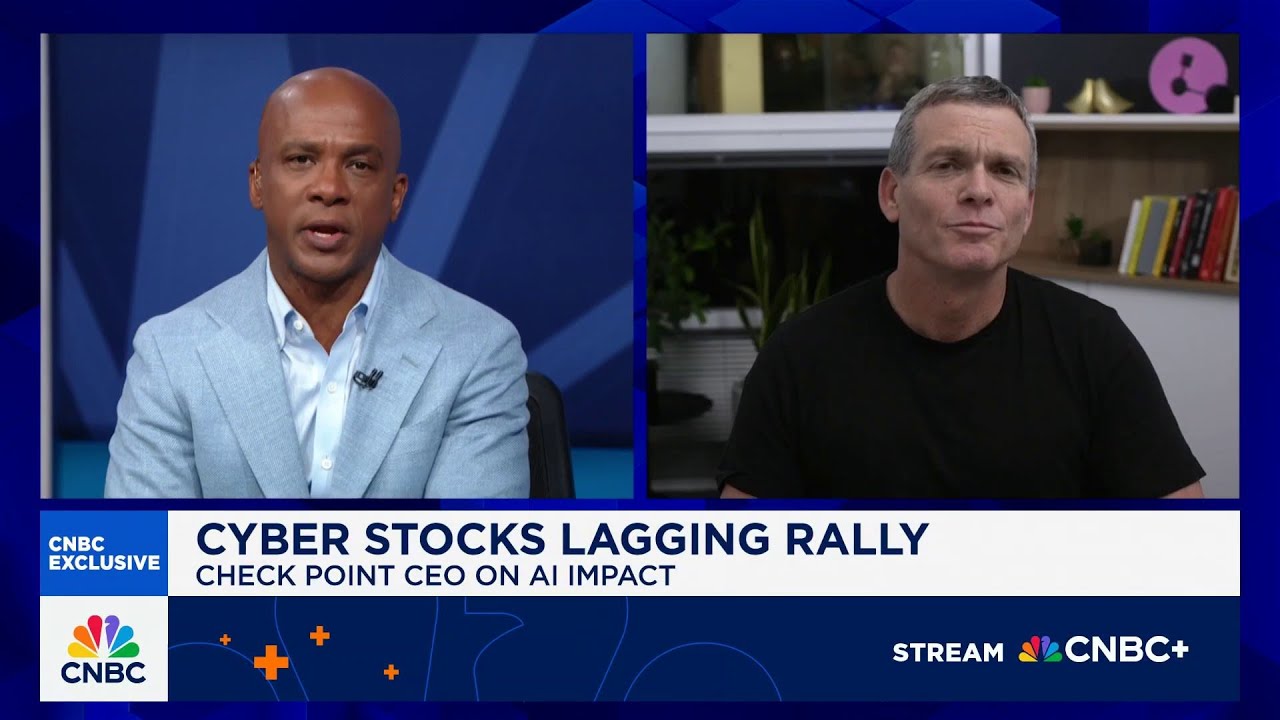
Nadav Zafrir, CEO of Check Point, unequivocally declared artificial intelligence a "once in a generation change in technology and the way we consume it," emphasizing that the cybersecurity industry is merely in the "first inning" of this transformative shift. His insights, shared with CNBC's Jon Fortt on "Closing Bell Overtime," painted a vivid picture of both the immense opportunities and the escalating threats AI presents, particularly in the wake of Check Point's strategic acquisition of AI security firm Lakera. This move underscores a pivotal moment where traditional cybersecurity paradigms must evolve rapidly to secure an increasingly autonomous and AI-driven digital landscape.
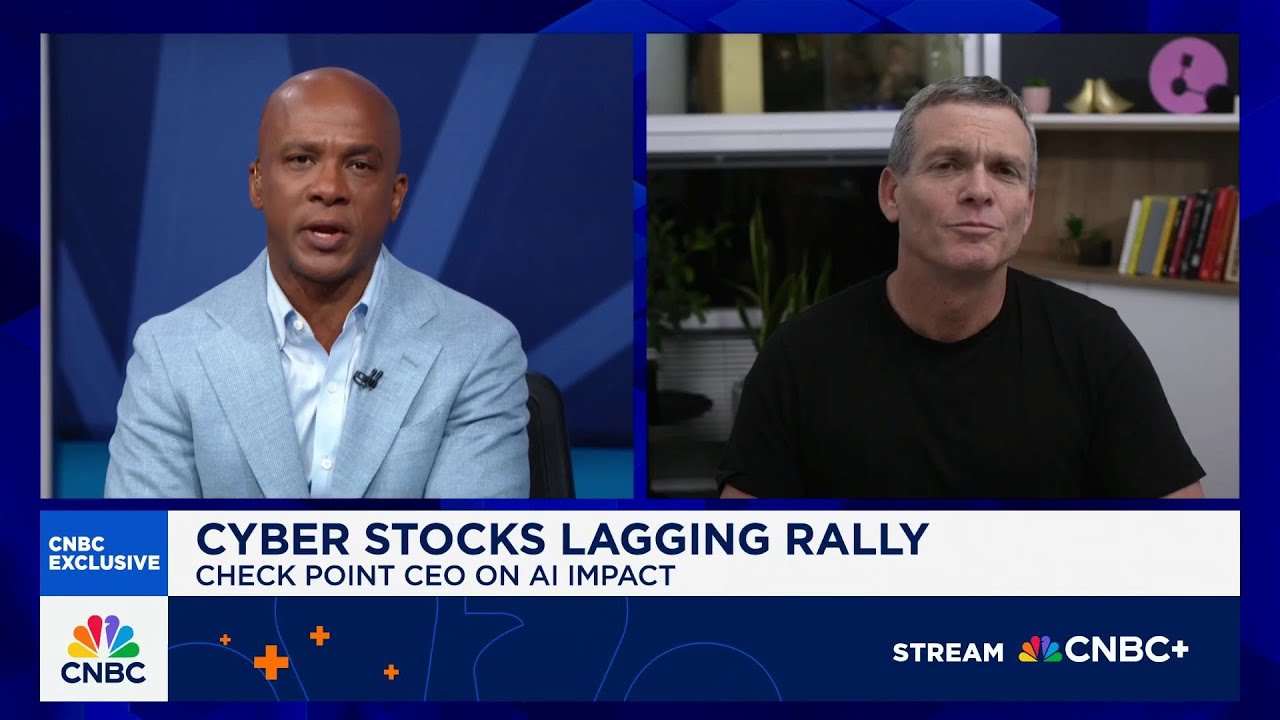
Check Point’s vision for navigating this nascent era centers on establishing a "full-stack security for AI." Zafrir highlighted the Lakera acquisition as a crucial "stepping stone" in this journey, bringing AI-native protection specifically designed for Large Language Models (LLMs), generative AI, and other emerging AI applications. The ability to secure these advanced models, which Lakera supports across over 100 languages, is not just about extending existing security measures but about building an entirely new layer of defense tailored to AI's unique vulnerabilities and operational characteristics.
The depth of this specialized technology is what truly excites Zafrir. He stressed that Lakera has developed "one of the only real large language models that's specifically for security." This bespoke approach is vital because, as organizations increasingly develop and deploy their own AI models and homegrown applications, the need for robust runtime security becomes paramount. It's no longer just about securing the perimeter or data loss prevention (DLP) in traditional contexts; it’s about ensuring the integrity and safety of the AI systems themselves as they operate dynamically within enterprise environments.
The conversation also delved into the ongoing industry debate between platform consolidation and best-of-breed solutions. Zafrir acknowledged that "consolidation is real" and a necessity for enterprises seeking streamlined security operations. Check Point's response is an "open platform approach," allowing for the integration of diverse, high-quality security capabilities. This strategy aims to provide comprehensive protection without sacrificing the specialized strengths that individual, best-of-breed solutions offer, particularly in a rapidly fragmenting threat landscape.
Indeed, the advent of AI agents introduces a new level of complexity and potential chaos. Zafrir anticipates a fundamental "mind shift" in how security is conceived and implemented. Historically, security has often been about control, but with autonomous AI agents interacting across unoptimized platforms and infrastructures, a different approach is needed. "We are still going to be in charge but not as much in control," he observed, highlighting a future where human oversight guides intelligent systems rather than directly dictating every action.