


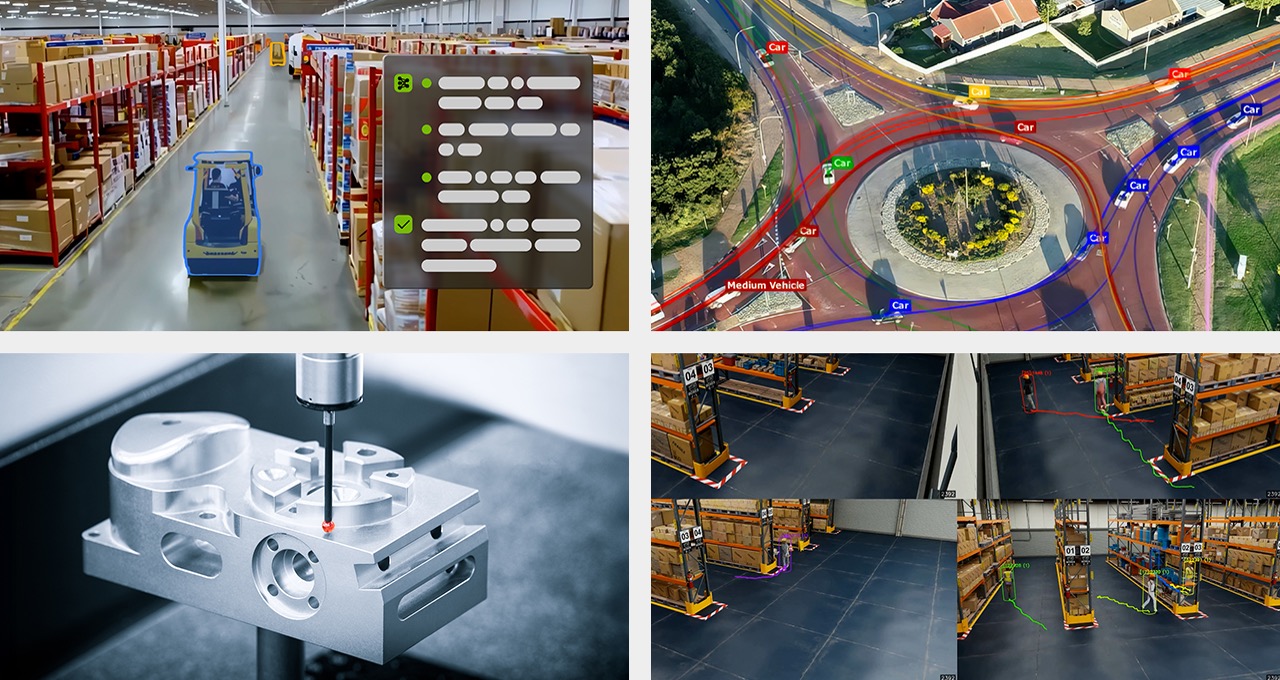
NVIDIA is significantly expanding its "Physical AI" initiatives, aiming to transform how smart cities, industrial facilities, and critical infrastructure operate globally. This push focuses on enabling systems to perceive, reason, and act within real-world environments, promising enhanced safety, efficiency, and automation across various sectors. In an announcement on its blog, NVIDIA detailed its collaborations with key industry partners and unveiled substantial updates to its Metropolis platform, the foundational technology for these advancements.
Physical AI represents a continuous loop of simulating, training, and deploying AI agents that interact with the physical world. This paradigm allows for sophisticated industrial automation, such as automating dangerous tasks involving heavy machinery, improving transportation services, bolstering public safety, and detecting manufacturing defects. The core idea is to equip infrastructure with advanced vision AI capabilities, leveraging video sensors to understand and respond to dynamic environments.