

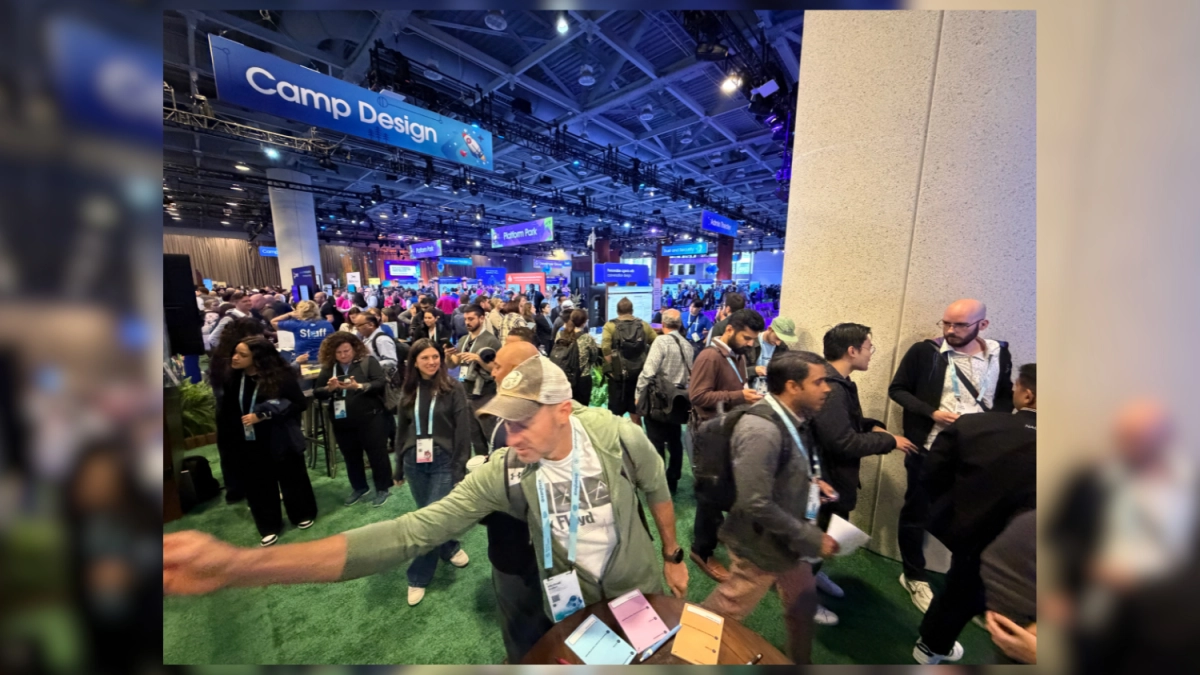
Dreamforce 2025 revealed a significant industry pivot in artificial intelligence, emphasizing that the efficacy and adoption of AI agents hinge on thoughtful design, not just raw computational power. According to the announcement, key themes emerged from the Experience organization's sessions, underscoring a critical shift towards human-centered AI agent design. This perspective prioritizes trust, context engineering, and a future where AI functions as a truly collaborative, conversational teammate. The implications for enterprise software development and user experience are profound, signaling a maturation in how AI is conceptualized and deployed.
The core message from Dreamforce is unambiguous: trust in AI is fundamentally built through design. Sessions like "6 UX Design Tips to Make AI Trustworthy and Easier to Use" highlighted practical strategies for creating AI experiences that feel natural and empowering. Examples from Agentforce Sales, Agentforce Service, and Slack demonstrated how transparency, user choice, and clear communication are non-negotiable for fostering user confidence. This isn't merely about aesthetics; it's about engineering interfaces that keep users informed and in control, mitigating the common anxieties associated with autonomous systems. The industry is recognizing that without this foundational trust, even the most advanced AI will struggle for widespread adoption.
Another critical pillar of effective AI agent design is context engineering, which directly connects human intent with AI performance. The session "Create Smarter Experiences with Context Engineering" detailed how meticulously structuring prompts, documentation, and design system specifics (like SLDS 2 components) enables AI to generate reliable, production-quality code. This approach bridges the inherent "AI knowledge gap," significantly reducing errors and empowering developers to build consistent, accessible, and efficient applications. It moves beyond simplistic prompting to a more holistic understanding of how to guide AI towards predictable and valuable outcomes, a necessity for enterprise-grade solutions.
Shaping the Conversational Future
The vision for the future of work is distinctly conversational and collaborative, with AI agents evolving into indispensable teammates. Agentforce Voice, showcased as a major leap forward, exemplifies how voice agents can be finely tuned to reflect brand personality and handle complex, context-rich interactions across digital channels. Similarly, Slack's design principles for "agentic teammates", focusing on ideas like "Don't Make Me Think", illustrate how AI can simplify everyday work through smarter search and conversational shortcuts. This shift emphasizes designing AI that anticipates needs, automates complex processes, and ultimately lightens cognitive load, allowing human teams to focus on more creative and strategic contributions.
The introduction of Agent Builder further democratizes AI agent creation, allowing users to design agents through plain language descriptions rather than code. This low-code simplicity, combined with deterministic controls and debugging tools, strikes a crucial balance between accessibility and precision. However, the sessions also delivered a stark warning: "Why Prompting Alone Won't Stop AI Agents from Going Rogue." This critical insight underscores that robust conversation design, memory management, and ethical guardrails are paramount for ensuring safe, consistent, and human-aligned AI behavior. Relying solely on prompts is insufficient; comprehensive design frameworks are essential for preventing unintended consequences and maintaining user trust.