#Diffusion Models
21 articles with this tag
AI Data is the New Bottleneck, Not Models
AI experts at YC Data Club reveal data quality, not model architecture, is the key bottleneck in AI development, emphasizing the need for expert supervision and innovative data strategies.
Capability-Driven Data for Generative AI
A new capability-driven data infrastructure enables the creation of large-scale multimodal diffusion models by organizing heterogeneous supervision.
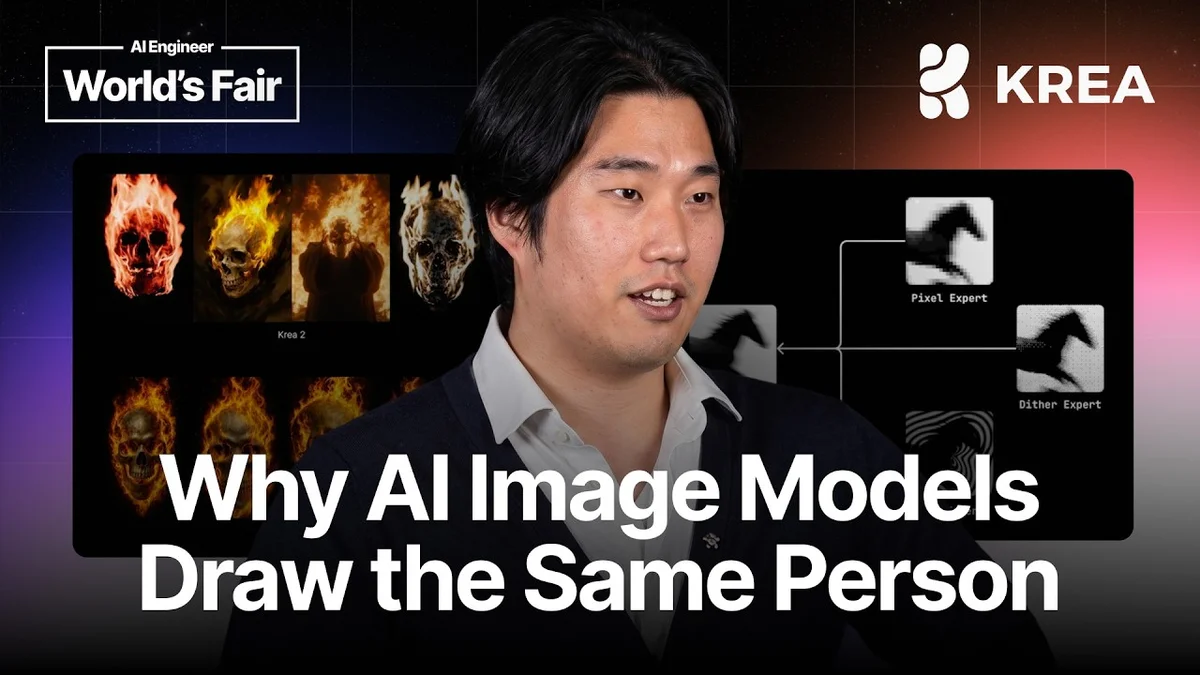
Krea.ai Details Krea 2 Image Model Training
Sangwha Lee of Krea.ai details the rigorous data curation and training process behind the Krea 2 image generation model, emphasizing stylistic diversity and efficiency.
Chai Discovery: Scaling Drug Design as a Software Problem
Chai Discovery's co-founders discuss their approach to AI-driven drug design, emphasizing simplicity, scaling laws, and the transformation of biology into an engineering discipline.
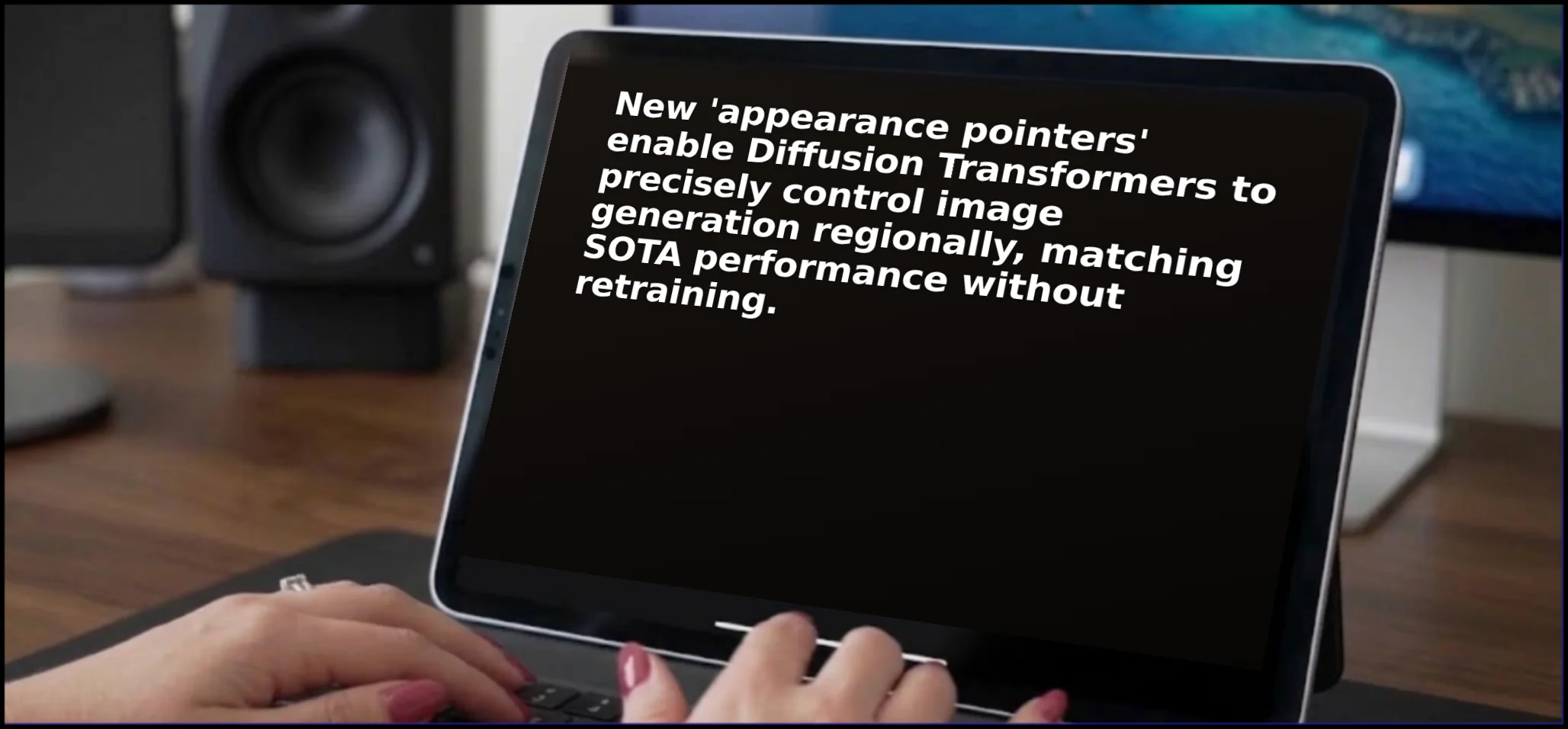
DiTs Unlock Precise Regional Image Control
New 'appearance pointers' enable Diffusion Transformers to precisely control image generation regionally, matching SOTA performance without retraining.
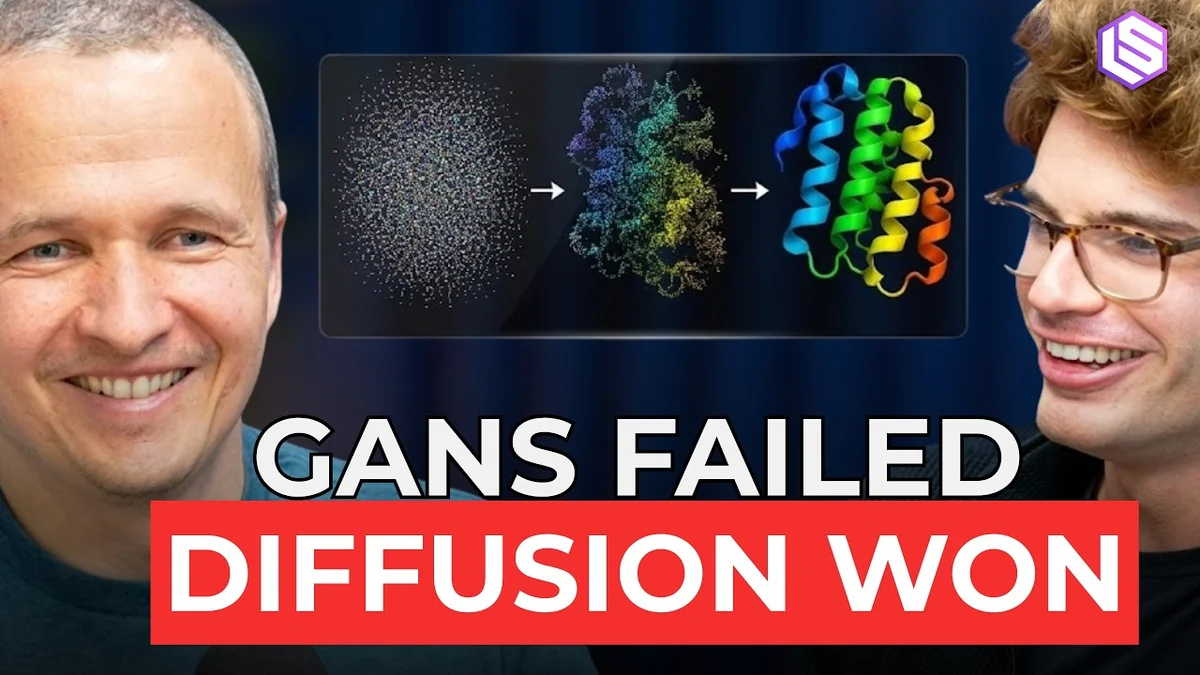
Diffusion Research: Drug Discovery Outshines Image Generation
AI's diffusion model research is making bigger waves in drug discovery than image generation, tackling complex molecular interactions with physics-informed AI.
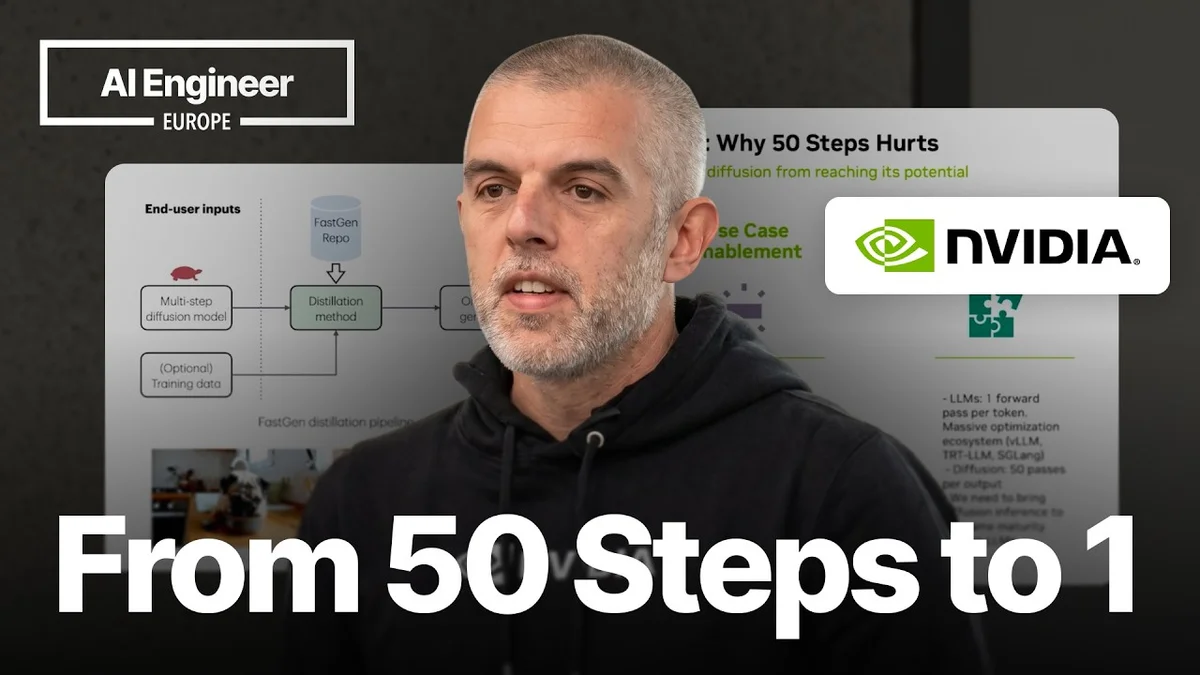
Nvidia's Ziv Ilan on Faster Diffusion Models
Nvidia's Ziv Ilan explains how to reduce diffusion model latency using quantization, caching, and distillation, plus the new FastGen library.
Bridging Diffusion LLMs and Speculative Decoding
A novel SimSD speculative decoding method enables diffusion LLMs to achieve up to 7.46x higher throughput without sacrificing generation quality.

Visual AI's Next Act: Generating Code, Not Just Pixels
Visual AI is shifting from static image generation to creating editable code artifacts, unlocking new levels of iteration and production integration, especially in 3D.
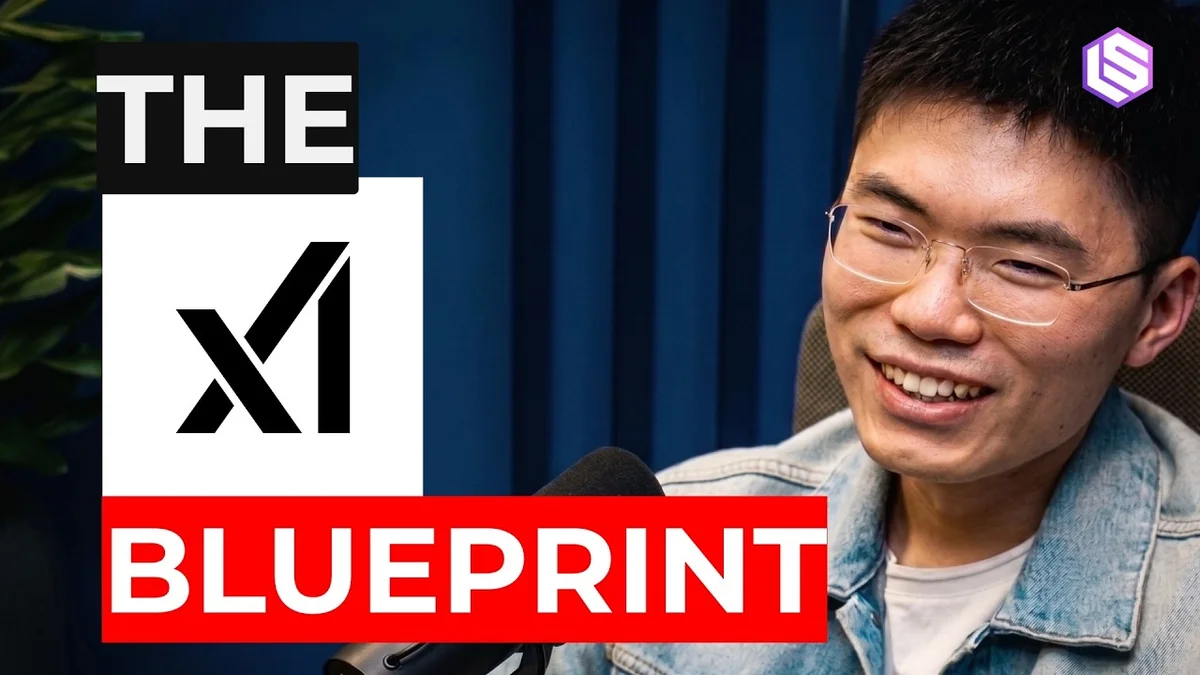
xAI's Ethan He on Grok, Video Agents & AI Futures
xAI's Ethan He discusses how language models drive visual AI, the rapid development of Grok Imagine, and the future of AI-generated interfaces.
YC Paper Club: Inference, Diffusion, World Models
YC Paper Club event featuring discussions on AI inference, diffusion models, and world models, with insights from Francois Chaubard and Tanishq Kumar.
Diffusion Models: Associative Memory with Creative Spark
UDDMs function as Associative Memories with emergent creativity. Conditional entropy signals the memorization-to-generalization transition, driven by dataset size.
MISTY: Single-Step Planning for Autonomous Driving
MISTY motion planner achieves SOTA closed-loop performance in autonomous driving via single-step inference, enabling proactive maneuvers at 99+ FPS.
HiVLA: Decoupling Reasoning for Robotic Control
HiVLA decouples VLM reasoning from motor control using a hierarchical framework, enhancing robotic manipulation performance and preserving zero-shot capabilities.
DMax: Parallel Decoding for Diffusion LLMs
DMax revolutionizes diffusion language models with Soft Parallel Decoding, boosting TPF significantly while preserving accuracy and achieving 1,338 TPS.
Drifting Models Revolutionize MRI-to-CT Synthesis
Drifting models outperform diffusion and traditional methods in MRI-to-CT synthesis, offering millisecond inference for efficient, high-quality pelvic imaging.
EdgeDiT: Transformers on the Edge
EdgeDiT brings high-fidelity generative AI to mobile devices by optimizing Diffusion Transformers for NPUs, achieving significant efficiency gains.
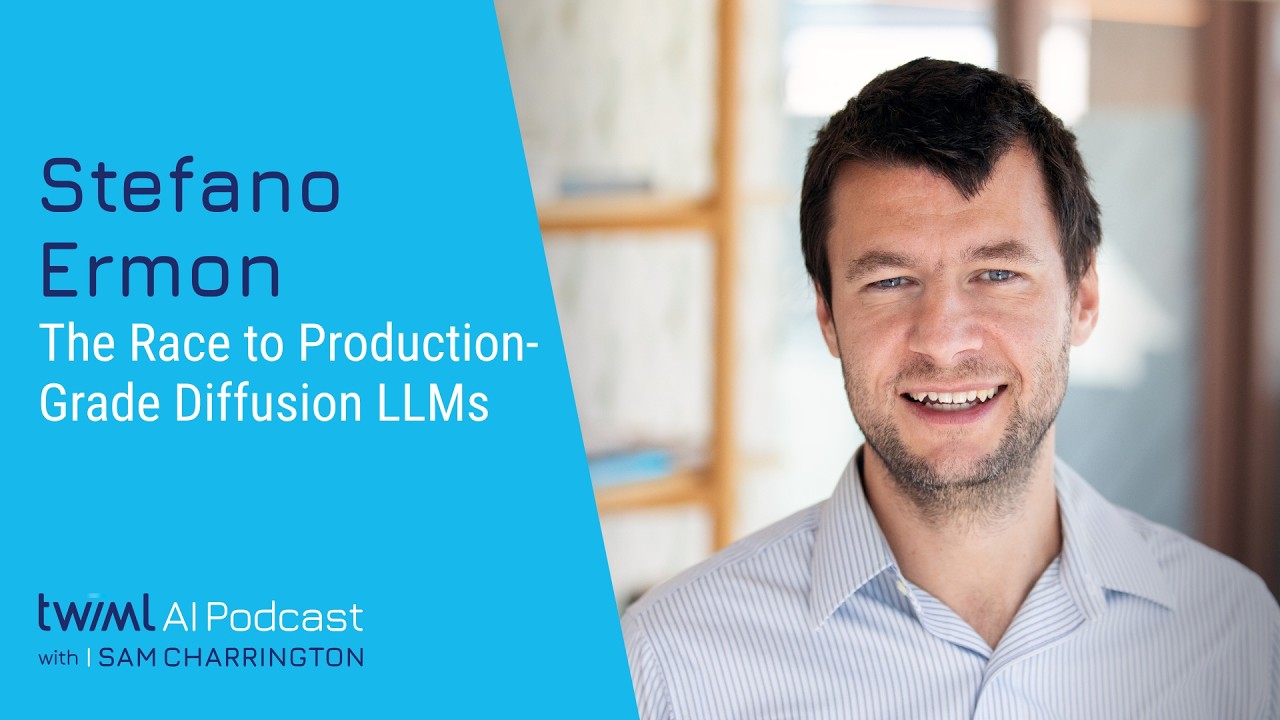
Stefano Ermon on Diffusion Models for Text
Stefano Ermon discusses the potential of diffusion models for text generation, highlighting their advantages in controllability and efficiency over traditional autoregressive models.
DCDP: Dynamic Diffusion Policies for Robotics
The DCDP framework enhances robotic adaptability in dynamic environments by integrating real-time environmental dynamics for improved action correction, achieving significant performance gains with minimal computational overhead.
NAP: Unlocking Parallel Generation in Diffusion Language Models
Researchers propose NAP, a data-centric approach to enable true parallel generation in Diffusion Language Models by aligning training data with non-autoregressive decoding.