

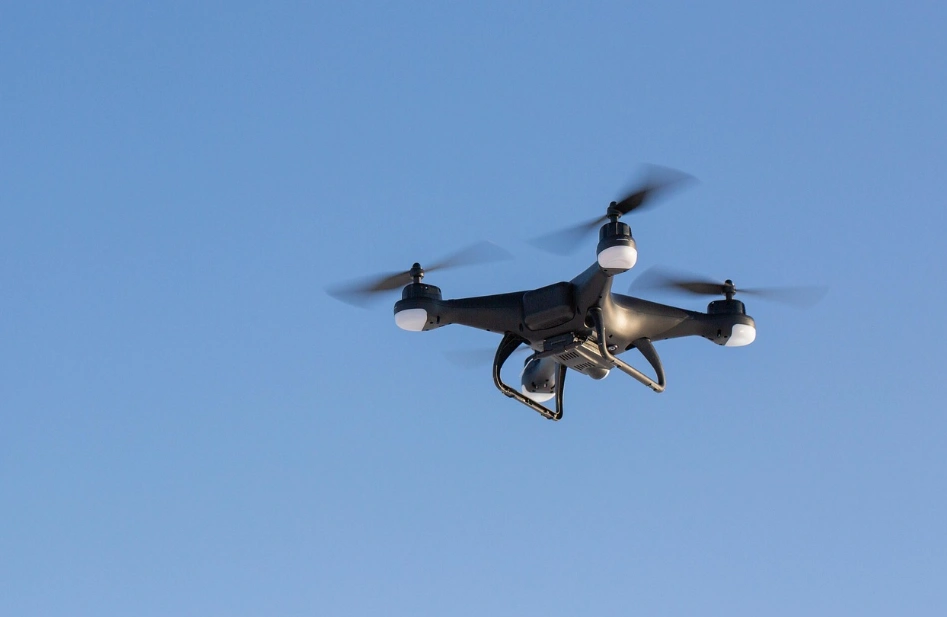
In a significant advancement for drone logistics, Flytrex and Wing have introduced a pioneering Unmanned Traffic Management (UTM) Strategic Coordination in the United States. This collaboration enables the two drone delivery companies to actively coordinate their commercial operations through UTM services, ensuring safer and more efficient flights in low-altitude airspace. By sharing operation intents and strategically coordinating drone paths, Flytrex and Wing are setting a new standard for scalable and collaborative drone delivery systems.
The Skyward Shift: From Roads to Airspace
The drone delivery market is experiencing rapid growth. In 2024, the global delivery drones market was valued at $528.4 million and is projected to grow at a compound annual growth rate (CAGR) of 33.9% between 2025 and 2034, reaching a staggering $10.4 billion This surge reflects a broader shift from traditional vehicle-based deliveries to aerial solutions, driven by the need for fater, more fficient, and environmentally friendly logistics.
Moreover, consumer attitudes are also evolving. A McKinsey survey revealed that 76% of global respondents are willing to switch to drone deliveries from other delivery modes, marking a 19% increase from the previous survey in 2021. The survey also examined the willingness to pay for deliveries of prepared food, everyday items, groceries, and medical supplies. This growing acceptance underscores the potential for drones to become a mainstream delivery method.
Economic and Environmental Advantages
Drone deliveries are not just efficient, they're cost-effective too. Wing’s research suggests that businesses could save up to 60% on delivery costs by switching to autonomous systems. Additionally, depot-based drone delivery models have demonstrated up to 60% cost savings compared to truck-only delivery when servicing low-demand areas. This not only saves money but also reduces the carbon footprint, making it a win-win for businesses and the environment.
Environmentally, drones present a sustainable alternative. Being battery-powered, they produce zero direct emissions, aligning with global efforts to reduce carbon footprints. This shift benefits the environment and enhances operational efficiency by reducing reliance on fossil fuels and mitigating traffic congestion.