

US Eyes Nuclear Power Amid AI Energy Demand Surge

Deep Fission CEO Liz Muller discusses how AI's energy demands are driving interest in nuclear power and their company's innovative underground reactor technology.

8 min read
Liz Muller, Co-Founder & CEO of Deep Fission, speaking in an interview.
Bloomberg Podcast

The insatiable appetite of artificial intelligence for electricity is forcing a critical reassessment of the United States' energy infrastructure, with nuclear power emerging as a key solution. As AI models become more sophisticated and data centers proliferate, the demand for consistent, high-capacity power is surging, placing immense pressure on existing grids. This trend is driving renewed interest in nuclear energy, a sector that has faced significant challenges in recent decades.
Visual TL;DR. AI Energy Demand Surge leads to Pressure on Grids. Pressure on Grids causes Renewed Nuclear Interest. Renewed Nuclear Interest prompts Deep Fission. Deep Fission develops Borehole Reactor Tech. Borehole Reactor Tech enables Consistent High Power. Deep Fission focuses on Addressing Barriers.

Related startups

  1. AI Energy Demand Surge: insatiable appetite of artificial intelligence for electricity is surging
  2. Pressure on Grids: placing immense pressure on existing energy grids
  3. Renewed Nuclear Interest: driving renewed interest in nuclear energy sector
  4. Deep Fission: company developing innovative underground reactor technology
  5. Borehole Reactor Tech: unique 'borehole' nuclear reactor technology, deployed a mile underground
  6. Addressing Barriers: aims to address cost and time barriers of nuclear power
  7. Consistent High Power: providing consistent, high-capacity power for advanced technologies
Visual TL;DR
Visual TL;DR — startuphub.ai AI Energy Demand Surge leads to Pressure on Grids. Pressure on Grids causes Renewed Nuclear Interest. Renewed Nuclear Interest prompts Deep Fission. Deep Fission develops Borehole Reactor Tech leads to causes prompts develops AI Energy Demand Surge Pressure on Grids Renewed Nuclear Interest Deep Fission Borehole Reactor Tech From startuphub.ai · The publishers behind this format
Visual TL;DR — startuphub.ai AI Energy Demand Surge leads to Pressure on Grids. Pressure on Grids causes Renewed Nuclear Interest. Renewed Nuclear Interest prompts Deep Fission. Deep Fission develops Borehole Reactor Tech leads to causes prompts develops AI Energy DemandSurge Pressure on Grids Renewed NuclearInterest Deep Fission Borehole ReactorTech From startuphub.ai · The publishers behind this format
Visual TL;DR — startuphub.ai AI Energy Demand Surge leads to Pressure on Grids. Pressure on Grids causes Renewed Nuclear Interest. Renewed Nuclear Interest prompts Deep Fission. Deep Fission develops Borehole Reactor Tech leads to causes prompts develops AI Energy Demand Surge insatiable appetite of artificialintelligence for electricity is surging Pressure on Grids placing immense pressure on existingenergy grids Renewed Nuclear Interest driving renewed interest in nuclear energysector Deep Fission company developing innovative undergroundreactor technology Borehole Reactor Tech unique 'borehole' nuclear reactortechnology, deployed a mile underground From startuphub.ai · The publishers behind this format
Visual TL;DR — startuphub.ai AI Energy Demand Surge leads to Pressure on Grids. Pressure on Grids causes Renewed Nuclear Interest. Renewed Nuclear Interest prompts Deep Fission. Deep Fission develops Borehole Reactor Tech leads to causes prompts develops AI Energy DemandSurge insatiable appetiteof artificialintelligence for… Pressure on Grids placing immensepressure onexisting energy… Renewed NuclearInterest driving renewedinterest in nuclearenergy sector Deep Fission company developinginnovativeunderground reactor… Borehole ReactorTech unique 'borehole'nuclear reactortechnology,… From startuphub.ai · The publishers behind this format
Visual TL;DR — startuphub.ai AI Energy Demand Surge leads to Pressure on Grids. Pressure on Grids causes Renewed Nuclear Interest. Renewed Nuclear Interest prompts Deep Fission. Deep Fission develops Borehole Reactor Tech. Borehole Reactor Tech enables Consistent High Power. Deep Fission focuses on Addressing Barriers leads to causes prompts develops enables focuses on AI Energy Demand Surge insatiable appetite of artificialintelligence for electricity is surging Pressure on Grids placing immense pressure on existingenergy grids Renewed Nuclear Interest driving renewed interest in nuclear energysector Deep Fission company developing innovative undergroundreactor technology Borehole Reactor Tech unique 'borehole' nuclear reactortechnology, deployed a mile underground Addressing Barriers aims to address cost and time barriers ofnuclear power Consistent High Power providing consistent, high-capacity powerfor advanced technologies From startuphub.ai · The publishers behind this format
Visual TL;DR — startuphub.ai AI Energy Demand Surge leads to Pressure on Grids. Pressure on Grids causes Renewed Nuclear Interest. Renewed Nuclear Interest prompts Deep Fission. Deep Fission develops Borehole Reactor Tech. Borehole Reactor Tech enables Consistent High Power. Deep Fission focuses on Addressing Barriers leads to causes prompts develops enables focuses on AI Energy DemandSurge insatiable appetiteof artificialintelligence for… Pressure on Grids placing immensepressure onexisting energy… Renewed NuclearInterest driving renewedinterest in nuclearenergy sector Deep Fission company developinginnovativeunderground reactor… Borehole ReactorTech unique 'borehole'nuclear reactortechnology,… AddressingBarriers aims to addresscost and timebarriers of nuclear… Consistent HighPower providingconsistent,high-capacity power… From startuphub.ai · The publishers behind this format

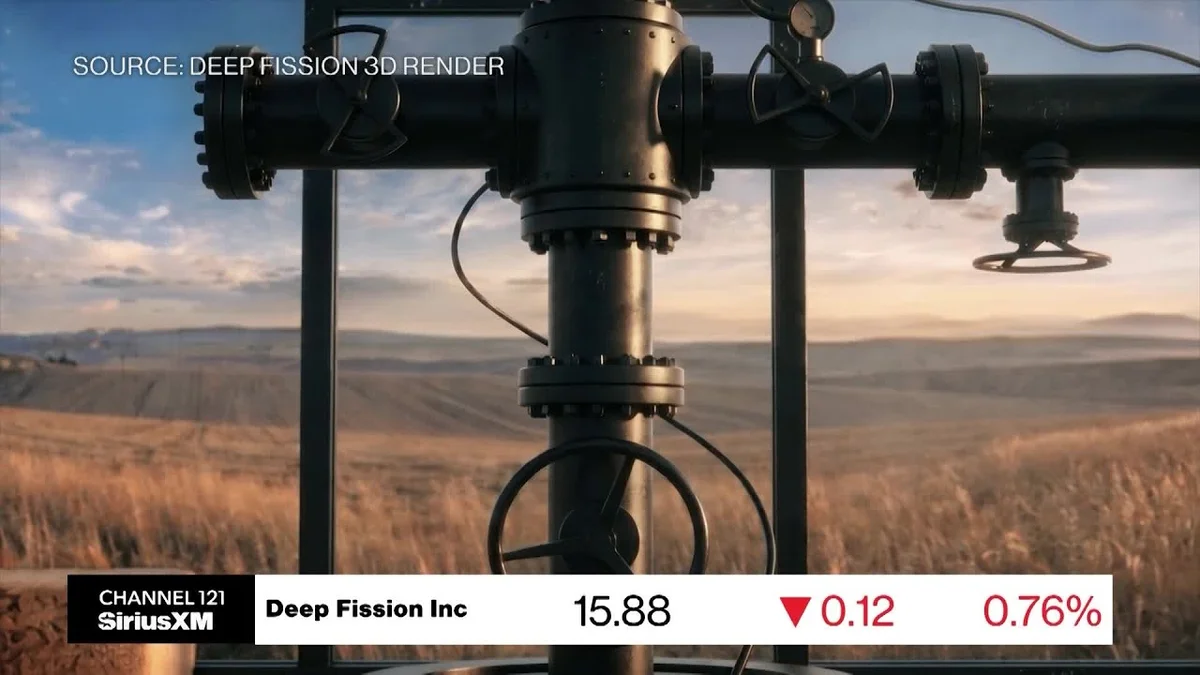
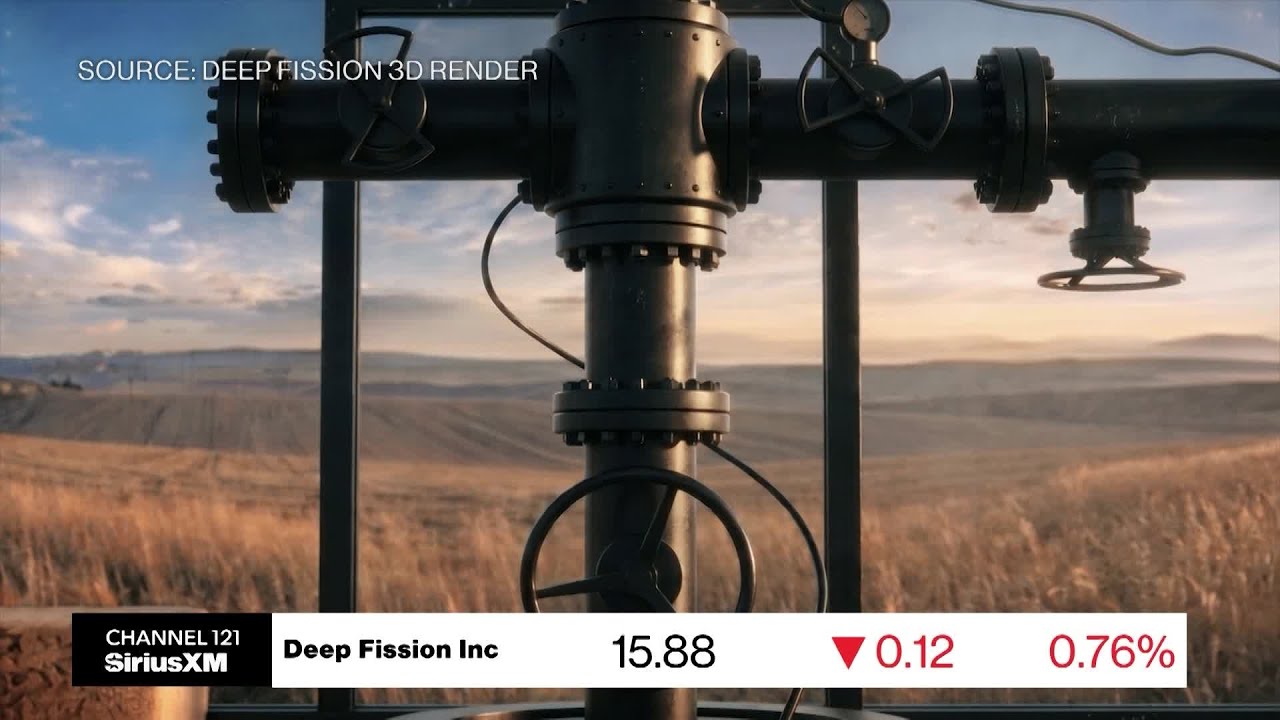
Liz Muller, Co-Founder and CEO of Deep Fission Inc., discussed her company's innovative approach to nuclear power generation, which aims to address the energy demands of advanced technologies like AI. Deep Fission is developing a unique 'borehole' nuclear reactor technology, a departure from conventional above-ground designs.

Deep Fission's Borehole Reactor Technology

Muller explained that Deep Fission's approach involves deploying reactors a mile underground. She highlighted the advantages of this method, stating, "When you deploy it in a borehole a mile under ground, you can deploy it much faster and at a significantly lower cost." This is attributed to the ability to utilize existing geological formations, which reduces the need for the extensive construction and containment structures typically associated with above-ground nuclear power plants. "You don't need big expensive containment structures... You can build it faster and at a significantly lower cost," Muller added.

The full discussion can be found on Bloomberg Podcast's YouTube channel.

US Looks To Expand Nuclear as AI Drives Up Energy Demand - Bloomberg Podcast
US Looks To Expand Nuclear as AI Drives Up Energy Demand, from Bloomberg Podcast

The company's technology draws on proven concepts, including pressurized water reactor technology, combined with established underground drilling techniques. This fusion of existing, reliable technologies is intended to accelerate deployment timelines. Muller emphasized this point: "We are using proven technology that already exists and combining that with deep borehole drilling, which is also something that we know how to do."

Addressing Cost and Time Barriers

Traditional nuclear power projects are notorious for their lengthy construction periods and substantial cost overruns. Muller pointed out that the conventional approach requires extensive site preparation and the construction of complex containment buildings, which can take years and incur massive expenses. Deep Fission's underground model bypasses many of these hurdles. "We don't need to build a manufacturing facility or a fabrication facility... we can go straight to building the reactor itself," Muller stated. This streamlined process, she believes, is key to meeting the urgent energy needs driven by AI development.

Muller elaborated on the efficiency gains: "We can measure it in weeks, not years... So it's really a much, much faster, build time to get something like a borehole proof of concept... which is a significant milestone because we are going to be able to prove out that next milestone, our big milestone is the commercial generation of electricity."

The Role of AI in Driving Demand

The conversation underscored the direct link between the rapid growth of AI and the escalating demand for electricity. Muller noted the significant demand from data centers: "We've got 15 gigawatts of LOIs for AI reactor projects... that's going to be something that we can measure in weeks, not years." She explained that the demand for reliable, baseload power from AI companies is a major catalyst for their technological development. "We are targeting late 2027 or early 2028 for that first deployment and powering electricity," Muller announced, highlighting the aggressive timeline for bringing their technology to market.

Muller also touched upon the market's reaction to Deep Fission's innovative approach. She mentioned that while initial responses sometimes included disbelief, the company's ability to leverage existing technologies and their aggressive deployment schedule are gaining traction. "We get both responses. Some people say, 'Oh my God, that's crazy, I've never heard of anything like this.' And then others say, 'Oh my God, I've never heard of anything like this, what a brilliant idea,'" she shared.

The company's strategy is to prove the viability of their underground reactors by building a first commercial unit, aiming for a 2027-2028 operational date. This ambitious timeline is driven by the urgent need for clean, reliable energy to power the AI revolution. Muller is confident that their approach will succeed, stating, "We are going to be able to prove out that next milestone, our big milestone is the commercial generation of electricity... We're going to build the borehole proof of concept, which we are looking to do this fall."

© 2026 StartupHub.ai. All rights reserved. Do not enter, scrape, copy, reproduce, or republish this article in whole or in part. Use as input to AI training, fine-tuning, retrieval-augmented generation, or any machine-learning system is prohibited without written license. Substantially-similar derivative works will be pursued to the fullest extent of applicable copyright, database, and computer-misuse laws. See our terms.