

Thiel: Mafia-like Corruption Stifles American Innovation

Peter Thiel argues that "mafia-like corruption" and regulatory hurdles are stifling American innovation, leading to a slowdown in technological progress.

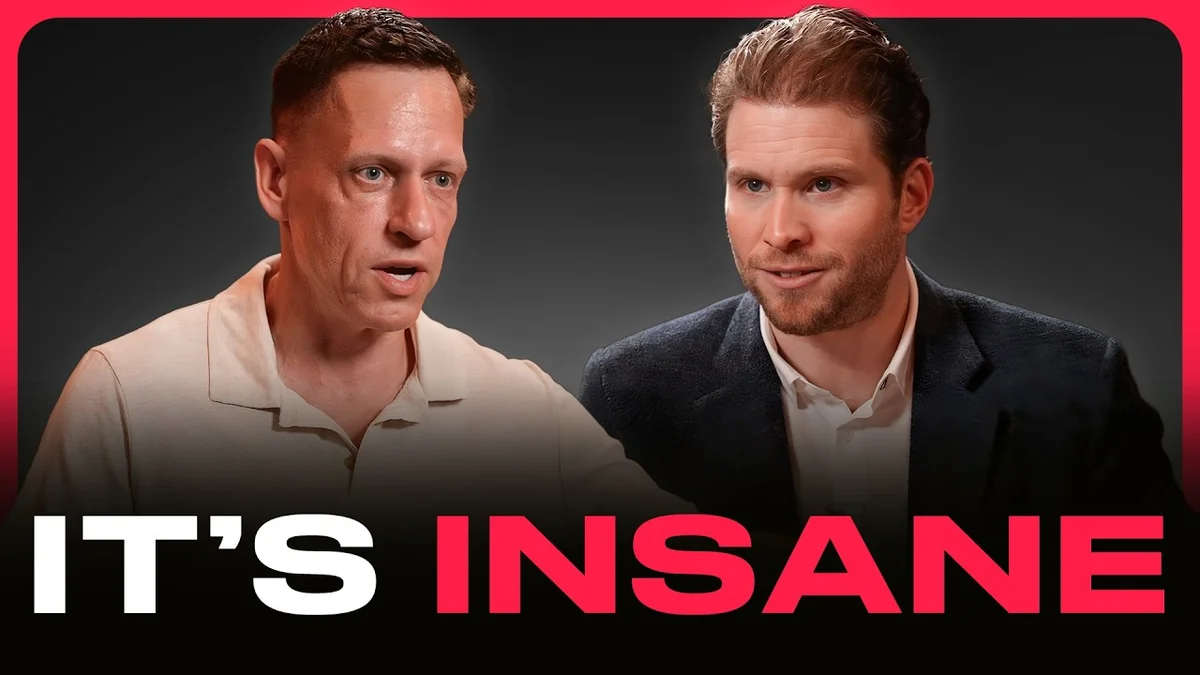
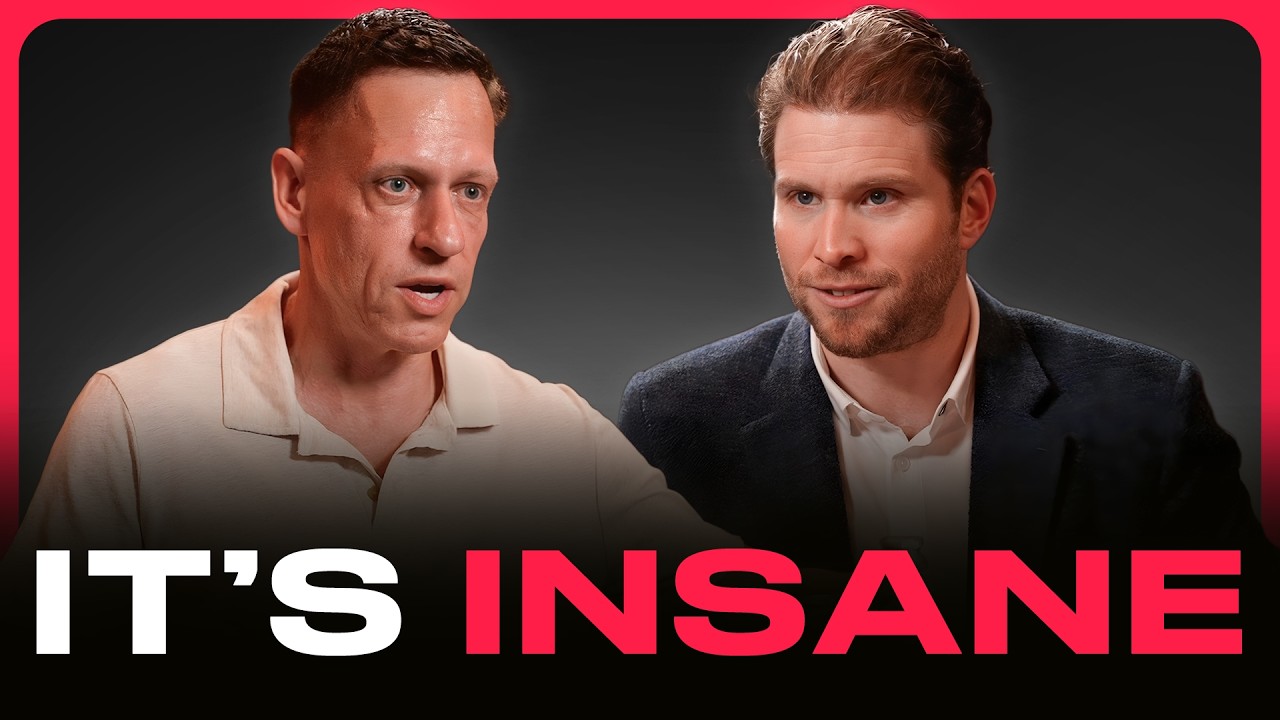
Peter Thiel speaking in a studio setting.
Joe Lonsdale
Visual TL;DR
Risk AversionDriver
cultural shift towards avoiding risks hindering bold ideas
From the articleHe suggested that a pervasive risk aversion and an overly complex regulatory system create significant barriers to new ideas and ventures.
Peter ThielCore
From the article 6 mentionsVenture capitalist and tech icon Peter Thiel has voiced strong concerns about the state of American innovation, attributing a significant slowdown to what he describes as "mafia-like corruption." In a recent discussion, Thiel highlighted a perceived lack of significant technological progress over the past 50 years, contrasting it with the rapid advancements of previous eras.
New TechnologiesContext
promise of future advancements despite current challenges
From the article 3 mentionsHe contrasted this with the rapid development and deployment of technologies in other parts of the world, implying that the American system is actively hindering progress.
Mafia-like CorruptionDriver
pervasive corruption stifling American innovation and progress
From the articleVenture capitalist and tech icon Peter Thiel has voiced strong concerns about the state of American innovation, attributing a significant slowdown to what he describes as "mafia-like corruption." In a recent discussion, Thiel highlighted a perceived lack of significant technological progress over the past 50 years, contrasting it with the rapid advancements of previous eras.
Regulatory HurdlesDriver
excessive regulations creating significant barriers to new ventures
From the article 4 mentionsInstead, he emphasized the role of cultural factors and regulatory environments.
Stagnant ProgressOutcome
slowdown in fundamental technological advancements over decades
From the article 3 mentionsThiel pointed to the stark difference in progress between the late 19th and early 20th centuries, a period of rapid industrialization and technological breakthroughs, and the present day.
Innovation SlowdownOutcome
From the article 6 mentionsVenture capitalist and tech icon Peter Thiel has voiced strong concerns about the state of American innovation, attributing a significant slowdown to what he describes as "mafia-like corruption." In a recent discussion, Thiel highlighted a perceived lack of significant technological progress over the past 50 years, contrasting it with the rapid advancements of previous eras.
Contents(3)

Venture capitalist and tech icon Peter Thiel has voiced strong concerns about the state of American innovation, attributing a significant slowdown to what he describes as "mafia-like corruption." In a recent discussion, Thiel highlighted a perceived lack of significant technological progress over the past 50 years, contrasting it with the rapid advancements of previous eras.

The Stagnation of Progress

Thiel pointed to the stark difference in progress between the late 19th and early 20th centuries, a period of rapid industrialization and technological breakthroughs, and the present day. He argued that while innovation continues, its pace has dramatically decelerated, particularly in fundamental sectors like energy and transportation.

Cultural and Regulatory Hurdles

According to Thiel, this slowdown is not solely due to a lack of scientific or engineering talent. Instead, he emphasized the role of cultural factors and regulatory environments. He suggested that a pervasive risk aversion and an overly complex regulatory system create significant barriers to new ideas and ventures.

The full discussion can be found on Joe Lonsdale's YouTube channel.

Peter Thiel:  Mafia-like Corruption is Killing American Innovation - Joe Lonsdale
Peter Thiel: Mafia-like Corruption is Killing American Innovation, from Joe Lonsdale

Thiel elaborated on this by noting that in fields like nuclear energy, regulatory bodies have made it exceptionally difficult to approve new reactor designs, effectively stifling innovation in a critical sector. He contrasted this with the rapid development and deployment of technologies in other parts of the world, implying that the American system is actively hindering progress.

The Promise of New Technologies

Despite his critical assessment of the current state, Thiel also expressed optimism about the potential of emerging technologies, such as artificial intelligence, to drive future innovation. However, he stressed that overcoming existing systemic obstacles is crucial for these technologies to reach their full potential and benefit society.

Thiel's remarks suggest a call to action for policymakers and industry leaders to re-evaluate the regulatory landscape and foster a culture that embraces and encourages risk-taking, which he believes is essential for reigniting American innovation and competitiveness.

© 2026 StartupHub.ai. All rights reserved. You may not republish this article in full without a license. Search engines and AI research tools may crawl and summarize for reference. Bulk reproduction or model training requires a license. See our terms.
Daniel Singer

Written by

Daniel Singer

Editor, StartupHub.ai

Daniel Singer is the editor of StartupHub.ai, a technology expert and thought leader on AI and its applications across sectors, from fintech and healthcare to developer tooling and consumer software. He writes and tests the tools covered here thoroughly and regularly, and built StartupHub.ai to give founders, operators and buyers a clearer read on what they are actually being sold.