


The Next War: Drones, AI, and the Evolving Battlefield

Yaroslav Azhnyuk and Noah Smith discuss the escalating role of AI and drones in modern warfare, from Ukraine's battlefield to China's manufacturing might.

6 min read
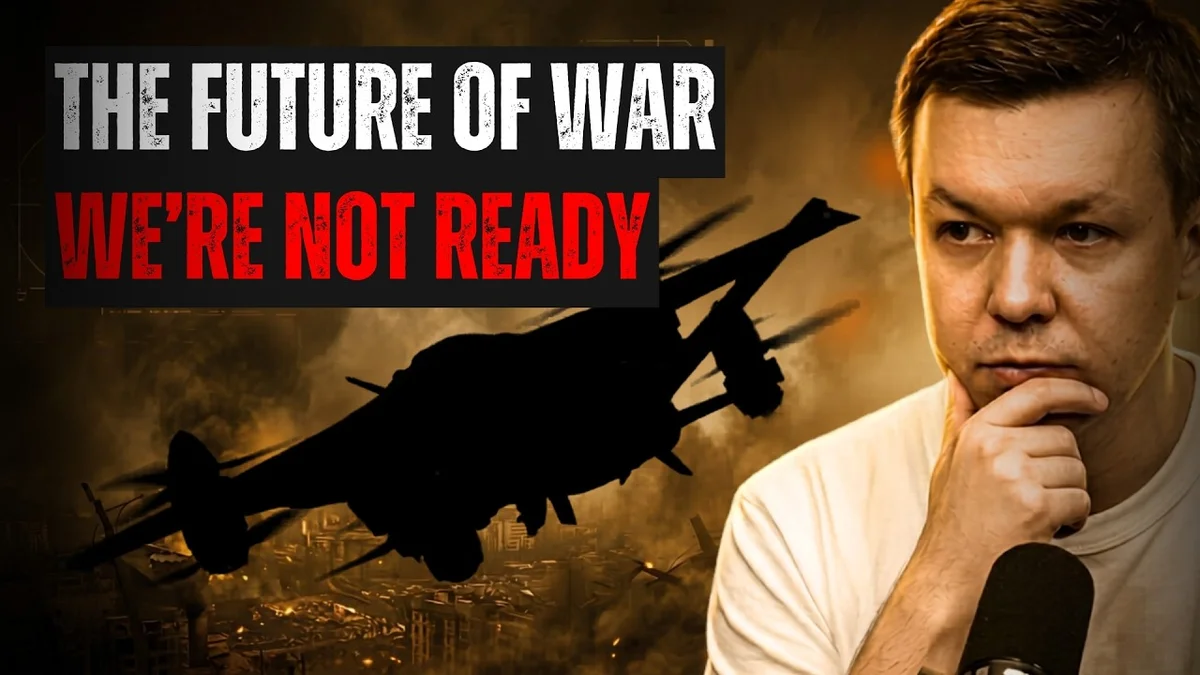
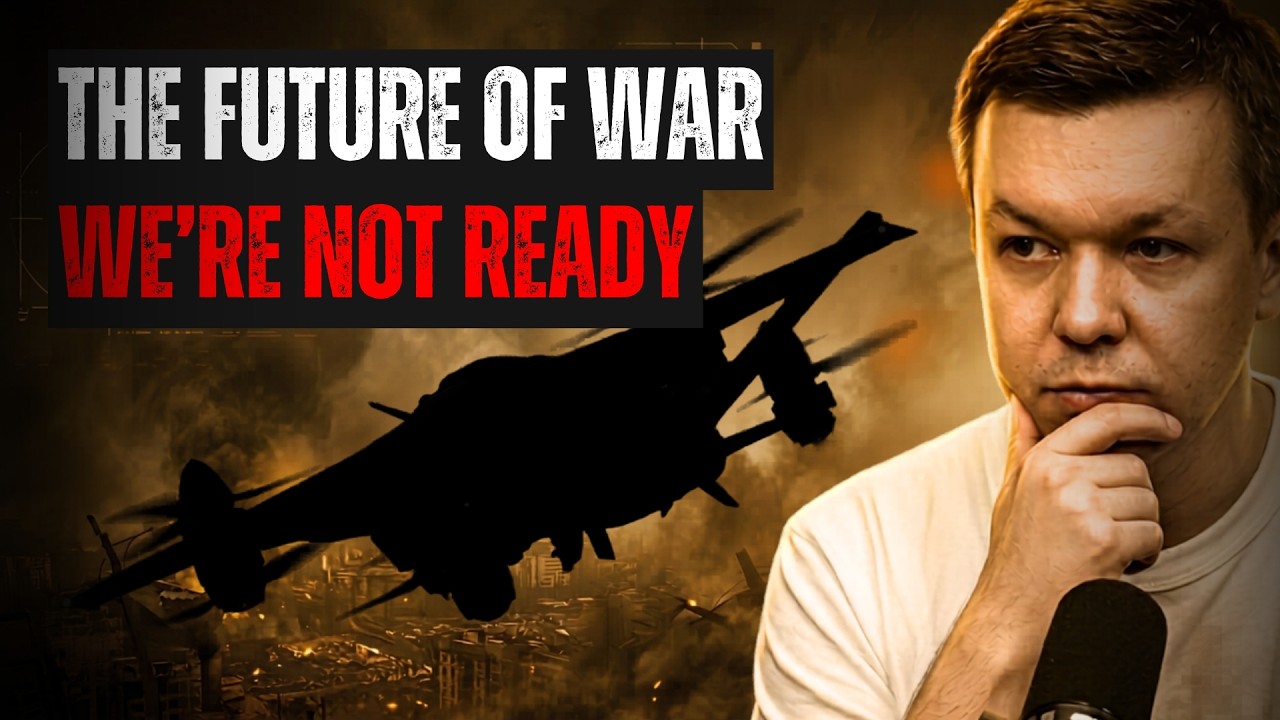
Yaroslav Azhnyuk and Noah Smith discuss AI and drone technology on Latent Space podcast.
Image credit: Latent Space· Latent Space
Visual TL;DR
Escalating AI & DronesDriver
AI and drone tech rapidly shaping modern conflicts
From the article 8 mentionsIn a sobering discussion titled "The Next War Is Already Here -- Yaroslav Azhnyuk, The Fourth Law & Noah Smith, Noahpinion," experts Yaroslav Azhnyuk, founder and CEO of The Fourth Law, and Noah Smith, writer for Noahpinion, delve into the rapidly evolving nature of modern warfare, with a particular focus on the escalating role of artificial intelligence and drone technology.
Drone RevolutionCore
FPV drones ubiquitous on battlefield, 4M produced by Ukraine
From the article 8 mentionsThe discussion highlights the sheer scale of drone production, particularly the emergence of FPV (first-person view) drones as a ubiquitous tool on the modern battlefield.
AI's Transformative RoleCore
AI enhancing capabilities from targeting to logistics
From the article 2 mentionsThis shift signifies the dramatic repurposing of technology for warfare, where AI plays a crucial role in enhancing the capabilities of these unmanned systems.
Moral ImperativeContext
Urgent need to address ethical implications of new tech
From the articleAzhnyuk articulates a powerful moral stance, stating, "That's the only morally right thing to do is to fight back.
China's Production MightDriver
Vast manufacturing capacity for drone components and systems
From the article 2 mentionsHowever, he contrasts this with China's immense production capacity, capable of manufacturing 4 billion FPV drones, underscoring the vast industrial advantage China holds in this sector.
Autonomous WarfareContext
The next frontier, raising moral and ethical questions
From the article 7 mentionsThe integration of AI allows for more sophisticated targeting, autonomous navigation, and real-time battlefield analysis, fundamentally changing how wars are fought and won.
Race for SupremacyOutcome
Nations competing for technological dominance in warfare
From the article 2 mentionsUltimately, the discussion underscores a global race for technological supremacy in the domain of AI and drone warfare.
Contents(5)

In a sobering discussion titled "The Next War Is Already Here -- Yaroslav Azhnyuk, The Fourth Law & Noah Smith, Noahpinion," experts Yaroslav Azhnyuk, founder and CEO of The Fourth Law, and Noah Smith, writer for Noahpinion, delve into the rapidly evolving nature of modern warfare, with a particular focus on the escalating role of artificial intelligence and drone technology. The conversation, hosted by Latent Space, paints a stark picture of how advancements in these fields are not just theoretical possibilities but are actively shaping contemporary conflicts.

The Next War: Drones, AI, and the Evolving Battlefield - Latent Space
The Next War: Drones, AI, and the Evolving Battlefield — from Latent Space

The Drone Revolution in Warfare

The discussion highlights the sheer scale of drone production, particularly the emergence of FPV (first-person view) drones as a ubiquitous tool on the modern battlefield. Azhnyuk points to the staggering figures for FPV drone production, noting that Ukraine alone produced 4 million FPV drones last year. However, he contrasts this with China's immense production capacity, capable of manufacturing 4 billion FPV drones, underscoring the vast industrial advantage China holds in this sector. Smith poses a critical question about China's position, asking if it can be considered the supreme conventional military power on Earth, given its manufacturing prowess in drone production and deployment.

AI's Transformative Role

Azhnyuk elaborates on the evolution from simple consumer drones to sophisticated military applications. He draws a parallel between his early work making cameras that flung treats to pets and the current development of cameras that can fling explosives to occupiers. This shift signifies the dramatic repurposing of technology for warfare, where AI plays a crucial role in enhancing the capabilities of these unmanned systems. The integration of AI allows for more sophisticated targeting, autonomous navigation, and real-time battlefield analysis, fundamentally changing how wars are fought and won.

The Moral Imperative and the Future of Conflict

The conversation touches upon the ethical dimensions of this technological arms race. Azhnyuk articulates a powerful moral stance, stating, "That's the only morally right thing to do is to fight back. And it is immoral not to fight back." This perspective highlights the defensive necessity driving innovation in these fields. He further reflects on his own journey from creating consumer products to contributing to technologies with significant military implications, noting a shift from making cameras that fling treats to pets to developing systems that can deploy explosives. The choice, he implies, becomes clear when faced with existential threats.

The Next Frontier: Autonomous Warfare

The experts discuss the increasing autonomy of these systems, noting that the ability to manufacture and deploy drones with AI capabilities at scale is a new frontier in warfare. This raises profound questions about the future of conflict, including the potential for AI to make life-or-death decisions on the battlefield. The conversation implicitly raises concerns about accountability, the risk of escalation, and the potential for unintended consequences when lethal force is delegated to autonomous systems.

A Race for Technological Supremacy

Ultimately, the discussion underscores a global race for technological supremacy in the domain of AI and drone warfare. The ability to innovate, produce, and deploy these systems at scale will likely be a defining factor in future geopolitical power dynamics. The insights shared by Azhnyuk and Smith offer a glimpse into the complex, and often unsettling, future of warfare, where the lines between consumer technology and military applications are increasingly blurred.

© 2026 StartupHub.ai. All rights reserved. Do not enter, scrape, copy, reproduce, or republish this article in whole or in part. Use as input to AI training, fine-tuning, retrieval-augmented generation, or any machine-learning system is prohibited without written license. Substantially-similar derivative works will be pursued to the fullest extent of applicable copyright, database, and computer-misuse laws. See our terms.