

The very definition of an AI "researcher" or "engineer" is undergoing a profound transformation. This evolution is not merely semantic; it reflects a fundamental shift in how groundbreaking AI is conceived, developed, and deployed.
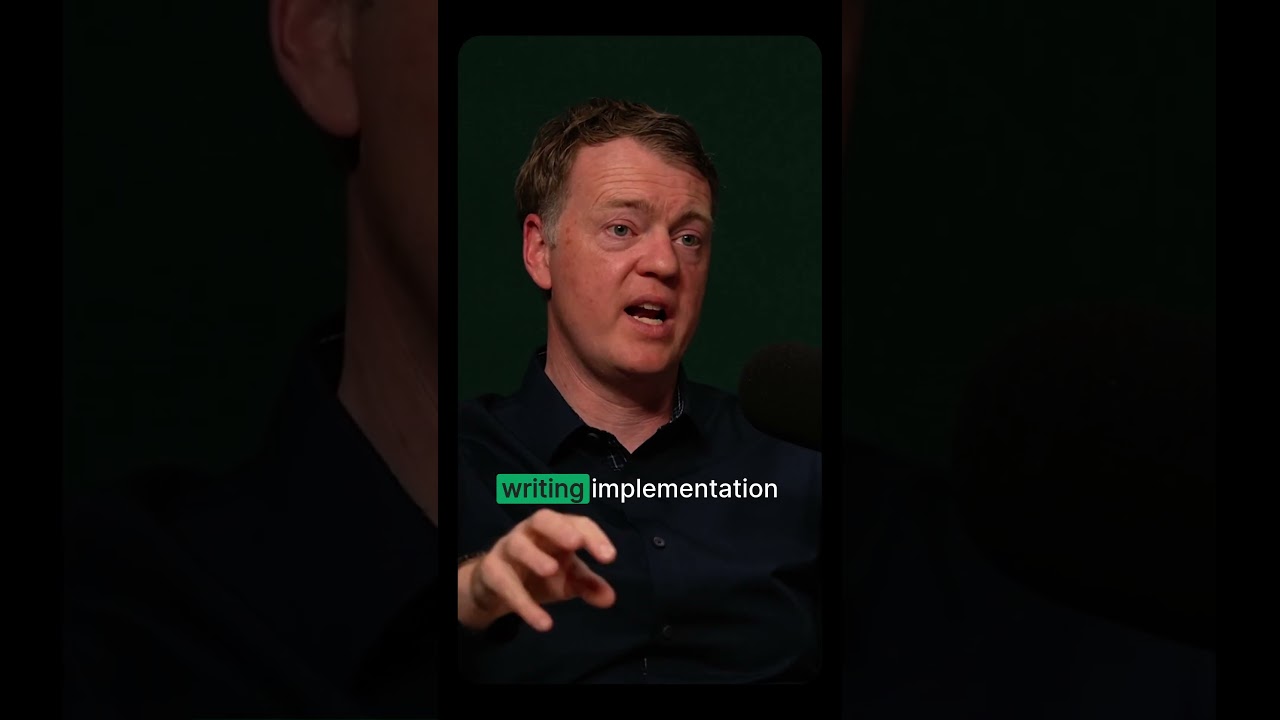
Bob McGrew, former Chief Research Officer at OpenAI, recently discussed the strategic intent behind OpenAI's distinctive job title, "Member of the Technical Staff." He explained that this nomenclature was deliberately chosen to dismantle the traditional dichotomy prevalent in many tech labs, including those from which early OpenAI talent emerged. The goal was to eliminate the artificial separation between theoretical researchers and practical implementers.
For too long, a rigid distinction existed: "whether you had a PhD and you were a researcher, or whether you were a software engineer and you did data, you did implementation." This segregation, McGrew argues, was detrimental because researchers "didn't feel like they could get their hands dirty writing data code or writing implementation code" and thus couldn't understand the "systems aspects of your research." Without direct engagement with the raw materials of their work, a deep understanding of the research's practical implications and limitations remained elusive.
Elon Musk echoed a similar sentiment in his recent address to Y Combinator's AI Startup School day.
The "Member of the Technical Staff" title fostered a culture where everyone, regardless of their primary focus, was encouraged to engage across the entire development stack. This integrated approach is exemplified by figures like Alec Radford, a key OpenAI researcher, whose genius, McGrew notes, stems from his propensity to have "looked very closely at the data" and "wrote his own data scraping code from the very beginning." True innovation in AI often emerges from this intimate engagement with the underlying data and systems.