


Serval's Jake Stauch on AI's IT Overhaul

Serval's Jake Stauch discusses rebuilding IT for the AI age, focusing on AI agents that automate workflows and provide instant, intelligent solutions.

5 min read
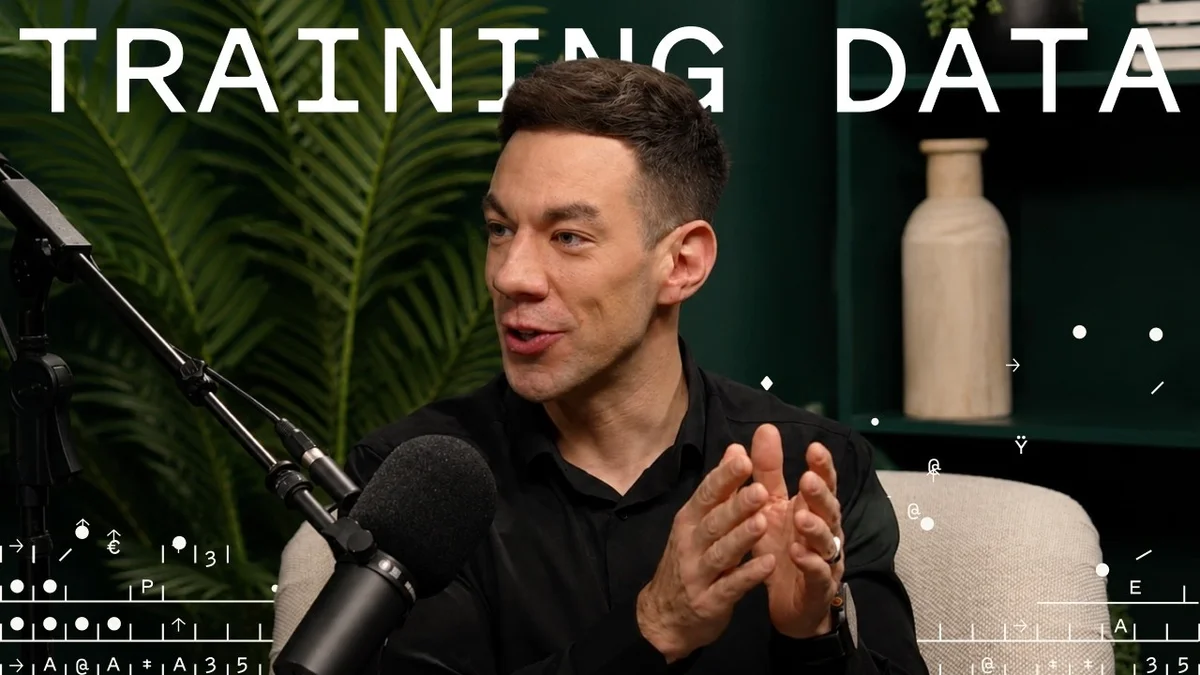
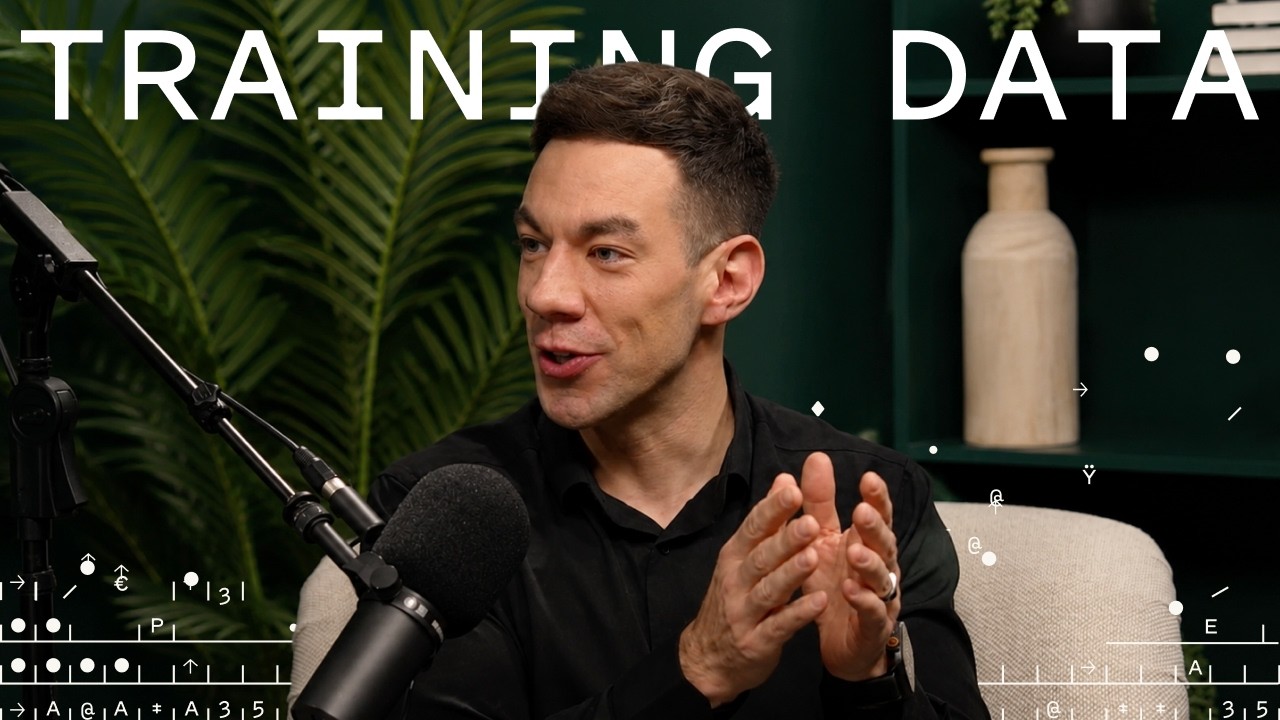
Jake Stauch and interviewer in a modern office setting discussing AI and IT.
Image credit: StartupHub.ai· Sequoia Capital
Visual TL;DR
IT InefficienciesDriver
traditional IT processes are slow and manual, hindering desired outcomes
From the articleHe notes that employees often wish for specific outcomes but struggle to achieve them due to the inefficiencies of existing systems.
AI-Native ITContext
rebuilding IT infrastructure from the ground up for the AI age
From the articleServal is focused on creating AI-native services that can automate and streamline complex IT workflows, addressing the limitations of traditional, often slow, and manual processes.
Serval's AI AgentsCore
unique architecture for intelligent automation of complex IT workflows
From the article 9+ mentionsServal's AI agents are designed to handle these requests instantly and automatically, eliminating the need for manual intervention or waiting for ticket resolution.
Automate WorkflowsEffect
AI agents streamline tasks, bridging the gap between thought and action
From the article 6 mentionsServal is focused on creating AI-native services that can automate and streamline complex IT workflows, addressing the limitations of traditional, often slow, and manual processes.
Customer-CentricityContext
integrating AI to better meet user needs and expectations
Instant SolutionsEffect
delivering on desired outcomes more effectively and intelligently
From the article 2 mentionsThis allows for highly tailored solutions without extensive development cycles.
Future of IT OpsOutcome
AI-driven operations becoming the new standard for IT
From the article 2 mentionsAs AI continues to advance, Stauch sees a future where AI plays an even more integral role in IT operations, moving beyond simple automation to more complex problem-solving and predictive maintenance.
Contents(5)

In the rapidly evolving AI landscape, IT infrastructure is being fundamentally reshaped. Jake Stauch, founder and CEO of Serval, joined a recent discussion to outline how his company is rebuilding IT from the ground up for this new AI-driven era. Serval is focused on creating AI-native services that can automate and streamline complex IT workflows, addressing the limitations of traditional, often slow, and manual processes.

Serval's Jake Stauch on AI's IT Overhaul - Sequoia Capital
Serval's Jake Stauch on AI's IT Overhaul — from Sequoia Capital

The Need for AI-Native IT

Stauch highlights a persistent gap between the idealized vision of what an IT job entails and the reality of day-to-day tasks. He notes that employees often wish for specific outcomes but struggle to achieve them due to the inefficiencies of existing systems. Serval aims to bridge this gap by providing a platform that leverages AI to deliver on these desired outcomes more effectively. "We want to be the tool that actually closes the gap between what you think your job's going to be and what your job actually is," Stauch explains.

Automating Workflows with AI

The core of Serval's approach lies in utilizing AI to automate requests and processes. Stauch draws a parallel to childhood aspirations like being a firefighter or astronaut, where the idealized vision often differs from the actual job. Similarly, in the enterprise IT world, users simply want their tasks completed, whether it's resetting a password or provisioning access. Serval's AI agents are designed to handle these requests instantly and automatically, eliminating the need for manual intervention or waiting for ticket resolution.

Serval's Unique AI Agent Architecture

A key differentiator for Serval is its approach to building AI agents. Instead of relying solely on pre-built models or manual scripting, Serval utilizes a code generation engine. Users describe the workflow they need in natural language, and Serval's engine translates this into executable code, effectively building custom automation on demand. This allows for highly tailored solutions without extensive development cycles. Stauch emphasizes, "We describe the workflow that we want, and then our system generates the code to fetch that data and keep it up to date."

This approach contrasts with older methods where building such workflows could take weeks or months, becoming obsolete by the time they were implemented due to the rapid pace of business change. Serval's ability to generate and deploy these automations almost instantly ensures that IT operations can keep pace with evolving business needs.

Customer-Centricity and AI Integration

Stauch stresses the importance of deep customer understanding in developing effective AI solutions. He notes that while many companies focus on the capabilities of AI models themselves, Serval prioritizes understanding the actual problems customers are trying to solve. "We're building a workflow engine on top of databases," he states, explaining that the focus is on the end-to-end process, not just the underlying AI model.

This customer-centric approach means Serval is constantly learning from its users and their interactions with the platform. The company tracks which AI models perform best for specific tasks and refines its own systems accordingly. This iterative process ensures that Serval remains at the forefront of AI capabilities in IT service management.

The Future of AI in IT Operations

As AI continues to advance, Stauch sees a future where AI plays an even more integral role in IT operations, moving beyond simple automation to more complex problem-solving and predictive maintenance. He envisions AI agents becoming proactive partners, anticipating issues and resolving them before they impact users. Serval's current work is laying the foundation for this future, by building systems that are adaptable, intelligent, and deeply integrated into the fabric of enterprise IT.

© 2026 StartupHub.ai. All rights reserved. Do not enter, scrape, copy, reproduce, or republish this article in whole or in part. Use as input to AI training, fine-tuning, retrieval-augmented generation, or any machine-learning system is prohibited without written license. Substantially-similar derivative works will be pursued to the fullest extent of applicable copyright, database, and computer-misuse laws. See our terms.