

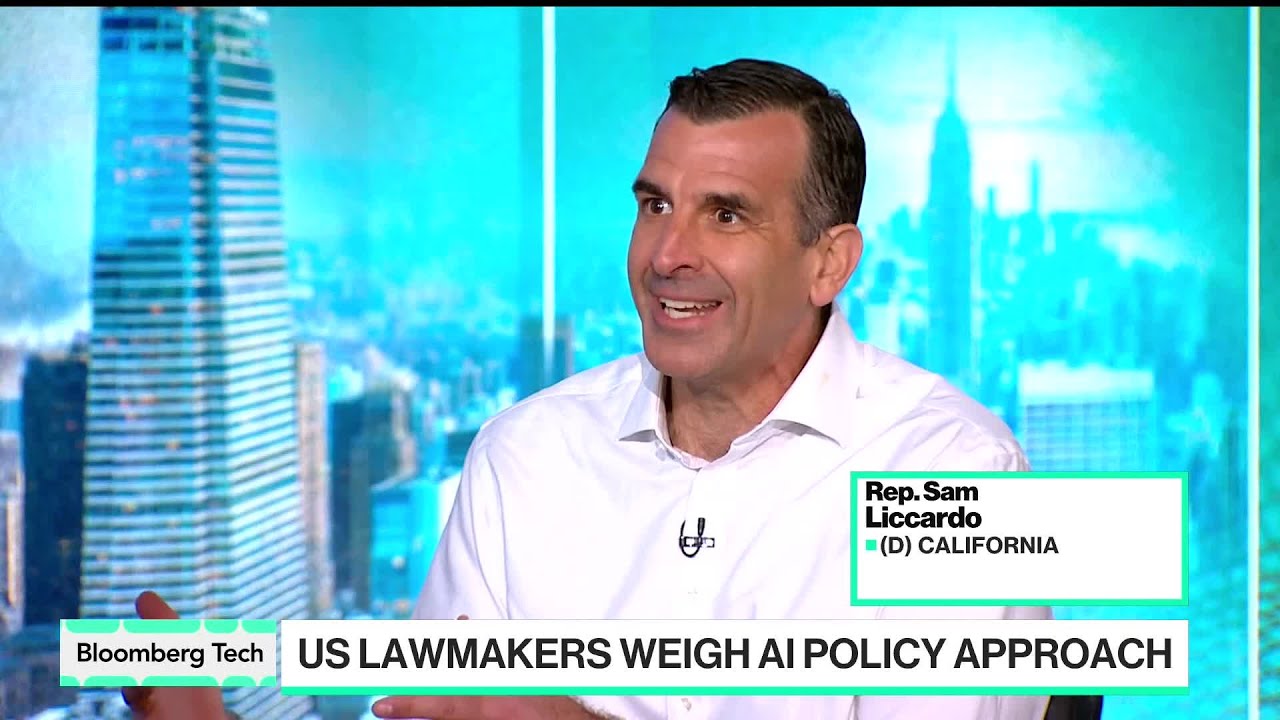
In a recent appearance on Bloomberg Tech, U.S. Representative Sam Liccardo of California highlighted the pressing need for a comprehensive and bipartisan approach to artificial intelligence regulation. Liccardo, representing Silicon Valley's 16th Congressional District, expressed concerns that the pace of AI development is outstripping the ability of lawmakers to create effective policy, leading to a regulatory void that could have significant societal consequences.
The full discussion can be found on Bloomberg Technology's YouTube channel.
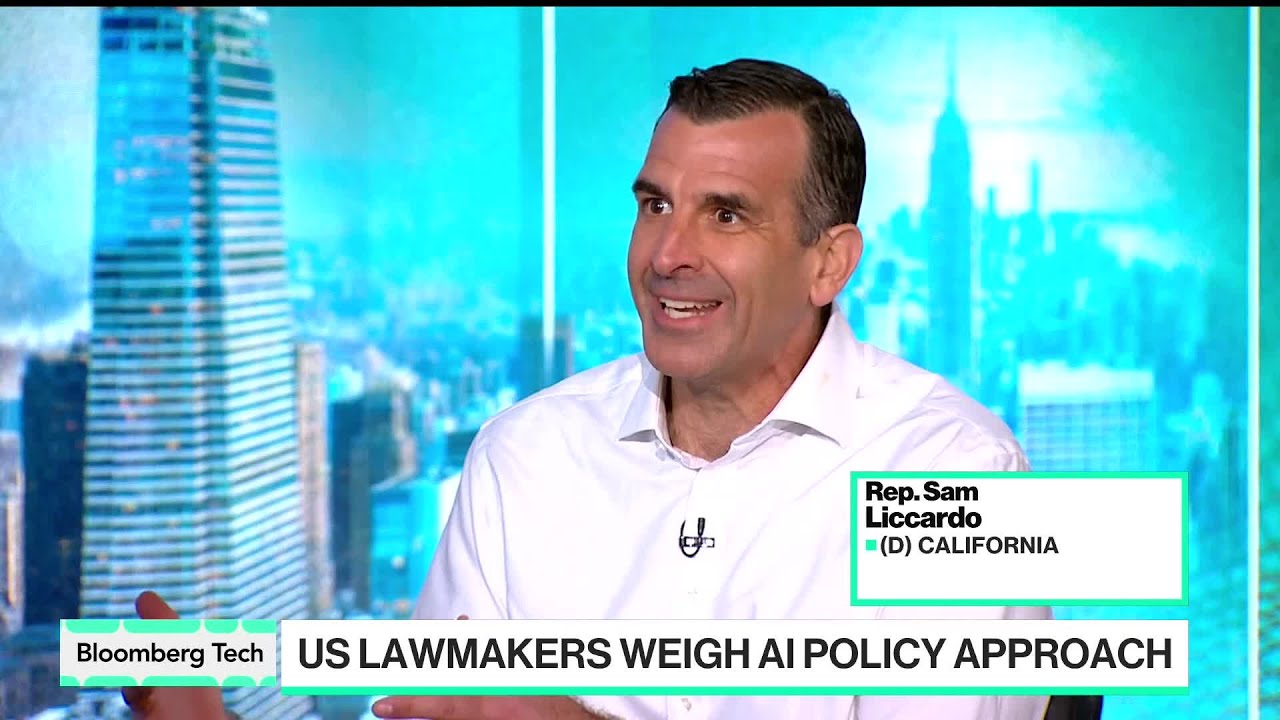
Who Is Sam Liccardo?
Sam Liccardo is a Democratic Congressman representing California's 16th Congressional District, which encompasses Silicon Valley. As a representative from the heart of the technology industry, Liccardo has a unique perspective on the challenges and opportunities presented by emerging technologies like artificial intelligence. His district's high median household income of $181,659, coupled with a highly educated and diverse population, positions him to understand the economic and social impacts of technological innovation.
The AI Policy Lag
Liccardo argued that the current legislative and executive branches are not moving at a pace commensurate with the rapid evolution of AI. He noted that while companies like OpenAI and Anthropic are making strides in AI development, the regulatory landscape has not caught up. This lag creates a vacuum where the ethical boundaries and safety measures for AI are largely being dictated by the companies themselves, rather than through a broader societal consensus shaped by democratic processes.
Liccardo stated, "The law has not yet caught up with AI's abilities." He emphasized that the lack of clear guidelines means that critical decisions about AI's impact are being made without adequate public deliberation or oversight. He further elaborated, "There are many who are cheering for the anthropomorphic step up as it has, but there's a free market here and the Defense Department has many competitors to choose from, but it seems to me that at the end of the day when we're talking about AI safeguards, these ought to be decisions that are not confined to back room negotiations between lawyers at the Pentagon and individual companies."
The Need for Bipartisan Action
The core of Liccardo's message revolved around the necessity of a unified, bipartisan approach to AI policy. He drew a parallel to past legislative efforts, such as those concerning data privacy, suggesting that a similar collaborative effort is required for AI. He expressed disappointment with the current state of affairs, stating, "I think it's very damaging to Silicon Valley and frankly to the country... Why not, rather than punishing the companies, hold these up as examples?"
Liccardo criticized the current approach, suggesting that a lack of decisive action from Congress is problematic. He believes that executive orders, while a starting point, are insufficient. "We've been waiting 30 years for a privacy bill for protections for children online, etc., etc. But the reality is this is an area where both Congress needs to act and the administration needs to act... there should be clear lines." He further elaborated on the need for legislative action, stating, "I think it's very damaging to Silicon Valley and frankly to the country. So, you know, why not, rather than punishing the companies, hold these up as examples?"
AI's Broader Societal Impact
Liccardo highlighted that AI's influence extends beyond the tech sector, impacting various aspects of society, including job markets and critical infrastructure. He pointed out concerns about job displacement and the potential for AI to exacerbate existing inequalities. He also raised alarms about the potential misuse of AI in areas like public surveillance, stating, "We know it has enormous impacts... we ought to be taking the cues from industry to be able to draw lines."
He stressed the importance of proactive policymaking, advocating for a framework that encourages responsible innovation while mitigating risks. "We don't have the kind of administration right now that is particularly bipartisan... We have to acknowledge that we're moving too fast and we need to rely on the best thinking in the industry to be able to establish what those best practices are." Liccardo's proposed legislation, the AI Production Act, aims to establish clear guidelines and prevent retaliation against companies that proactively adhere to ethical AI development standards.
The Role of Congress and Industry Collaboration
Liccardo emphasized that the government should not be left to dictate AI policy in isolation. He advocated for a collaborative approach where Congress works with industry leaders, academics, and civil society to develop sensible regulations. "We have to acknowledge that we're moving too fast and we need to rely on the best thinking in the industry to be able to establish what those best practices are," he said. He believes that by working together, policymakers can create a regulatory environment that fosters innovation while ensuring that AI is developed and deployed in a manner that benefits society as a whole.
Liccardo concluded by stating, "We need a national policy on AI." He stressed that the current fragmented approach, relying heavily on executive actions and self-regulation by tech companies, is inadequate to address the profound societal implications of artificial intelligence.


