

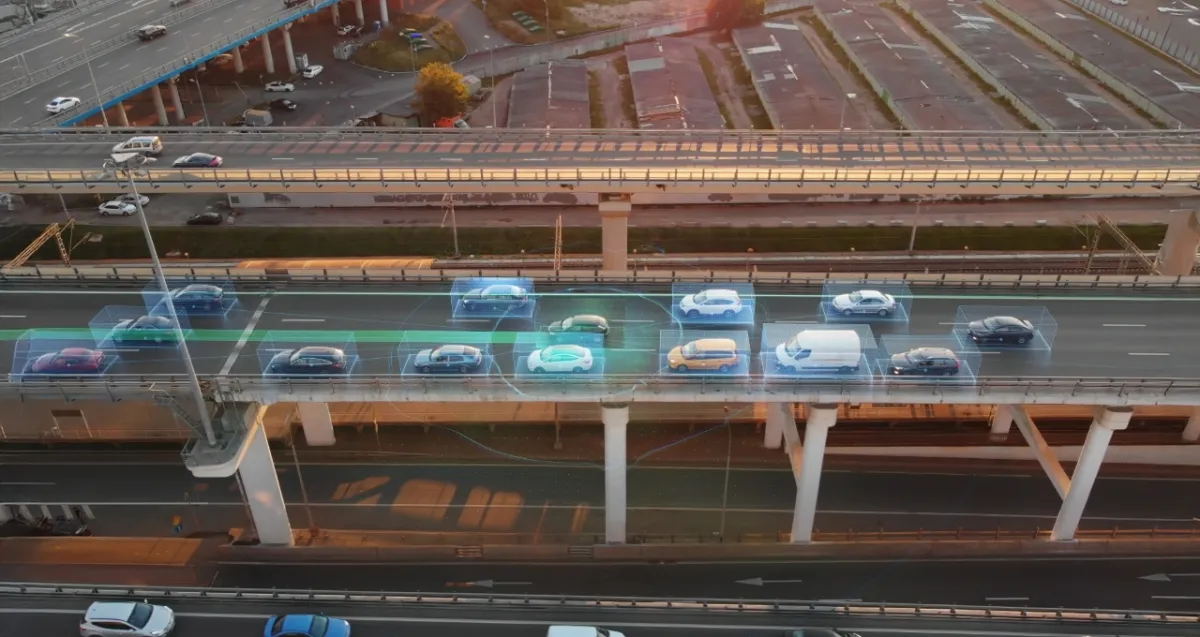
The long-anticipated arrival of Level 4 autonomous driving is no longer a distant promise but a tangible reality, propelled by unprecedented advancements in artificial intelligence. After years of incremental progress, the past three to four years have seen more breakthroughs in self-driving technology than the preceding decade combined. This rapid acceleration is fundamentally reshaping the industry's roadmap, moving high automation closer to widespread commercial viability.
This dramatic shift stems from a convergence of six critical AI breakthroughs. Traditional autonomous systems, often segmented into perception, planning, and control modules, faced inherent limitations due to information loss at each handoff. The new paradigm leverages integrated AI architectures that process complex data more holistically, enabling vehicles to navigate scenarios previously considered insurmountable without human intervention.
Foundation models, for instance, now tap into internet-scale knowledge, allowing vehicles to reason through novel situations like a mattress in the road, drawing on general world understanding rather than just proprietary fleet data. Simultaneously, end-to-end architectures process sensor inputs directly into driving decisions, maintaining crucial context throughout the entire decision-making process. This integration significantly reduces engineering complexity while enhancing the robustness of autonomous decisions.
The AI Engine Driving Autonomy
Reasoning vision language action (VLA) models further elevate reliability by integrating diverse perceptual inputs with language understanding and step-by-step reasoning. This enables systems to break down complex situations, evaluate multiple outcomes, and make explainable decisions, mirroring human cognitive processes. Such transparency is vital for real-time safety monitoring and post-incident debugging, fostering both performance and user trust. According to the announcement, the sheer scale of testing required for Level 4 autonomy is now feasible thanks to advanced simulation technologies. Neural reconstruction and world models generate unlimited novel scenarios, allowing developers to test driving policies in diverse conditions, from varied weather to unexpected obstacles, at a pace impossible with physical testing alone.
These sophisticated AI systems demand immense computational power, a challenge met by purpose-built platforms designed for current and future AI workloads. Crucially, safety remains foundational for Level 4 autonomy, distinguishing it from lower automation levels. Recent advances in physical AI safety introduce comprehensive guardrails at design, deployment, and validation stages, ensuring trustworthy operation. This layered approach, integrating diverse modular stacks with end-to-end models, is paramount for safe, scalable deployment.