

Kirobo, a decentralized platform for Layer 2 blockchain application development, is developing a new infrastructure that aims to make the development of Web3 solutions more streamlined, cost-effective, and democratized.
Smart Contracts are the building blocks of any Web3 project, with 1.5 million created in the first quarter of 2022 on Ethereum alone. But creating a smart contract takes four months on average and even more time to audit, write, deploy and build the UI, with a total cost of around $250,000. And while users can interact with the protocol, only developers have the ability to build new features, which necessitate once more going through all the steps required to use a smart contract, from writing to deployment. This creates a scalability issue for DeFi, and raises development costs.
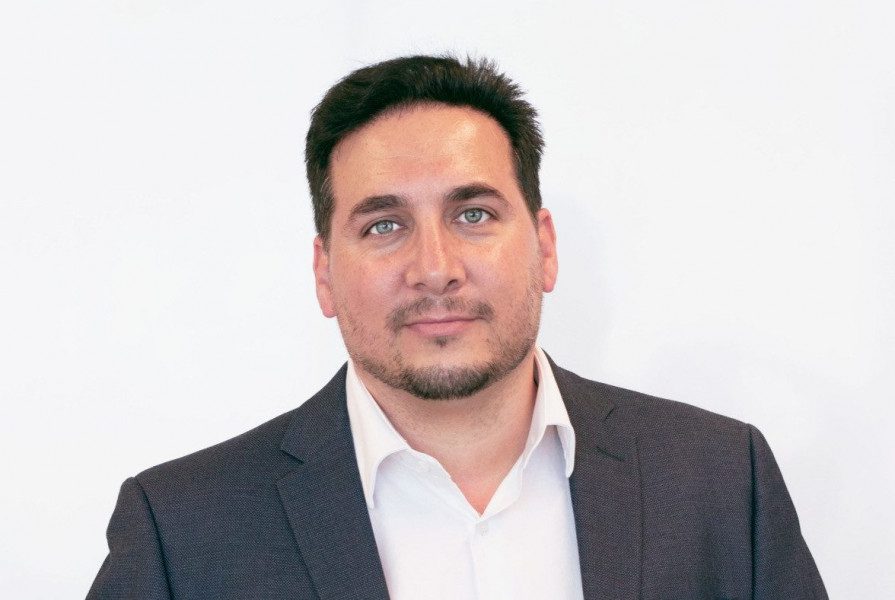
Asaf Naim, Kirobo’s CEO and co-founder, while working as an accountant, was asked by clients to assist with cryptocurrency tax issues. Naim identified a problem with clients losing money after transferring crypto to the account, or losing their seed phrase, a list of 12 to 24 words that can be used to access funds in a crypto wallet. That’s how Kirobo came to be, creating the first “undo” button for crypto transactions, and the “inheritance” feature, which protects users from their inability to access their wallets and losing their money forever.
In the process of creating these products to answer the needs of the DeFi ecosystem, the Kirobo team discovered they had created a new technology, which they named Future Conditional Transactions (Smart Transactions). This feature serves as the foundation of an infrastructure that aims to make the development of Web3 solutions more streamlined, cost-effective, and democratized.
With a simple drag-and-drop interface, and without the need to perform an audit, users can create a smart transaction that consists of conditions, limitations, and variables with capabilities that exceed a smart contract. Kirobo’s feature tool also allows developers to quickly create a mega transaction that is straightforward and scalable, a task that would have previously taken months.