

IBM Expert: Quantum Computing Threat to Crypto is Real

IBM Distinguished Engineer Jeff Crume warns that quantum computers will break current encryption by 2030-2035, urging immediate migration to quantum-resistant cryptography.

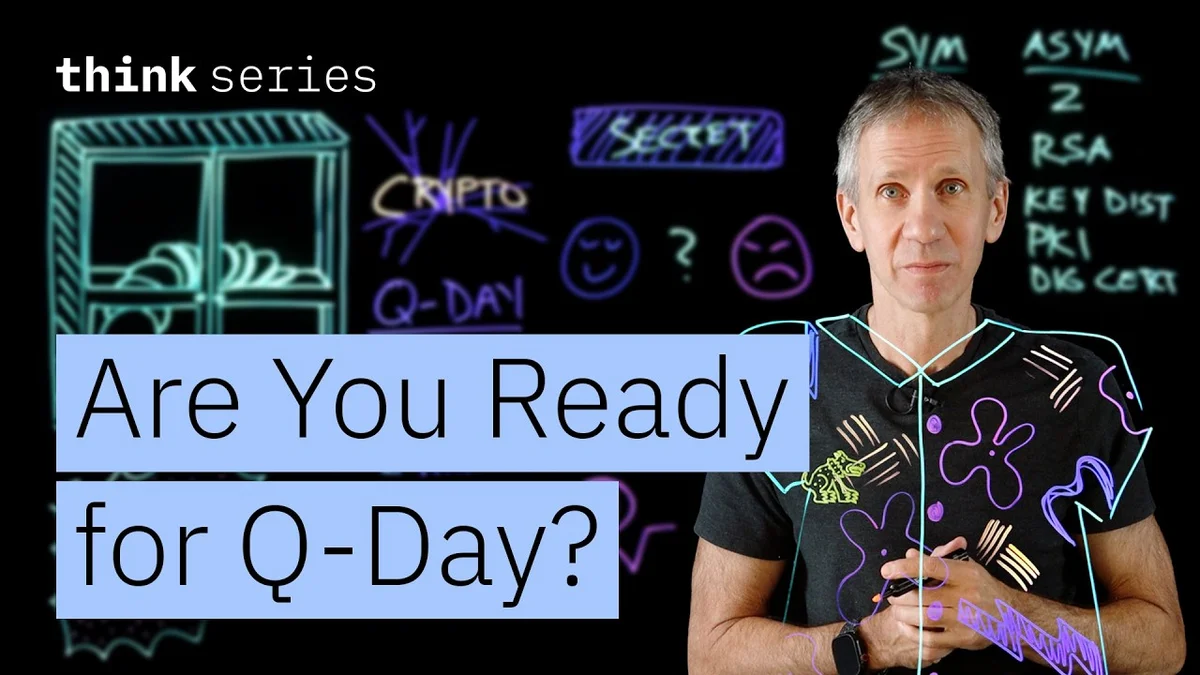
Jeff Crume, IBM Distinguished Engineer, explains the quantum computing threat to cryptography.
Image credit: IBM Think Series· IBM

Jeff Crume, a Distinguished Engineer at IBM, issued a stark warning to the tech and finance sectors about the looming threat of quantum computing to current encryption methods. In a recent video, Crume explained the concept of 'Q-Day' – the day when quantum computers will become powerful enough to break the cryptographic algorithms that protect much of our digital data, including sensitive financial information and cryptocurrencies.

Understanding Q-Day

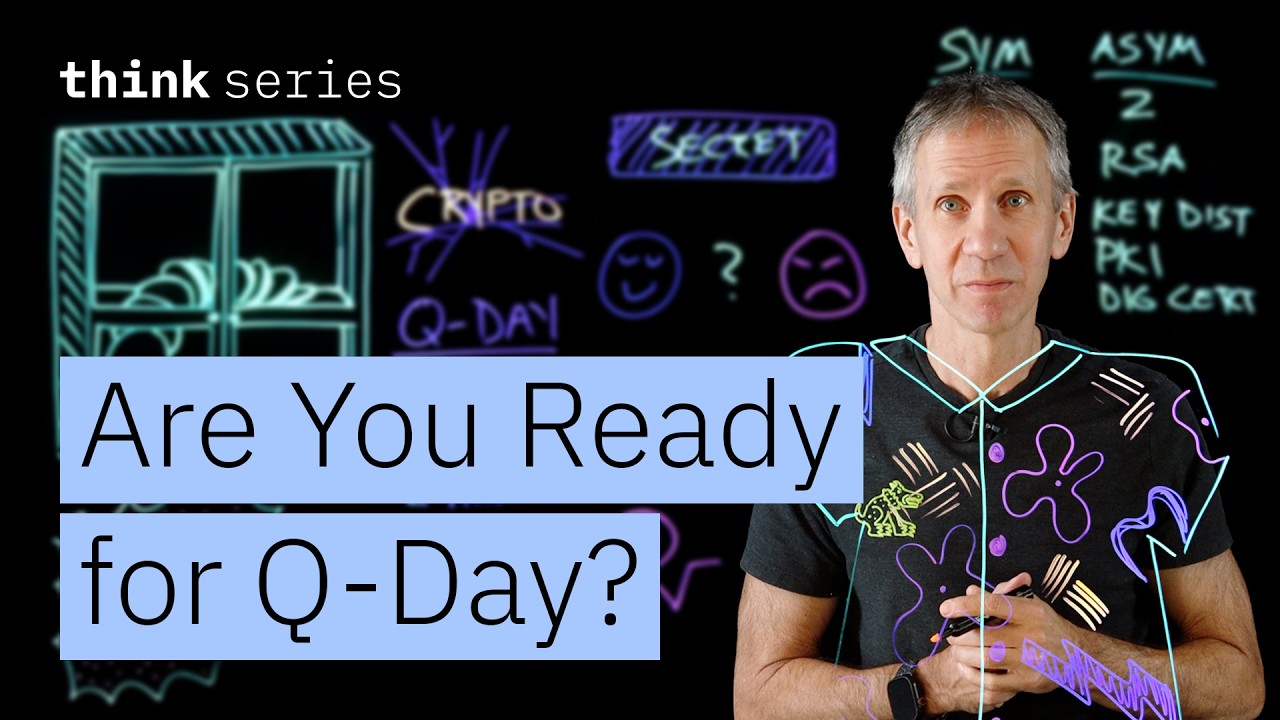
Crume likened the impending threat to a cabinet of dishes waiting to fall. He clarified that it's not a question of 'if' but 'when' this will happen. For those in the quantum computing field, this day is known as 'Q-Day'. The implications are profound: once a quantum computer can break classical cryptography, it will render current security measures obsolete.

He elaborated on the two main types of cryptographic ciphers: symmetric and asymmetric. Symmetric encryption, like AES (Advanced Encryption Standard), uses a single key for both encryption and decryption and is known for its speed in processing large amounts of data. Asymmetric encryption, such as RSA (Rivest–Shamir–Adleman), uses a pair of keys – a public key for encryption and a private key for decryption – and is crucial for key distribution and digital signatures.

The full discussion can be found on IBM's YouTube channel.
Q‑Day Explained: How Quantum Computing Threatens Today’s Cryptography - IBM
Q‑Day Explained: How Quantum Computing Threatens Today’s Cryptography — from IBM

Crume highlighted that while symmetric encryption like AES is relatively fast, its security can be enhanced by doubling the key size to 256 bits. However, asymmetric encryption methods like RSA and Shor's algorithm (which can break RSA) are far more vulnerable to quantum attacks. He noted that the transition to quantum-resistant cryptography is essential, as current systems will be susceptible to decryption by future quantum computers.

The Urgency of Migration

Crume emphasized the critical need for organizations to begin preparing for this transition now. He projected that Q-Day could arrive within the next 5 to 10 years, between 2030 and 2035. This timeframe is based on current research trends and the ongoing development of quantum computing capabilities.

The migration process itself is complex and costly. Organizations will need to update their cryptographic infrastructure, which involves replacing vulnerable algorithms with new, quantum-resistant ones. This transition will require significant time, resources, and expertise, making early planning crucial.

Crume warned that delaying this transition could have severe consequences. If an organization's encrypted data is captured today and remains unreadable until a quantum computer can break it, that data will be compromised in the future. This is particularly concerning for sensitive information like personal health records, financial data, and proprietary intellectual property.

The 'Harvest Now, Decrypt Later' Threat

He introduced the concept of 'Harvest Now, Decrypt Later' (HNDL), where adversaries can collect encrypted data today, knowing they will be able to decrypt it once sufficiently powerful quantum computers are available. This threat makes the need for immediate action even more pressing. Crume illustrated this with an analogy of a cabinet with dishes precariously balanced; once the door opens, all the dishes will fall. Similarly, once Q-Day arrives, all unmigrated cryptographic systems will be vulnerable.

Crume stressed that the transition to quantum-resistant cryptography is not a simple software update but a fundamental shift in how data is secured. He advised organizations to start assessing their cryptographic inventory, identifying vulnerable systems, and developing a phased migration plan. The cost of inaction, he suggested, would far outweigh the cost of early preparation.

The message from IBM's expert is clear: the quantum computing threat to cybersecurity is real and imminent. Proactive planning and migration to quantum-resistant cryptographic solutions are essential to ensure long-term data security and protect against future threats.

© 2026 StartupHub.ai. All rights reserved. Do not enter, scrape, copy, reproduce, or republish this article in whole or in part. Use as input to AI training, fine-tuning, retrieval-augmented generation, or any machine-learning system is prohibited without written license. Substantially-similar derivative works will be pursued to the fullest extent of applicable copyright, database, and computer-misuse laws. See our terms.