


The a16z podcast, hosted by Erik Torenberg, recently featured a fascinating discussion with co-founder Marc Andreessen and General Partner Katherine Boyle on how cinema illuminates the American cultural psyche. The episode, "Marc Andreessen: How Movies Explain America," delved into iconic films like *Once Upon a Time in Hollywood*, *Tropic Thunder*, and *Fight Club*, using them as lenses through which to analyze pivotal moments in U.S. history and their enduring impact. The conversation was not merely a film critique but a sharp analysis of societal shifts, technological influence, and the perpetual American quest for identity.
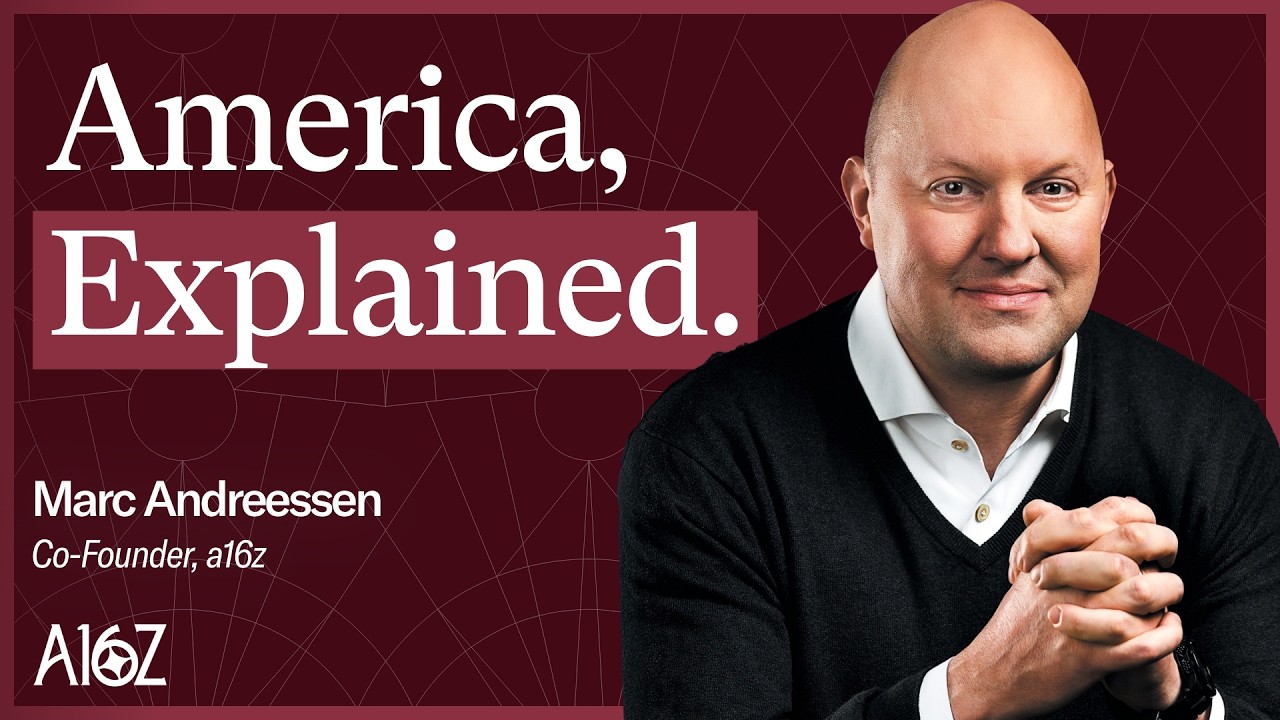
One of the core insights of the discussion centered on Los Angeles itself as the "archetypal American city," a place built on the "ultimate fake it till you make it" ethos. Andreessen elaborated on the city's origins, highlighting how it was literally carved out of the desert through ambitious land development and deceptive advertising in Eastern newspapers. Early advertisements, devoid of photography, depicted lush orchards and palm trees, luring unsuspecting buyers to what was, in reality, "blasted out desert." This foundational act of creation through illusion, as Andreessen notes, makes Los Angeles a perfect microcosm for understanding America's self-reinvention and aspirational identity.
The conversation pivoted to Quentin Tarantino's *Once Upon a Time in Hollywood*, which Andreessen considers a top film for understanding America. He posits that the film "captures a time and place that was absolutely critical to the evolution of modern America," specifically 1969, the year the counterculture's idealism collided with stark reality. Boyle added that the film's initial announcement, focusing on the Manson murders, sparked a collective dread among those familiar with Tarantino's violent cinematic style. However, the film ultimately subverts expectations, offering a revisionist history where the innocence of the era is preserved, a "revenge fantasy of what could have happened." This alternate ending, where the Manson Family's murderous rampage is thwarted, serves as a poignant reflection on the cultural pivot point of the late 1960s, an era that began with a "glorious, wonderful thing" of artistic and social liberation, only to descend into a "long slide into the '70s" marked by drugs, economic recession, and political division.
The podcast skillfully drew parallels between the counterculture of the 1960s and the internet culture wars of the 2010s, suggesting a cyclical nature to America's cultural resets. Andreessen highlighted the "incredible explosion of art, culture, creativity, social innovation" during the 60s, driven by the baby boomers coming of age. This period saw the rise of the hippie movement, modern rock and roll, and significant strides in civil rights and feminism. However, this wave of positivity was abruptly halted by the Manson murders in 1969. The shocking brutality of these events, particularly the murder of Sharon Tate, shattered the illusion of a utopian counterculture, revealing its "dark side."
This historical context provides a crucial backdrop for understanding the film's genius. Boyle underscored Tarantino's clever use of an "Easter egg" early in the film, a flamethrower from another of his revenge fantasies, *Inglourious Basterds*, signaling to his fans that this film too would offer a cathartic, albeit fictionalized, retribution. The ending of *Once Upon a Time in Hollywood* is not just a triumph for the protagonists but a symbolic restoration of a lost American innocence, a fantasy of what might have been if the darkness had been repelled. The audience's "extreme laughter" during the film's most violent sequence, as Boyle observed, speaks to a collective desire for this historical rectification, a shared relief in seeing justice, however fictional, delivered.